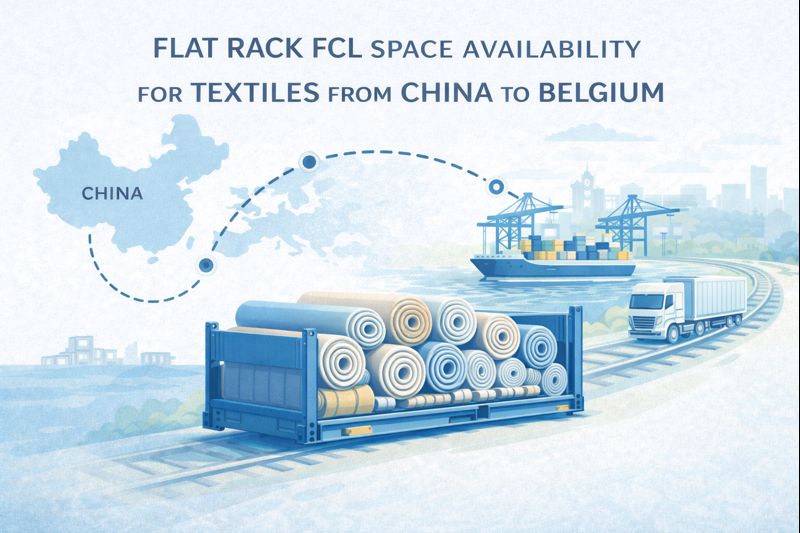
When exporters face oversized or irregular textile cargo, Flat Rack FCL space availability for textiles from China to Belgium quickly becomes a critical planning challenge. Therefore, understanding how carriers allocate flat rack capacity helps avoid delays and cost spikes. With the right booking strategy and partner support from Top China Freight, shippers can secure stable space and keep European textile supply chains moving.
What makes flat rack FCL essential for textile shipments?
Although many textiles fit standard containers, certain textile cargo requires flat rack FCL solutions. For example, oversized rolls, industrial fabrics, coated materials, or textile machinery often exceed standard container dimensions.
Flat rack containers provide open sides and reinforced bases. As a result, they allow flexible loading and safer securing of wide or heavy textile units. Consequently, exporters handling industrial or technical textiles frequently rely on flat rack FCL instead of conventional containers.
Why is flat rack FCL space availability limited?
Unlike standard dry containers, flat rack equipment exists in smaller global quantities. Moreover, carriers allocate limited slots per vessel due to weight distribution and lashing requirements.
Key reasons for limited availability include:
Fewer flat rack units in circulation
Strict vessel stability rules
Higher handling complexity at ports
Priority given to project or machinery cargo
Therefore, textile shippers often compete with construction, energy, and manufacturing cargo for the same flat rack space.
How does inland planning in Belgium affect availability decisions?
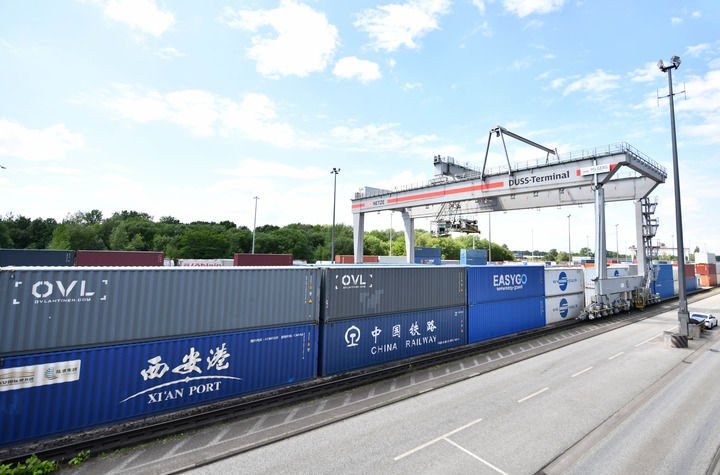
Although ocean space remains the main constraint, inland logistics also influence flat rack planning. Belgian ports require pre-arranged trucking or rail due to terminal handling schedules.
By coordinating inland delivery early, shippers reduce container dwell time and improve carrier confidence in accepting flat rack bookings. Integrated planning with sea freight services further supports smoother execution across the China–Belgium route.
Flat rack FCL vs standard FCL for textile cargo
Container Type
Space Flexibility
Cost Level
Best Textile Use Case
Standard FCL
Limited
Lower
Boxed or palletized textiles
Flat Rack FCL
High
Medium–High
Oversized rolls, industrial fabrics
Open Top FCL
Medium
Medium
Tall textile machinery
While standard FCL suits most apparel shipments, flat rack FCL remains essential for specialized textile cargo that cannot be compressed or boxed.
By booking three weeks in advance and selecting a sailing with confirmed flat rack acceptance, the exporter avoided peak congestion and achieved on-time delivery for EU distribution.
By selecting a non-peak sailing and pre-booking inland trucking, the exporter avoided rollovers and reduced terminal dwell time, ensuring stable supply for EU manufacturing.
Flat rack FCL vs alternative solutions during space shortages
When flat rack availability tightens, some shippers explore alternatives. However, each option involves trade-offs.
Option
Space Reliability
Cost Impact
Operational Risk
Flat Rack FCL
High (with early booking)
Medium–High
Low
Open Top FCL
Medium
Medium
Medium
LCL Breakbulk
Low
Variable
High
Although alternatives exist, flat rack FCL remains the most controlled solution for oversized textile cargo, especially when product integrity matters.
How does customs readiness influence flat rack dwell time?
Even when space is secured, delays can still occur after arrival. Therefore, customs readiness plays a key role in keeping flat rack containers moving.
Textile cargo entering the EU must meet import compliance requirements, including product descriptions and origin declarations. When clearance documents are pre-filed through professional customs brokerage services, flat rack containers clear terminals faster and avoid costly demurrage.
How can integrated logistics reduce flat rack risk?
Integrated logistics planning reduces risk across booking, transit, and delivery stages. By combining ocean transport with inland coordination and scheduling, shippers minimize gaps between handoffs.
For example, exporters using structured FCL and LCL services gain access to coordinated booking strategies and inland planning. As a result, flat rack containers move faster from vessel discharge to final delivery.
Conclusion
Flat Rack FCL space availability for textiles from China to Belgium depends on early planning, accurate documentation, and flexible routing. By understanding carrier allocation rules and peak-season dynamics, exporters can turn limited flat rack capacity into a manageable variable rather than a bottleneck.
Request A Free Quote
Start shipping smarter with TopChinaForwarder today! 🚢✨ Request a Free Quote 📝 and get a tailored logistics plan built around your cargo and timeline.