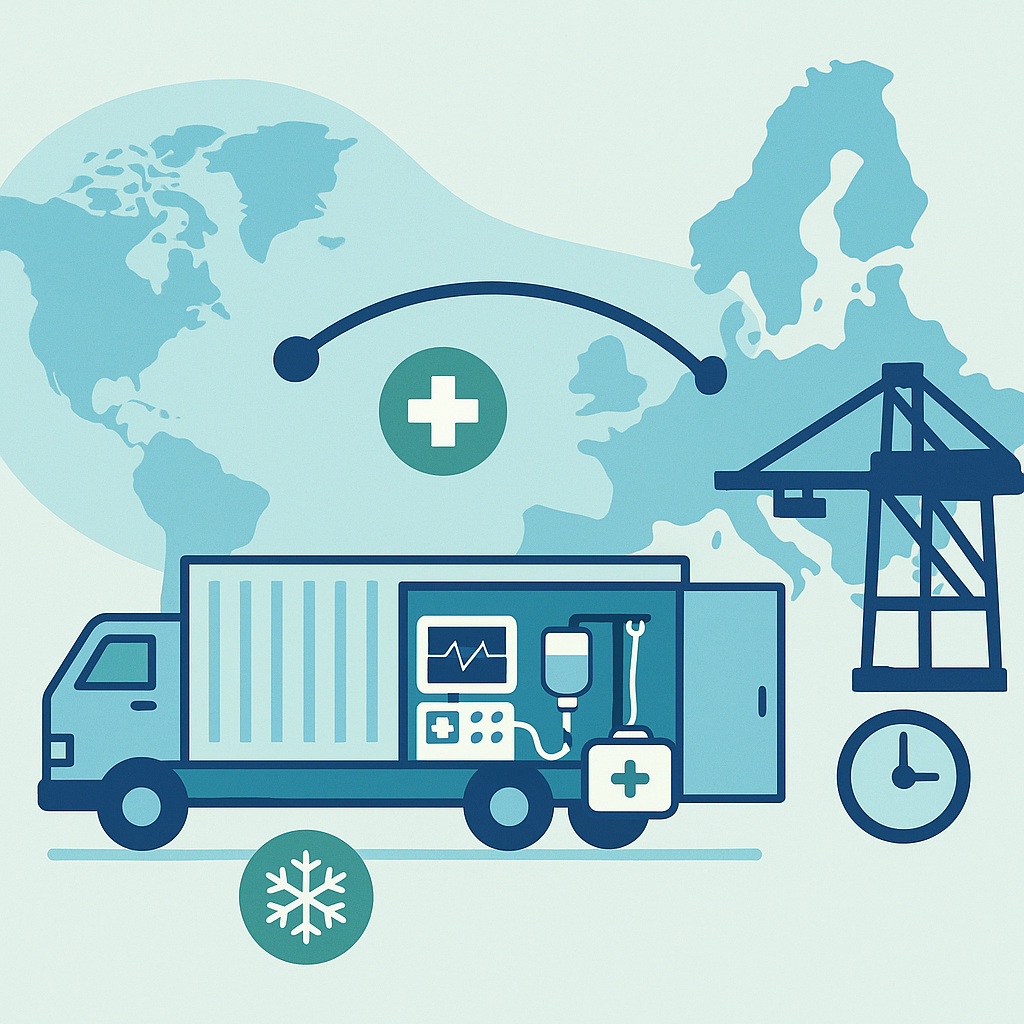
When shipping temperature-sensitive medical equipment, reefer FCL detention prevention for medical equipment from China to Sweden becomes a mission-critical concern rather than a minor operational detail. However, port congestion, customs inspections, and cold-chain compliance gaps often trigger unexpected detention charges. Therefore, this guide explains how importers can anticipate risk points, control container release timelines, and maintain delivery schedules—while leveraging the experience of partners like Top China Freight to stabilize complex reefer movements.
What Causes Reefer FCL Detention in Medical Equipment Shipments?
Reefer container detention occurs when containers remain at ports or terminals beyond the free time allowed. For medical equipment, detention risk increases because shipments often face stricter inspection and documentation requirements.
Moreover, reefer units require power connection and priority handling. When ports experience congestion or equipment shortages, delays escalate quickly. Consequently, understanding root causes is the first step toward effective prevention.
Why Is Medical Equipment More Vulnerable to Detention Risks?
Medical equipment shipments face unique regulatory and operational pressure. Unlike general cargo, these products often require import licenses, conformity assessments, or special declarations.
In addition, cold chain compliance for medical equipment shipping demands uninterrupted temperature control. Any delay at the terminal not only increases detention costs but also raises the risk of product degradation. As a result, detention prevention directly protects both financial and clinical outcomes.
How Does Customs Clearance Affect Reefer FCL Detention?
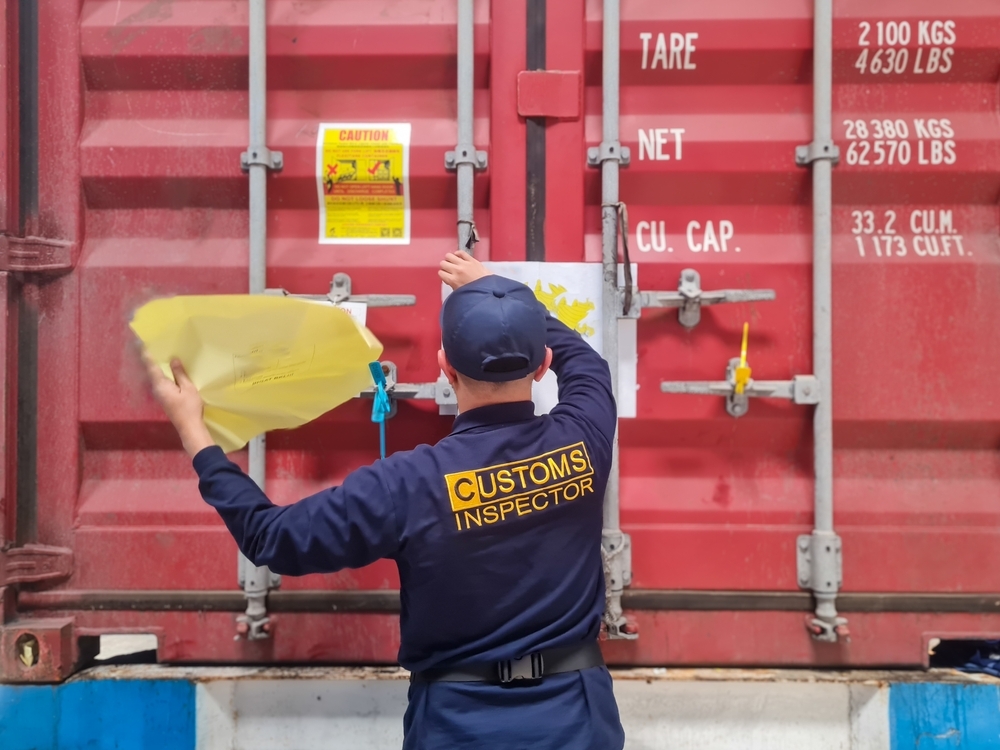
Customs clearance remains one of the most common detention triggers. Medical equipment entering Sweden often undergoes documentation review to ensure compliance with EU medical regulations.
Even minor inconsistencies can extend clearance timelines. Therefore, aligning shipping data with regulatory requirements through professional customs brokerage services significantly reduces detention risk.
Which Sweden Ports Present the Highest Detention Risk?
Although Sweden maintains efficient port infrastructure, detention risk still varies by gateway.
Sweden Port
Detention Risk Level
Key Considerations
Gothenburg
Moderate
High reefer volume, strict appointment rules
Stockholm
Low to Moderate
Limited reefer plugs
Malmö
Moderate
Transshipment dependencies
Because appointment systems and terminal rules differ, pre-planning container release becomes essential for avoiding unnecessary dwell time.
Case Studies
Diagnostic Equipment from Shanghai to Gothenburg
Shipment details:
Cargo: Diagnostic imaging components
Volume: 1 × reefer FCL
Route: Shanghai → Gothenburg
Outcome: Pre-submitted customs documentation and early truck appointment booking allowed container pickup within free time. As a result, the importer avoided detention charges despite moderate port congestion.
Laboratory Devices from Shenzhen to Malmö
Shipment details:
Cargo: Laboratory testing equipment
Volume: 1 × reefer FCL
Route: Shenzhen → EU hub → Malmö
Outcome: Although transshipment added complexity, coordinated inland delivery and temperature monitoring ensured timely container release. Consequently, detention costs were fully avoided.
How Do Detention Costs Escalate for Reefer Containers?
Detention charges escalate rapidly for reefer containers because power supply, monitoring, and priority handling add cost layers.
Detention Duration
Typical Cost Impact
Operational Risk
1–3 days
Moderate
Manageable
4–7 days
High
Temperature risk increases
Over 7 days
Severe
Cargo integrity threatened
Because medical equipment tolerates little delay, proactive detention prevention often saves more than it costs.
Should Importers Use Door-to-Door Reefer Solutions?
Door-to-door planning consolidates responsibility across ocean freight, customs clearance, and inland delivery. Instead of managing multiple parties, importers gain a single execution timeline.
For medical equipment, this integration reduces handover delays and miscommunication. Many companies rely on structured door-to-door transport to minimize detention risk at Swedish ports while maintaining cold chain integrity.
Can Route Design Help Prevent Reefer Detention?
Route design influences not only transit time but also terminal congestion exposure. Routes with fewer transshipment ports generally reduce dwell time and container handling.
As a result, many importers favor stable Northern Europe gateways with predictable feeder schedules to Sweden. This approach supports consistent container release and lowers detention probability.
Conclusion
Lorem ipsum dolor sit amet, consectetur adipiscing elit. Ut elit tellus, luctus nec ullamcorper mattis, pulvinar dapibus leo.
Request A Free Quote
Start shipping smarter with TopChinaForwarder today! 🚢✨ Request a Free Quote 📝 and get a tailored logistics plan built around your cargo and timeline.