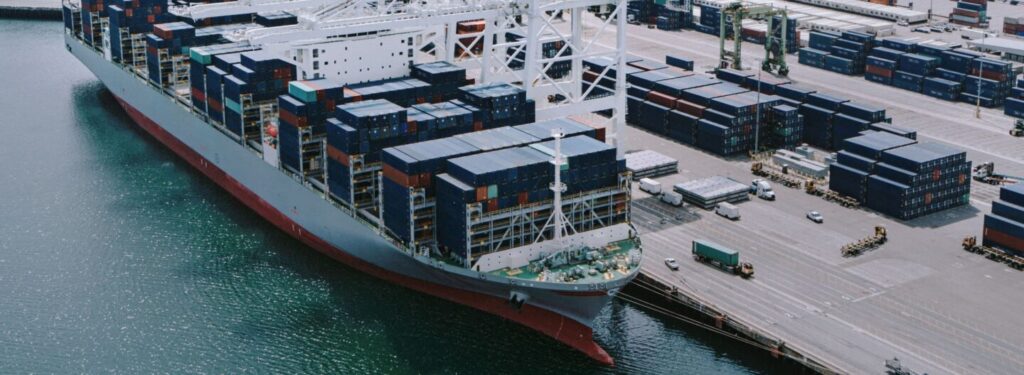
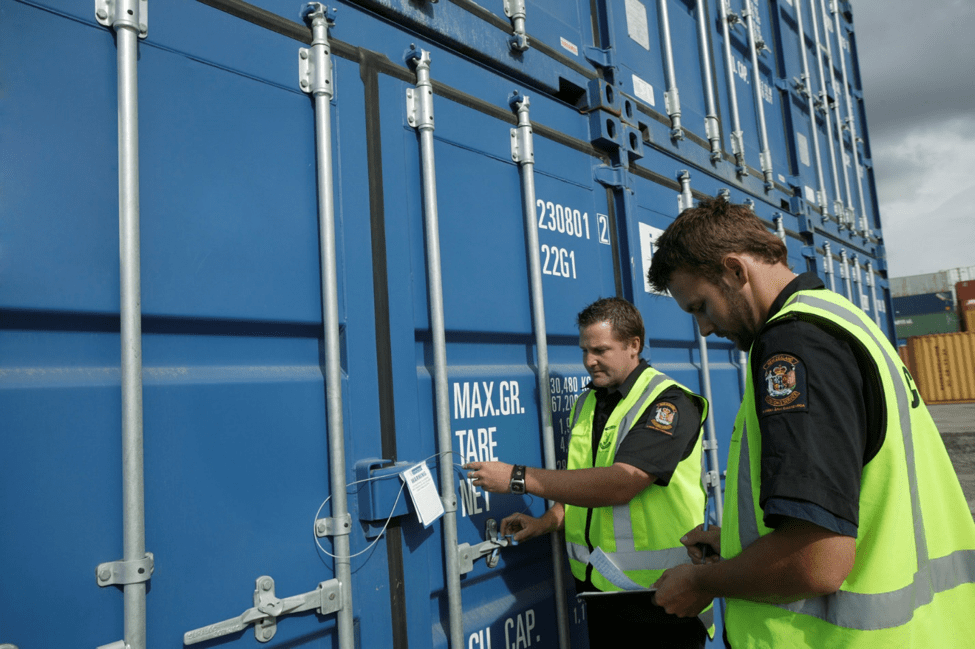
When exporters move fragile and high-value lighting products, 40HQ FCL insurance for lighting from China to Ireland becomes a critical safeguard rather than an optional add-on. However, because lighting cargo faces risks such as moisture damage, handling shocks, and transit delays, choosing the right coverage can feel complex. Therefore, this guide explains insurance types, cost considerations, and real-world risk scenarios—while showing how experienced partners like Top China Freight help importers align insurance with shipping strategy.
What Does 40HQ FCL Insurance Cover for Lighting Shipments?
To start, 40HQ FCL insurance protects cargo loaded into a high-cube container against physical loss or damage during international transport. For lighting products, this coverage often extends beyond obvious accidents to include hidden risks.
Typically, policies address scenarios such as water ingress, rough handling, container accidents, and theft. Moreover, when lighting fixtures contain delicate components or glass elements, insurance becomes essential to offset replacement and project delay costs.
Why Is Insurance Especially Important for Lighting Cargo?
Lighting products often combine fragile materials with high unit value. As a result, even small incidents can generate disproportionate financial loss.
Additionally, lighting shipments frequently involve mixed SKUs and customized designs. Therefore, partial damage may still render an entire project unusable. By securing appropriate FCL cargo insurance, importers strengthen supply chain resilience and protect cash flow during long transit periods.
How Do Shipping Routes Influence Insurance Risk?
Route selection influences insurance exposure more than many shippers realize. Longer routes, multiple transshipment points, and congested ports increase handling frequency and risk.
Therefore, aligning insurance planning with reliable sea freight services reduces claim likelihood. Stable sailing schedules and fewer handovers often lead to smoother insurance outcomes and fewer disputes.
How Does All-Risk Insurance Differ from Basic Coverage?
Although basic coverage may appear cost-effective, it usually protects against limited events only. In contrast, all-risk insurance for FCL lighting cargo offers broader protection.
Insurance Type
Coverage Scope
Suitable for Lighting
Basic (Named Perils)
Major accidents only
Limited
All-Risk Insurance
Most external causes
Highly suitable
Total Loss Only
Complete loss scenarios
Not recommended
Because lighting shipments face diverse risks, many importers choose all-risk insurance despite the slightly higher premium.
Case Studies
Decorative Lighting from Ningbo to Dublin
Shipment details:
Cargo: Decorative lighting fixtures
Volume: 1 × 40HQ FCL
Route: Ningbo → Dublin
Outcome: During unloading, several cartons sustained moisture damage. Because the shipment carried all-risk insurance, the importer recovered replacement costs within weeks, avoiding disruption to retail launch schedules.
Commercial Lighting Project from Shanghai to Ireland
Shipment details:
Cargo: Commercial LED panels
Volume: 2 × 40HQ FCL
Route: Shanghai → Ireland via EU hub
Outcome: Minor handling damage occurred during transshipment. Insurance coverage compensated the importer, allowing project timelines to remain intact despite partial loss.
Should Importers Rely on Carrier Liability Instead of Insurance?
Some shippers assume carrier liability provides sufficient protection. However, carrier liability typically covers limited compensation based on weight rather than cargo value.
Protection Type
Compensation Basis
Adequacy for Lighting
Carrier Liability
Weight-based limits
Often insufficient
Cargo Insurance
Declared cargo value
Strong protection
As a result, relying solely on carrier liability exposes lighting importers to significant financial gaps.
What Role Does Documentation Play in Insurance Claims?
Accurate documentation determines whether claims succeed or stall. Insurers typically require commercial invoices, packing lists, photos, and damage reports.
If documents conflict or lack detail, claim processing slows significantly. For that reason, lighting exporters often standardize documentation and align insurance data with customs declarations through professional customs brokerage support.
Why Do Experienced Importers Integrate Insurance into Route Planning?
Experienced importers treat insurance as part of route design rather than an afterthought. By aligning container type, routing, packing, and coverage scope, they reduce both risk and administrative friction.
This integrated approach supports predictable delivery schedules, clearer accountability, and faster recovery when incidents occur.
Conclusion
Ultimately, 40HQ FCL insurance for lighting from China to Ireland plays a decisive role in protecting cargo value and stabilizing supply chains. Because lighting shipments face unique risks during long-distance transport, comprehensive coverage supports both financial security and operational continuity. By aligning insurance choices with routing, documentation, and packing standards, importers can ship with confidence rather than uncertainty.
Request A Free Quote
Start shipping smarter with TopChinaForwarder today! 🚢✨ Request a Free Quote 📝 and get a tailored logistics plan built around your cargo and timeline.