
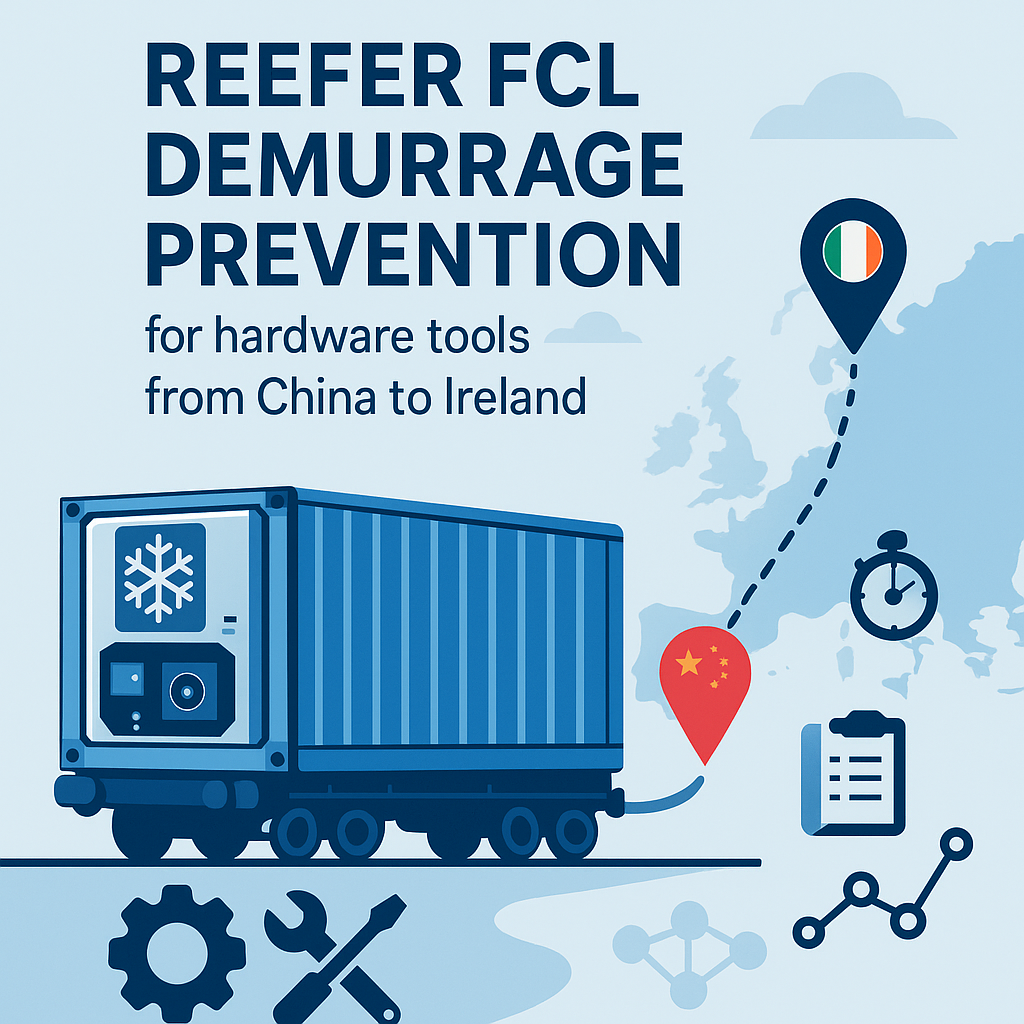
Although Reefer FCL demurrage prevention for hardware tools from China to Ireland may seem unusual, many importers overlook how strict free-time rules and temperature-controlled equipment influence their logistics planning. Moreover, reefer containers used for sensitive hardware components often have tighter gate-in requirements and higher daily demurrage fees. As you prepare shipments, experienced partners like Top China Freight help optimize documentation, equipment timing, and inland coordination to prevent unnecessary charges from the start.

Why do hardware tools sometimes require reefer FCL shipping and demurrage control?
Although reefer equipment is traditionally used for perishables, certain hardware tools—particularly humidity-sensitive or corrosion-prone components—benefit from controlled temperature and ventilation. Moreover, reefer units at origin and destination terminals operate under strict free-time limits, making demurrage prevention vital.
Reasons Reefer Is Used for Hardware Tools
- Electro-coated and polished tools require humidity control
- Long voyages increase rust risk without ventilation
- Temperature stability protects high-precision instruments
- Clean reefer interiors reduce contamination risk
Additionally, Ireland’s climate and port practices make equipment timing an important factor for avoiding demurrage.
What causes reefer FCL demurrage for China–Ireland hardware shipments?
Demurrage occurs when the container stays too long inside the terminal after unloading. Moreover, reefer containers incur higher charges because they require continuous power. Although Ireland’s ports—Dublin, Cork, Shannon Foynes—operate efficiently, delays usually stem from documentation or inland coordination issues.
Main Demurrage Triggers
- Late customs clearance due to inaccurate HS codes
- Delayed trucking appointments
- Wrong cargo description for hardware tools
- Unavailable reefer plug-ins during peak periods
- Incomplete arrival notices
Additionally, importers can prevent most fees through early documentation and synchronized inland trucking.
Common Demurrage Risk Points and How to Prevent Them
| Risk Point | Why It Happens | Prevention Action |
|---|---|---|
| Late customs clearance | Document mismatch | Pre-submit and verify HS codes |
| Trucking delays | Limited reefer units | Reserve trucks early |
| Missing arrival notice | Email errors or timing | Use digital notifications |
| Peak-season congestion | High reefer demand | Build 1–2 days of buffer |
| Wrong cargo description | Misclassified tools | Align invoice + packing list |
Moreover, efficient communication across the supply chain prevents last-minute surprises.
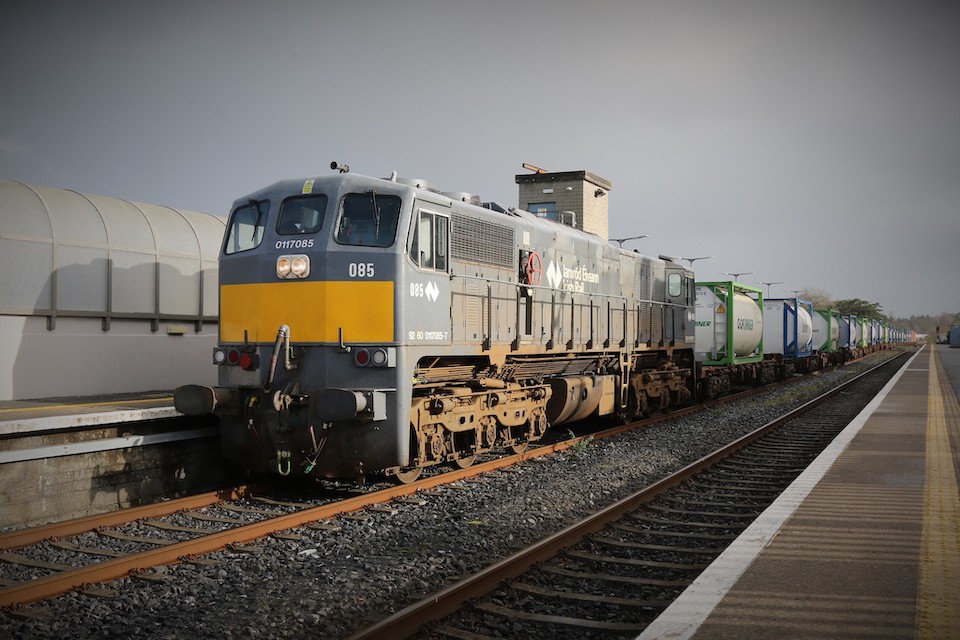
Why does reefer monitoring matter for hardware tools during FCL shipment?
Even though hardware tools are not perishable, some require humidity- or temperature-control to maintain stability. Therefore, monitoring helps prevent spoilage, corrosion, and quality loss. Moreover, reefer operational logs help customs verify correct conditions when necessary.
Monitoring Benefits
- Tracks internal temperature to protect sensitive materials
- Ensures ventilation levels meet factory standards
- Supports insurance claims if equipment fails
- Provides real-time visibility for Irish buyers
- Reduces risk of tool-surface condensation
Additionally, digital monitoring reduces the chances of unseen cargo issues upon arrival.
How can equipment allocation and container availability affect demurrage?
Reefer availability fluctuates based on season and trade lane balance. Moreover, hardware importers may compete with food suppliers for equipment during peak periods.
Best Practices for Reefer Allocation
- Reserve reefer units 7–10 days before loading
- Choose carriers with large reefer fleets
- Confirm power-plug availability at both terminals
- Pre-validate container condition through depot photos
Additionally, combining early booking with predictive demand insights improves equipment security.
Case Studies
Shanghai → Dublin | Anti-Corrosion Precision Tools
Cargo Type: Precision hardware + humidity-sensitive parts
Container Type: Reefer FCL
Risk: High demurrage exposure due to peak-season congestion
Outcome:
Because the importer pre-submitted all customs documents and booked reefer trucking five days early, the container cleared in less than 24 hours. Moreover, the reefer log validated proper conditions, avoiding quality disputes.
Ningbo → Cork | Industrial Repair Tool Kits
Cargo Type: Repair tools + sealed metal assemblies
Container Type: Reefer FCL
Risk: Documentation mismatch
Outcome:
Although the packing list originally conflicted with the invoice, early review resolved inconsistencies. Furthermore, synchronized trucking ensured the reefer departed the terminal immediately, preventing €280/day demurrage fees.
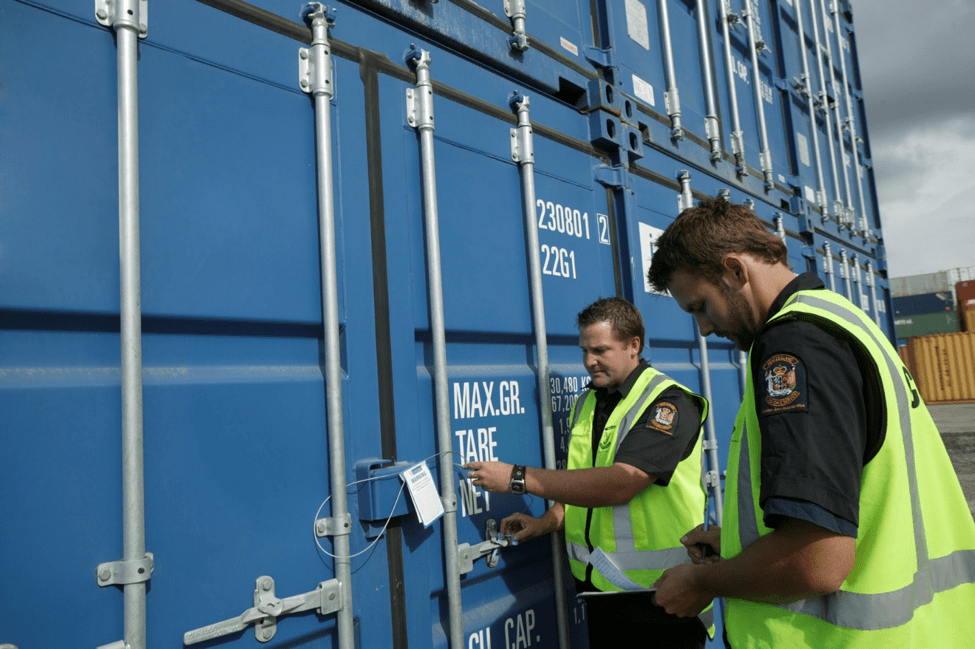
How Top China Freight supports demurrage prevention for China–Ireland reefer shipments
Although importers can manage processes independently, expert coordination significantly reduces risk. Moreover, Top China Freight provides integrated support across export prep, documentation review, customs compliance, and trucking scheduling.
Support Areas
- Pre-check reefer container condition and compliance
- Optimize HS codes and customs files
- Arrange reefer-capable inland trucks in China and Ireland
- Provide real-time FCL tracking dashboards
- Schedule shipments with stable carriers
Additionally, importers shipping humidity-sensitive hardware tools gain predictable results through structured workflows.
What packaging or cargo-preparation actions help avoid delays?
Although hardware tools are sturdy, packaging mistakes still cause moisture accumulation or customs inspection delays. Therefore, optimized preparation improves both product quality and operational timing.
Preparation Checklist
- Use anti-rust paper for metal tools
- Apply industrial desiccants with controlled-release formulas
- Label outer cartons with tool categories for inspection
- Avoid wooden pallets without proper fumigation marks
- Reinforce crate corners for long-haul EU routes
Additionally, consistent packaging accelerates customs checks upon arrival.
Conclusion
Reefer FCL demurrage prevention for hardware tools from China to Ireland ultimately depends on proactive planning, accurate documents, timely trucking, and equipment availability. Moreover, digital visibility and coordinated schedules reduce risk significantly for importers handling humidity-sensitive tools. As you prepare future shipments, integrating structured workflows will help safeguard both cost and delivery reliability while maintaining full control throughout the China–Ireland supply chain.
Request A Free Quote
Need a reliable logistics partner? Share your shipment details and we’ll provide a tailored quotation quickly and accurately.
FAQ:
What documents help prevent reefer demurrage?
Accurate invoices, packing lists, HS codes, arrival notices, and pre-submitted customs files reduce clearance delays.
How early should reefer trucking be booked in Ireland?
Booking 3–5 days in advance ensures access to reefer-capable trucks and avoids port-storage extensions.
Can reefer temperature logs support insurance claims?
They provide evidence of correct handling, which strengthens claim approvals.
Are hardware tools safe to ship in reefer containers?
Yes, especially humidity-sensitive or precision components requiring controlled environments.
Can mixed-SKU tool shipments increase inspection risk?
They may, so clear labeling and organized packing help reduce inspection time.