
Exporters facing a 40HQ FCL container shortage solution for machinery from China to Europe often struggle with space allocation, rising freight rates, and unpredictable delivery schedules. However, by applying structured planning and proactive routing strategies, they can stabilize their supply chain and protect project timelines. For readers starting from China’s manufacturing base, a reliable logistics partner such as Top China Freight helps turn shortages into manageable workflows.

Why is container shortage affecting machinery exporters today?
Although machinery exporters rely heavily on 40HQ capacity, demand surges and imbalanced global repositioning cycles often tighten available equipment. Moreover, project cargo requires consistent timelines, which means delays can multiply operational risk. Therefore, companies must understand how carrier behavior, port congestion, and import/export cycles affect machinery flows into Europe.
Key contributors to the shortage
- Rapid reallocation of empty containers to higher-yield markets
- Europe’s slower import cycles delaying container return
- Seasonal spikes in Chinese machinery exports
- Congested feeder networks limiting box repositioning
Consequently, completing early planning becomes critical for 40HQ machinery transport.
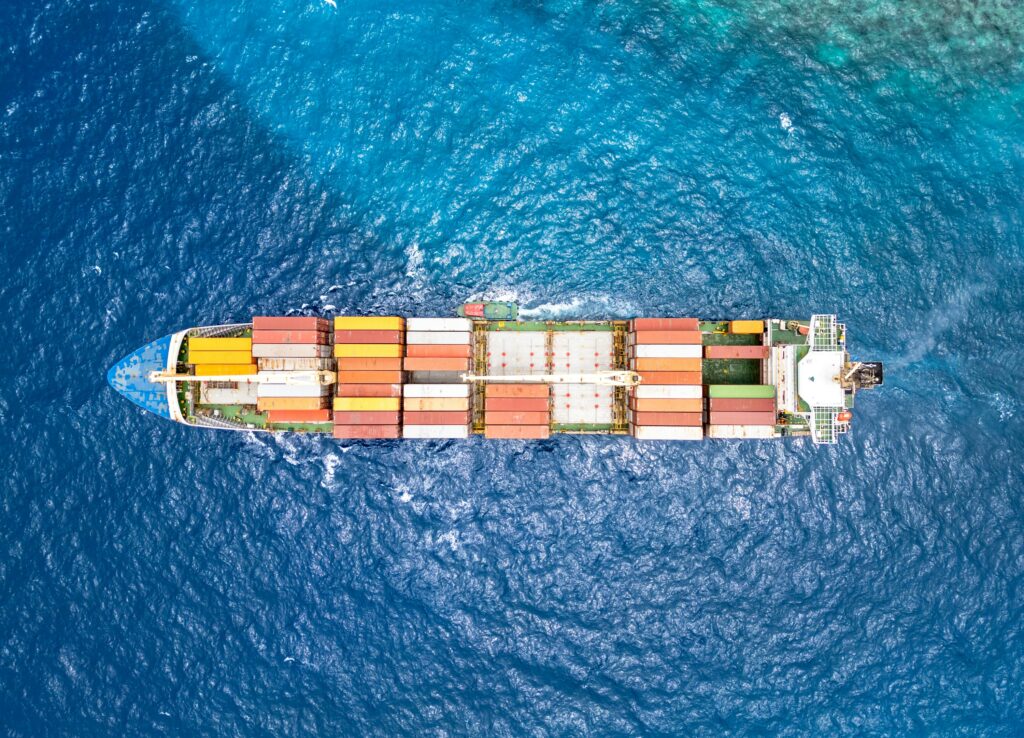
What booking timeline helps secure 40HQ FCL space for machinery?
Booking lead time for 40HQ containers is no longer optional. Furthermore, machinery shippers benefit from structured forecasting and consolidated dispatch plans.
Recommended booking lead time for equipment cargo
| Cargo Type | Recommended Booking Lead Time | Notes |
|---|---|---|
| Standard machinery | 2–3 weeks | Higher probability of confirmed allocation |
| Heavy or oversize parts | 3–5 weeks | Requires special routing preparation |
| High-value automated equipment | 3–4 weeks | Additional customs/export documentation |
Additionally, exporters who coordinate forecasts with freight forwarders often achieve priority allocation during peak cycles.
How can alternative FCL routing reduce equipment delays?
Although many shippers rely on direct sailings, routing flexibility significantly improves the chance of obtaining 40HQ equipment. Moreover, alternative hub ports often deliver faster confirmation even when China main ports experience container imbalance.
Beneficial alternate routes
- China → Piraeus → Central Europe rail extension
- China → Valencia → France/Germany trucking
- China → Gdansk → Eastern Europe distribution
- China → Rotterdam → Inland barge transport
Therefore, adjusting routing preferences sharply increases the probability of securing equipment and keeps machinery deliveries on schedule.
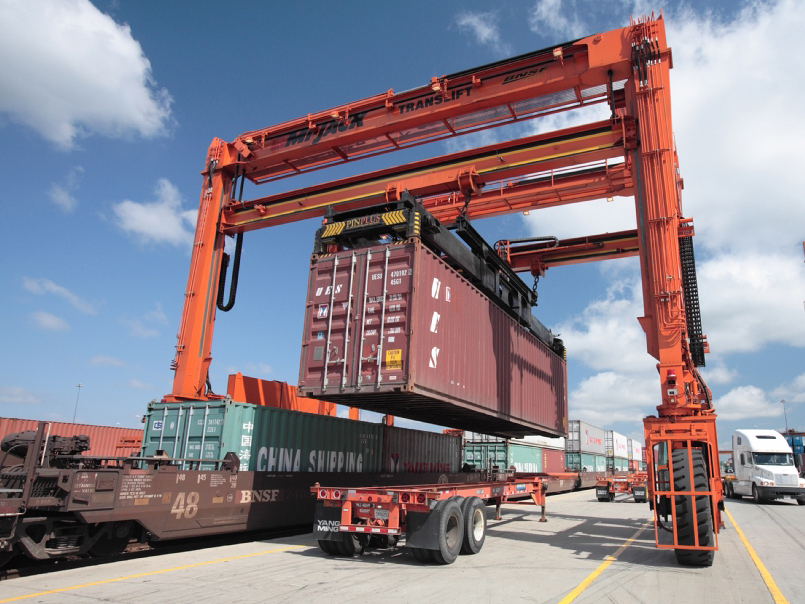
Can multimodal transport provide stability for machinery during shortages?
Yes. When shortages intensify, combining sea, rail, and trucking gives exporters more flexibility. In fact, the China–Europe rail option is increasingly selected for time-sensitive machinery, since it offers predictable transit times and stable capacity.
When clients require hybrid solutions, providers such as Top China Freight offer integrated planning connecting sea freight, rail freight, and regional trucking.
Common multimodal patterns
- Sea + rail for high-value CNC equipment
- Rail + trucking for mid-weight parts to inland Europe
- Sea + express trucking for urgent replacements
Moreover, multimodal choices often shorten total delivery schedules by spreading transport risk.
Real Case Studies
Case 1 — 40HQ Machinery Shipment: Chongqing → Hamburg
Cargo: Automated fabrication machinery (21 tons)
Challenge: Severe equipment shortages at Shanghai, high congestion
Solution: Switched to alternative routing via Shenzhen + feeder to Singapore
Cost: USD 4,800 (freight only)
Transit Time: 29 days
Outcome: Space confirmed 12 days earlier than original port, keeping project timeline intact
Case 2 — 40HQ Precision Machinery: Ningbo → Antwerp
Cargo: Precision robotic arms (14 tons)
Challenge: Two-week delay risk due to limited 40HQ inventory
Solution: Shifted to rail-sea multimodal through Xi’an → Hamburg + trucking
Cost: USD 5,600
Transit Time: 23 days
Outcome: Predictable delivery schedule with reduced shortage exposure
How does customs preparation influence space availability for machinery?
Although customs documentation does not directly create container shortages, incomplete or incorrect filings often cause rollovers. Therefore, exporters who master documentation workflows keep their machinery aligned with planned vessel windows, preserving 40HQ allocation.
Essential customs documents checklist
| Document Type | Purpose | Exporter Tip |
|---|---|---|
| Commercial invoice | Value declaration | Match HS codes with machinery type |
| Packing list | Load verification | Include crate dimensions & weight |
| Export license (if required) | Compliance | Apply early during peak seasons |
| Certificate of origin | EU tariff management | Ensure consistency with invoice |
Moreover, coordinating customs preparation with a logistics provider early reduces the risk of missed sailings.
What role does supplier coordination play in solving the 40HQ shortage?
Although machinery is often sourced from multiple workshops, fragmented pickup times commonly cause missed booking windows. Therefore, centralizing supplier timetables improves departure alignment. Additionally, many shippers rely on door-to-door workflows that include local trucking, container loading supervision, and pre-carriage coordination.
When deeper integration is needed, forwarders with complete service coverage—such as those offering door-to-door or FCL-LCL handling—help consolidate multiple machinery pieces into one efficient shipment.
Supplier coordination steps
- Establish a unified loading calendar for all machinery parts
- Pre-check crate sizes to ensure 40HQ volume optimization
- Use digital booking systems to confirm supplier readiness
- Synchronize customs documentation before factory pickup
Because delays often originate upstream, refining supplier coordination strengthens the whole chain.
How Europe-specific regulations shape container availability
Although regulations do not directly limit container inventory, compliance factors shape routing feasibility. For example, some European ports impose strict weight limits, which affect machinery loading plans. Additionally, environmental policies influence carrier schedules and cause indirect container repositioning delays.
Europe-specific considerations
- Axle weight limits for machinery entering Central Europe
- IMO environmental compliance affecting carrier rotations
- Local customs formalities tightening peak-season throughput
- Regional labor shortages extending port handling times
Therefore, exporters must align compliance planning with booking strategies to avoid unexpected space loss.
Conclusion
Although shortages continue to challenge global supply chains, exporters who apply a structured 40HQ FCL container shortage solution for machinery from China to Europe achieve far more stable results. Moreover, strategies such as alternative routing, multimodal combinations, improved forecasting, and stronger supplier coordination reduce risk significantly. When professional support is needed, a logistics partner with China–Europe expertise can help secure space and maintain schedule reliability. Therefore, now is an excellent time to optimize planning and request tailored solutions for your machinery shipments.
Request A Free Quote
Need a reliable logistics partner? Share your shipment details and we’ll provide a tailored quotation quickly and accurately.
FAQ:
How are freight rates determined for machinery in 40HQ containers?
Rates depend on route demand, seasonal cycles, and carrier capacity plans, so monitoring market movements helps identify cost-efficient booking windows.
What documents do machinery shippers need for smooth customs clearance?
Commercial invoices, packing lists, certificates of origin, and specific export permits ensure cargo flows without delays.
Why do transit times fluctuate during container shortages?
Shifts in carrier rotations, port congestion, and equipment repositioning often extend transit schedules temporarily.
How can I track my 40HQ machinery shipment?
Most forwarders offer real-time visibility tools displaying vessel schedules, customs progress, and delivery status.
Can space guarantees completely eliminate rollover risk?
They greatly reduce it; however, extreme market disruptions may still create unexpected scheduling adjustments.