
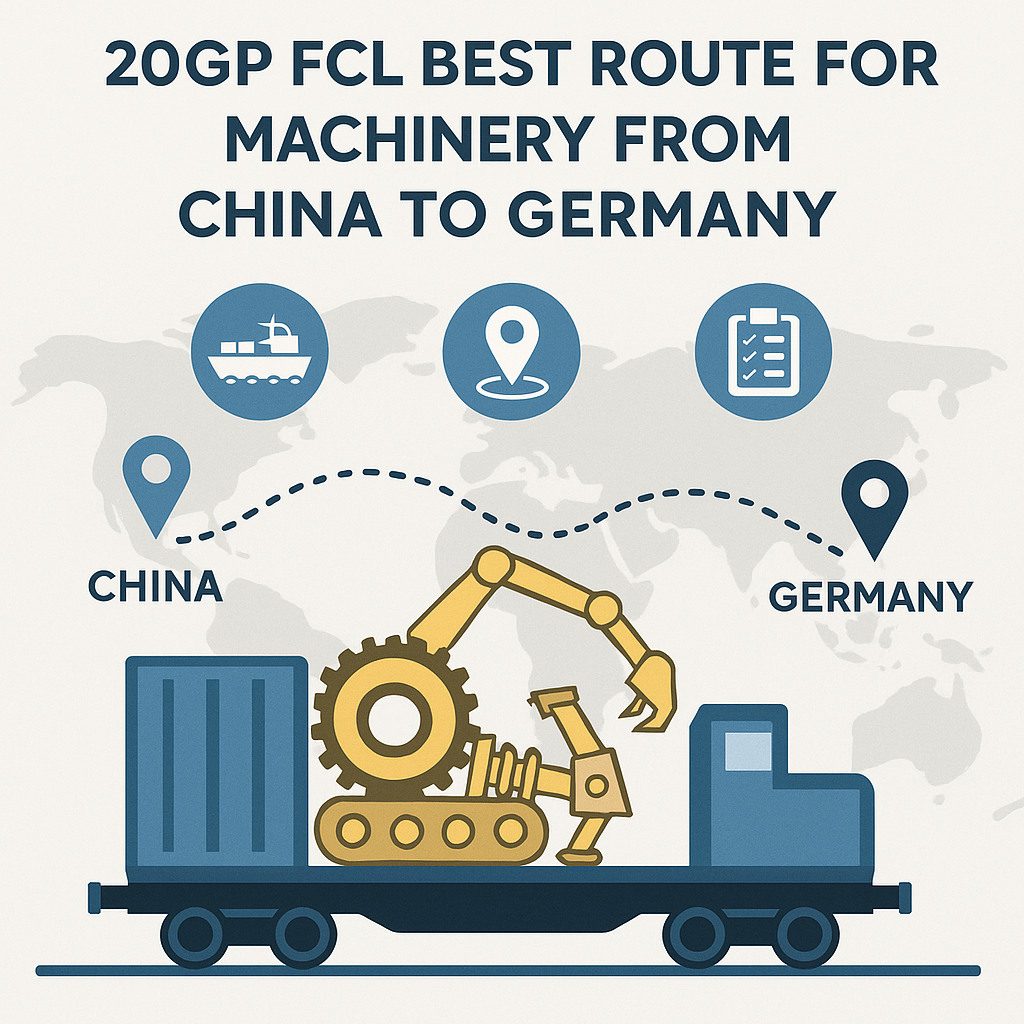
Although machinery shipments often demand strict handling and precise route planning, importers still struggle to select the 20GP FCL best route for machinery from China to Germany, especially when cargo size, transit variability, and customs rules affect scheduling. Therefore, choosing the right path requires understanding freight options, operational risks, and timing constraints, all of which become easier when guided by experienced partners such as Top China Freight. This article outlines practical, route-specific strategies that help shippers secure predictable delivery and protect supply chain performance.
Why Do Machinery Shippers Need a Clear 20GP FCL Route Strategy?
Machinery shipments differ from consumer goods because they involve oversized components, precision equipment, and strict handling rules. Consequently, any route chosen for the 20GP FCL best route for machinery from China to Germany must balance cost stability, transit reliability, and operational safety. Moreover, the machinery category often includes high-value or delicate items requiring predictable schedules to support downstream project timelines. When shippers evaluate routes with both transit time and risk in mind, their delivery outcomes become significantly more stable.
What Factors Determine the Best 20GP FCL Route for Machinery?
Since routes from China to Germany include multiple maritime and rail corridors, shippers must weigh performance across several criteria. Additionally, machinery importers often coordinate installation teams, which makes every day of transit accuracy important.
Key factors include:
- Port congestion and historical reliability
- Customs efficiency and inspection rates
- Equipment handling capacity for heavy cargo
- Compatibility with project schedules
These criteria influence whether a shipper chooses a direct northern Europe sailing, a Mediterranean feeder route, or a combined sea–rail path through Central Asia.
How Do Main China–Germany Routes Compare for Machinery Shipments?
Although several options exist, each route offers distinct advantages for machinery cargo.
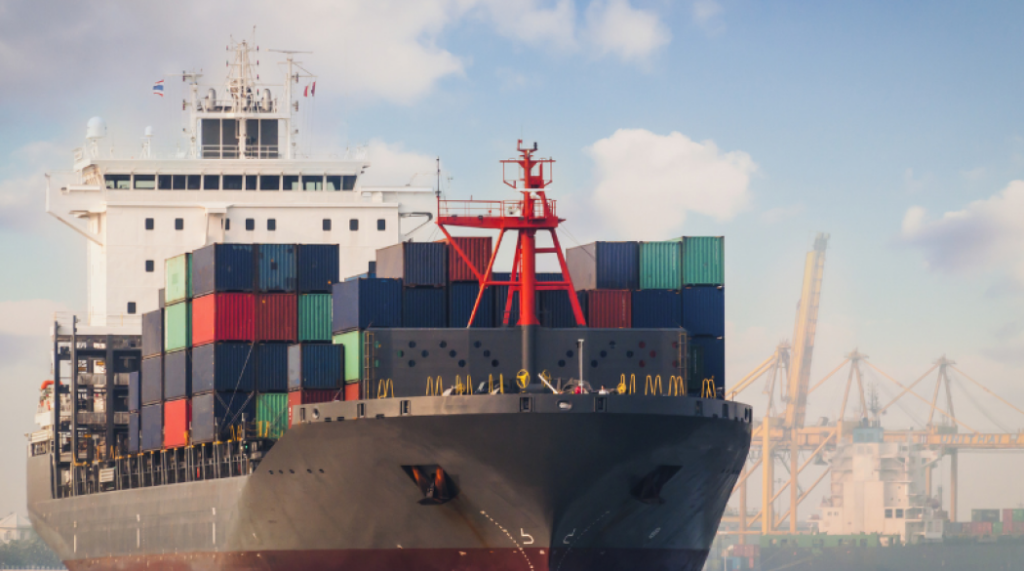
1. Direct Sea Route to North Europe (Hamburg/Bremerhaven)
This is the most common option for stable schedules.
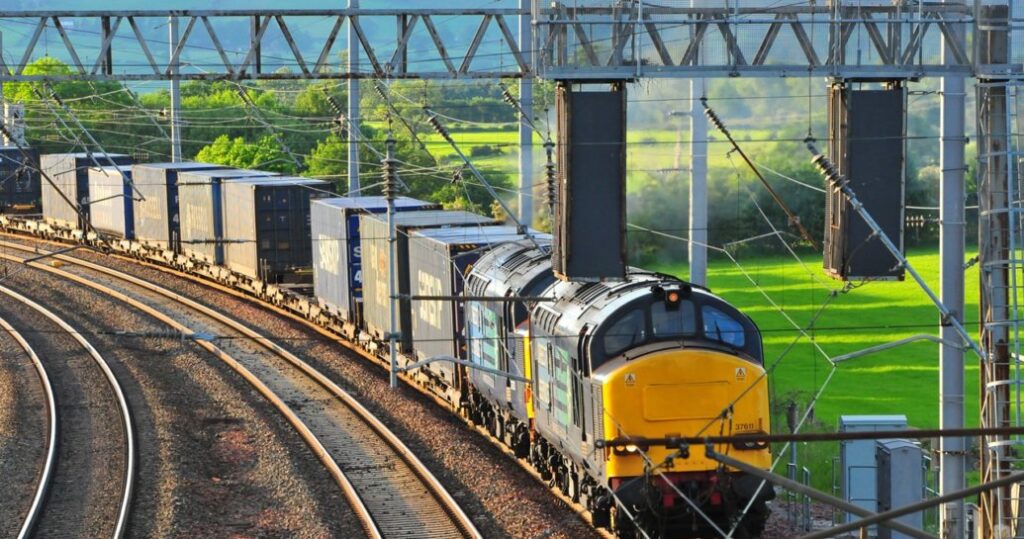
2. Sea + Rail Route (China → Poland → Germany)
This route shortens overall door-to-door time for machinery that demands faster transit.
3. Mediterranean Route via Piraeus or Rotterdam
This option supports flexible feeder schedules when North Europe ports face congestion.
Which 20GP FCL Route Offers the Best Balance of Cost and Speed?
Below is a comparison table showing how the most common routes perform for machinery cargo. Values are general market ranges and vary by season.
| Route Option | Transit Time | Cost Level | Advantages |
|---|---|---|---|
| Direct Sea to Hamburg | 30–36 days | Moderate | High reliability, strong handling for machinery |
| Sea + Rail via Poland | 24–30 days | Higher | Faster door-to-door, less congestion |
| Mediterranean Feeder Route | 32–40 days | Moderate | Flexible routing, easier to secure space |
Because many machinery importers prioritize schedule reliability, the direct route to Hamburg remains the preferred solution. However, when urgent project deadlines arise, the combined sea–rail method becomes attractive.
Case Studies
Heavy Machinery Transport From Tianjin to Hamburg
Cargo: 19 tons of precision machining equipment
Route: Direct sea route to Hamburg
Transit Time: 33 days
Cost Level: Moderate
Outcome: Because the shipper used machinery shipping route planning and provided full loading diagrams, Hamburg stevedores handled the unit quickly, allowing on-time inland trucking to the project site.
Time-Critical Machinery to Frankfurt via Sea–Rail
Cargo: 4 oversized industrial pumps
Route: Ningbo → Gdansk → Rail to Germany
Transit Time: 27 days
Cost Level: Higher
Outcome: Although costs were slightly higher, the shipper required predictable timing. The sea–rail route supported optimal transit time for machinery, avoiding port congestion and enabling precise installation scheduling.
What Documentation Supports Smooth Machinery Clearance in Germany?
Germany maintains strict mechanical equipment regulations, meaning any incorrect documentation may delay clearance. Nevertheless, preparing files thoroughly ensures smooth entry.
Machinery documentation checklist
| Document Type | Purpose | Notes |
|---|---|---|
| Commercial Invoice | Declares equipment value and description | Must show component details |
| Packing List | Confirms crate count & dimensions | Helps plan unloading |
| HS Codes | Identifies machinery type | Must match classification rules |
| CE or Safety Compliance | Required for many machinery types | Mandatory for operational equipment |
Additionally, shippers importing heavy units should coordinate early with their broker or specialized partners such as those offering customs brokerage services. As a result, clearance becomes faster and more predictable.
Why Is Working With a Professional Forwarder Important?
Machinery shipping requires precise coordination across multiple operational teams. Additionally, experienced forwarders—such as Top China Freight—offer route comparison, heavy cargo handling advice, and contingency planning. When required, shippers may also explore alternative service channels such as sea freight or rail freight solutions to achieve better delivery performance.
Because machinery logistics carry high financial stakes, professional guidance helps reduce risk and support project success.
How Can Visibility Tools Strengthen Machinery Route Reliability?
Machinery importers benefit significantly from real-time tracking, since equipment arrival often triggers installation crews, cranes, and site work.
Useful visibility tools
- Dynamic ETA dashboards
- Customs milestone tracking
- Inland truck status alerts
- Route performance analytics
Combined, these tools support predictable outcomes and help maintain machinery supply chain optimization.
Conclusion
Although machinery shipments present greater complexity than standard FCL movements, importers can achieve consistent results by selecting the 20GP FCL best route for machinery from China to Germany and aligning it with strong documentation, container loading, and scheduling practices. Moreover, when shippers plan proactively and coordinate every stage—from port selection to inland delivery—they reduce unexpected delays and keep project timelines intact. Therefore, organizations moving high-value machinery should leverage structured route analysis and professional logistics support to maintain predictable performance and cost stability across the China–Germany corridor.
Request A Free Quote
Start shipping smarter with TopChinaForwarder today! 🚢✨ Request a Free Quote 📝 and get a tailored logistics plan built around your cargo and timeline.
FAQ:
Which factors influence the best route for machinery FCL shipments?
Key factors include port capacity, handling equipment, transit reliability, and inland delivery options. Comparing these elements helps select the most efficient route.
How can importers reduce delays on China–Germany machinery routes?
Clear documents, stable bookings, and accurate ETAs reduce delays. Continuous visibility also allows shippers to respond quickly to schedule changes.
Should machinery shippers consider multimodal routes?
They should when timing is urgent. Sea–rail combinations offer faster door-to-door delivery, especially when North Europe ports experience congestion.
What documents support faster clearance for machinery?
Accurate HS codes, packing lists, CE declarations, and component details help customs confirm compliance quickly and avoid manual inspections.
How can visibility tools improve machinery delivery timing?
Tracking platforms provide ETA updates, customs milestones, and trucking status alerts. Early insights help shippers adjust resources and reduce dwell time.