
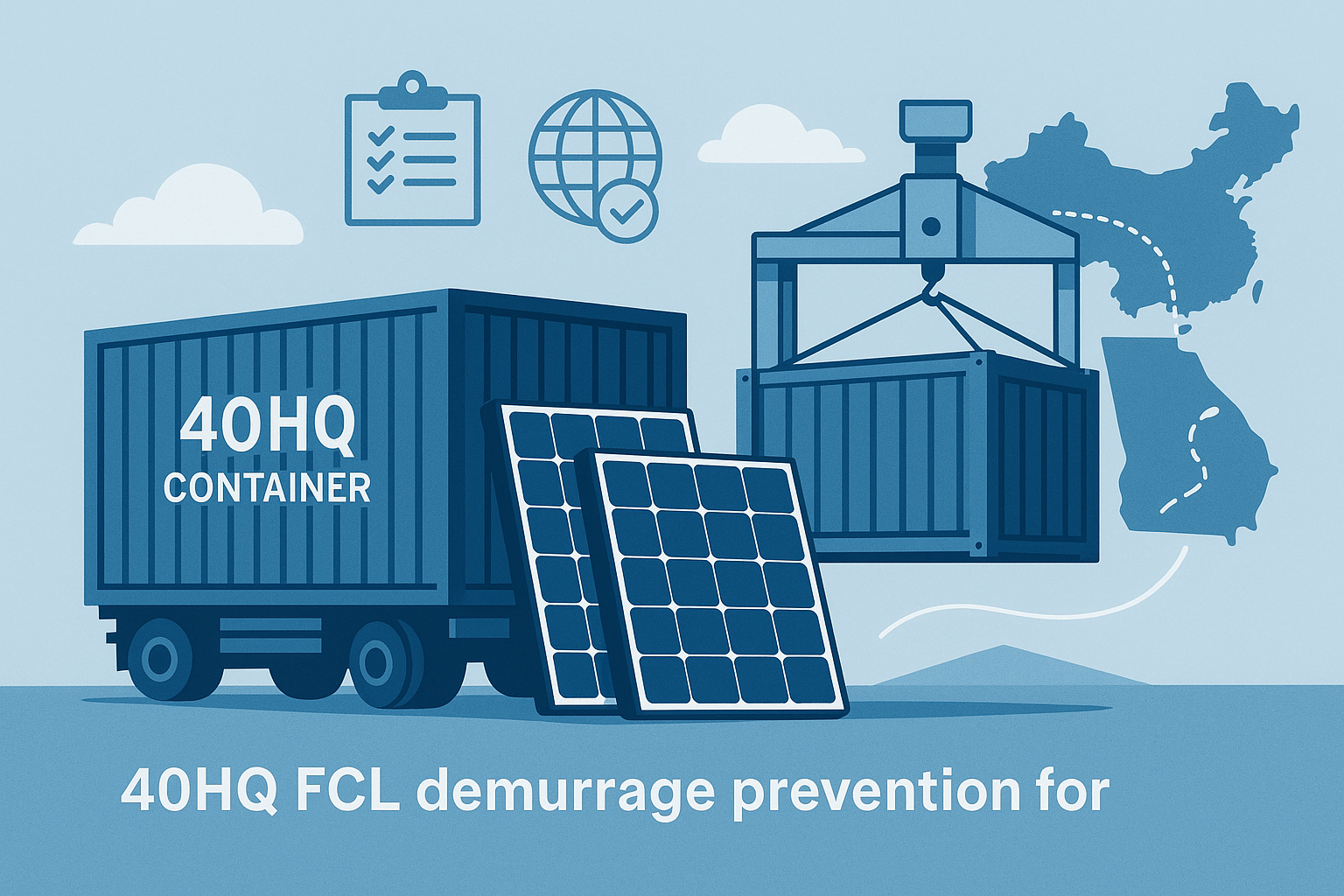
Although demand for clean energy continues rising, managing 40HQ FCL demurrage prevention for solar panels from China to Georgia remains challenging due to congestion, fragile cargo, and tight free-time limits. Therefore, importers must combine compliance, container handling accuracy, and strong coordination to avoid unnecessary charges, and resources such as the Top China Freight homepage help teams build this foundation. Moreover, this guide explains practical, action-ready strategies that enhance delivery reliability while reducing operational and financial risks throughout the China–Georgia supply chain.
What Makes Demurrage a Significant Risk for Solar Panel Imports into Georgia?
Solar panels require careful container handling, precise documentation, and predictable delivery schedules, yet Georgia’s ports often experience seasonal congestion and variable offloading capacity. Moreover, solar modules are fragile and high value, so any delay increases cost pressure and operational risk. Because demurrage accumulates daily after free time ends, even a minor delay caused by documentation errors, truck shortages, or terminal backlogs can escalate into significant charges.
Additionally, solar panel importers often operate under strict project timelines, so delays impact not only cost but also installation schedules across local energy sites.
How to Build a Strong Demurrage Prevention Framework for China–Georgia Solar Panel Logistics?
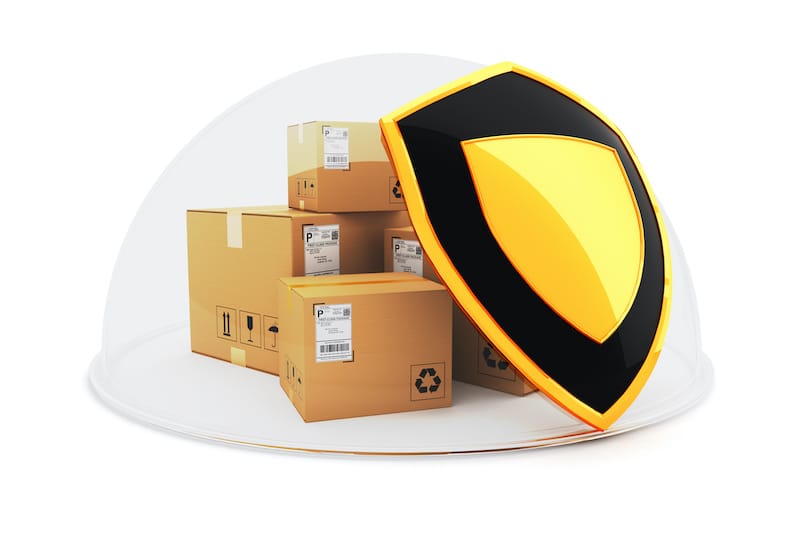
A robust framework begins with synchronized planning across shipping, customs, trucking, and warehouse operations. Moreover, solar panels require stable handling across long ocean routes, so importers should prepare documentation early and align suppliers, brokers, and drayage providers before departure.
Core Components of an Effective Framework
- Early review of commercial invoices and packing lists
- Pre-filed ISF and accurate solar module documentation
- Pre-assigned drayage carriers with confirmed pickup windows
- Warehouse staging plans for immediate unloading
- Real-time visibility tools to monitor vessel schedules
Because solar panels are sensitive to moisture, stacking load shifts, and vibration, proper container preparation further reduces risk of delays caused by damaged cargo assessments.
What Documentation Issues Commonly Trigger Delays for Solar Panel Imports?
Documentation errors remain one of the top causes of demurrage. Solar panels require highly accurate technical descriptions, including wattage, dimensions, safety certifications, pallet counts, and HS code identification. Therefore, every document must align across the invoice, packing list, bill of lading, and customs filings.
Common Documentation Problems
- Missing wattage or model identifiers
- Inaccurate HS codes for solar energy equipment
- Incorrect carton or pallet counts
- Delayed ISF filing
- Missing safety and certification documents
These errors often lead to customs exams or extended verification times. As a result, importers lose free time during these holds, increasing demurrage exposure.
How Free Time at Georgia Ports Influences Demurrage Risk?
Georgia ports typically offer 4–7 days of free time, depending on the carrier and contract type. However, solar panel importers often require longer retrieval windows due to container weight, oversized packaging, and project-based unloading schedules.
Below is a reference table for evaluating free-time expectations:
Typical Free Time for Solar Panel FCL Arrivals in Georgia
| Service Type | Free Time (Days) | Notes |
|---|---|---|
| Standard contracts | 4–5 days | May tighten during peak seasons |
| Premium contracts | 6–7 days | More flexibility for large solar shipments |
| Project cargo programs | 5–8 days | Designed for renewable energy shipments |
Because free time directly affects timeline stability, importers should negotiate improved terms or develop contingency plans during peak shipping cycles.
Case Studies
Solar Panel Shipment via Ningbo to Georgia
Origin: Ningbo, China
Destination: Georgia, USA
Cargo Type: Solar modules + mounting hardware
Container: 40HQ FCL
Transit Time: 31 days
Freight Style: Direct service with inland drayage
Cost Reference: Mid-range renewable energy freight
Key Success Factors: Early ISF filing, advance drayage scheduling, coordinated warehouse labor
Because all documentation was validated early and drayage was pre-booked, the importer completed retrieval on the same day the container was discharged. Moreover, coordinated warehouse staffing allowed immediate unloading, eliminating any demurrage exposure.
Mixed Solar Equipment via Shanghai to Georgia
Origin: Shanghai, China
Destination: Georgia, USA
Cargo Type: Solar panels, inverters, wiring kits
Container: 40HQ FCL
Transit Time: 33–35 days
Freight Style: Premium routing with extended free time
Cost Reference: Upper-mid due to project cargo terms
Key Success Factors: Real-time visibility, certification accuracy, pre-cleared documentation
Because the importer pre-cleared certifications and monitored ETA fluctuations daily, the trucking provider adjusted the pickup window efficiently. As a result, the container was retrieved within the extended free-time allowance despite port congestion.
How Transit Time Variability Affects Solar Panel Demurrage Prevention?
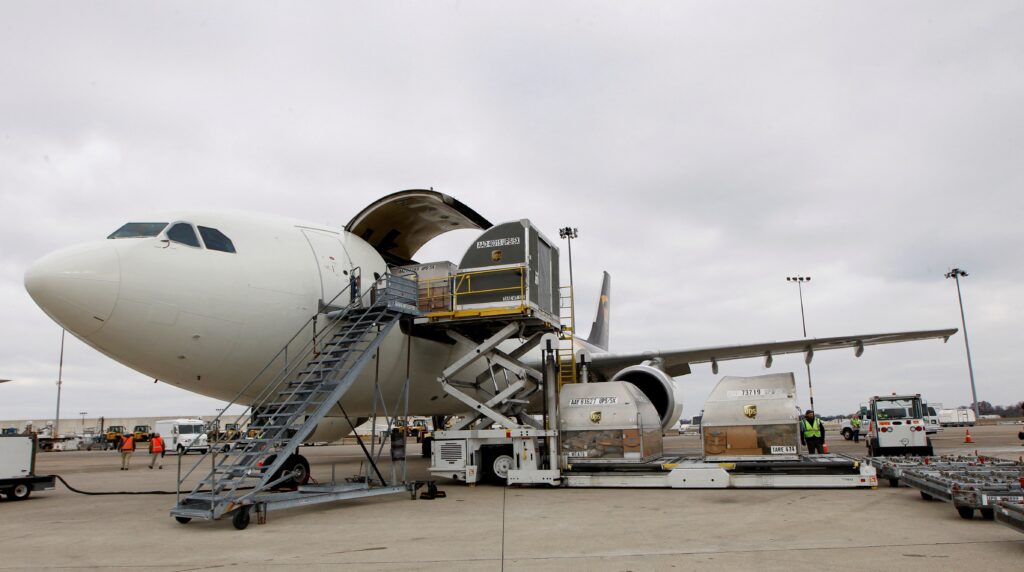
Transit times from major China origins to Georgia range 29–38 days, with variations influenced by routing, transshipment hubs, carrier reliability, and seasonal weather conditions. Moreover, solar panel exporters often coordinate shipments around production batches or construction project timelines, making any unexpected delay particularly disruptive.
Estimated Transit Times for China–Georgia Solar Panel Routes
| Origin Port | Transit Time | Notes |
|---|---|---|
| Shanghai | 31–36 days | Possibly longer during Q4 peak season |
| Ningbo | 30–35 days | Strong frequency, moderate congestion |
| Shenzhen | 29–34 days | Popular for solar manufacturers |
Importers must combine this data with warehousing and trucking schedules to prevent timing conflicts that reduce container retrieval speed.
Which Supply-Chain Strategies Offer the Greatest Impact for Solar Panel Demurrage Prevention?
Solar panel shipments benefit from strategies that reduce uncertainty and improve cross-team communication. Consequently, importers should integrate the following high-impact tactics into their planning:
Key Strategies
- Implement early documentation validation to prevent customs holds
- Use carriers with consistent on-time performance to improve predictability
- Prepare warehouse unloading capacity before vessel arrival
- Apply container load mapping to improve pallet handling and prevent damages
- Use multi-level tracking tools for synchronized ETAs
- Schedule drayage earlier during peak solar installation cycles
Additionally, importers who use structured FCL management services or multimodal options—such as FCL & LCL or inland delivery plans—gain greater flexibility when adjusting to schedule fluctuations.
How Should Importers Coordinate Drayage and Warehouse Operations to Avoid Demurrage?
Coordination between trucking providers and warehouse teams influences retrieval speed more than many expect. Since Georgia ports operate with strict appointment systems, trucking availability becomes limited during peak solar energy seasons. Therefore, importers should reserve drayage appointments before vessel arrival and confirm unloading capacity with warehouses in advance.
Furthermore, solar panels often require a no-delay unloading plan because carriers may restrict extended on-chassis time due to weight and fragility concerns. When teams communicate proactively, they shorten retrieval time and reduce the risk of rolled or missed appointments.
Conclusion
Effective 40HQ FCL demurrage prevention for solar panels from China to Georgia relies on early documentation accuracy, synchronized drayage coordination, strong supply-chain visibility, and proactive project-based planning. Moreover, solar panel importers who adopt structured workflows can reduce delays, protect budgets, and maintain reliable delivery cycles. For businesses seeking tailored strategies, professional logistics support can strengthen long-term supply-chain performance.
Request A Free Quote
Start shipping smarter with TopChinaForwarder today! 🚢✨ Request a Free Quote 📝 and get a tailored logistics plan built around your cargo and timeline.
FAQ:
How are demurrage fees calculated in Georgia?
Fees accrue daily after free time ends, and rates vary by terminal and carrier. Planning ahead helps reduce exposure.
Do solar panels require special customs documents?
Yes. Panels may need certification data, wattage specs, and safety documents to ensure smooth clearance.
How early should I secure drayage for Georgia arrivals?
Booking 48–72 hours before arrival improves appointment availability during peak seasons.
Does peak season affect solar panel delivery speed?
It does. Congestion and increased customs exams may extend retrieval times.
Should I insure solar panel shipments?
Yes. Due to high value and fragility, cargo insurance protects against damage or loss.