
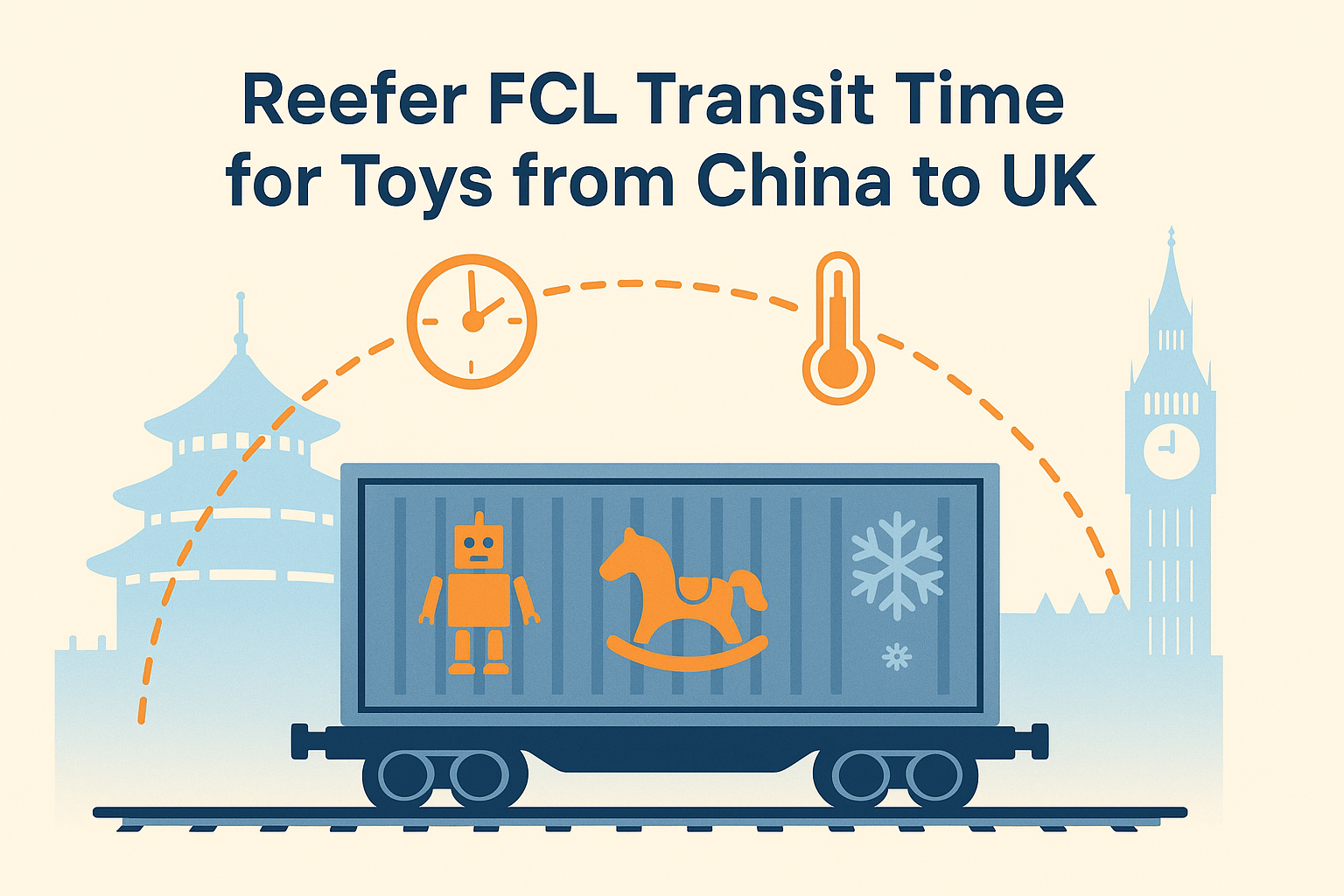
Although reefer FCL transit time for toys from China to UK may appear predictable, real-world schedules often shift due to port congestion, routing variance, or seasonal demand; however, accurate transit planning and cold-chain control dramatically reduce risk for importers. Moreover, experienced freight partners such as those found on the Top China Freight homepage help shippers evaluate timing, documentation, and temperature requirements more effectively. As a result, businesses gain the clarity needed to move temperature-sensitive toys with confidence.
Why Does Reefer FCL Transit Time Matter for Toy Shipments to the UK?
Because toys containing electronics, gels, or heat-sensitive materials require stable temperatures throughout the voyage, transit time accuracy influences product quality and compliance. Additionally, UK import authorities closely evaluate battery-powered toys, meaning delays may increase inspection probability.
Furthermore, knowing the expected cold-chain timeline helps retailers and distributors coordinate inventory levels, especially during seasonal peaks such as Christmas or UK school holidays.
How Is the Transit Time for Reefer FCL From China to the UK Typically Calculated?
Transit time is influenced by the carrier’s route, the reefer container’s energy cycles, weather patterns, and UK port capacity. Although shipping lines publish indicative schedules, importers should track actual voyage behavior to understand fluctuations.
Key Factors Affecting Transit Time
- Carrier routing and transshipment stops
- Weather systems across the Indian Ocean or Mediterranean
- Port congestion at Felixstowe, Southampton, or London Gateway
- Cold-chain energy management cycles
- Reefer container voyage time analysis reports
- Seasonal demand influencing vessel availability
Moreover, cold-chain FCL transit time prediction tools offer increasingly accurate visibility, enabling shippers to adjust deliveries proactively.
What Are the Typical Transit Time Ranges from China to the UK for Reefer FCL Cargo?
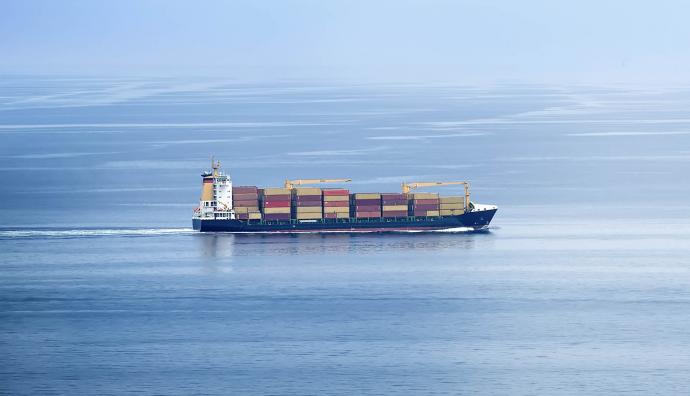
Although timing varies by port pair, reefer shipments generally align with dry-container schedules, with added operational checks for temperature control.
Estimated Transit Times (Non-Contractual Reference Only)
| Route (China → UK) | Estimated Transit Time | Notes |
|---|---|---|
| Shanghai → Felixstowe | 28–35 days | Stable schedules, strong reefer support |
| Shenzhen → Southampton | 27–34 days | Popular for toy exporters |
| Ningbo → London Gateway | 30–38 days | Slightly longer due to routing |
| Qingdao → Felixstowe | 32–40 days | Weather patterns influence timing |
Although these are reference ranges, real-time reefer FCL monitoring helps importers verify temperature stability and anticipate delays.
How Do Cold-Chain Requirements Influence Transit Time Reliability?
Since reefer units require consistent power supply and monitoring, any disruptions—such as vessel power tests, port plug-in queues, or generator changes—may affect cargo condition. Consequently, shippers transporting toys sensitive to humidity or heat should incorporate buffer time into planning.
Additionally, humidity-controlled FCL shipping for toys protects materials such as plastics, foams, resins, and electronic components. Therefore, pre-departure settings must match manufacturer tolerance levels.
How Should Importers Prepare Toys for Long-Distance Reefer Transit to the UK?
Although toys are not traditionally considered cold-chain items, many modern materials degrade when exposed to heat or moisture. Therefore, proper preparation is essential.
Key Preparation Measures
- Use insulated packaging to stabilize temperatures
- Apply moisture-absorbing materials for electronic toys
- Include shock-resistant padding to reduce vibration damage
- Verify battery documentation for UK import compliance
- Add temperature and humidity indicators for receiving checks
Moreover, well-structured stuffing promotes airflow circulation inside the reefer container.

Real Case Studies
Shenzhen to Felixstowe
Origin: Shenzhen, China
Destination: Felixstowe, UK
Cargo: 6,500 electronic toy units with heat-sensitive chips
Transit Time: 29 days
Container: 40’ Reefer FCL
Result: Through continuous monitoring and cold-chain transit time prediction, the importer maintained stable temperature conditions and reduced potential product defects during the UK customs inspection.
Ningbo to Southampton
Origin: Ningbo, China
Destination: Southampton, UK
Cargo: Mixed toy sets including battery-powered items
Transit Time: 33 days
Container: 40’ Reefer FCL
Result: Humidity-controlled FCL shipping minimized moisture impact during colder European climates. Moreover, accurate transit forecasting supported inventory planning for UK retail distribution.
How Do Carriers and Routes Influence Transit Time Performance?
Because each shipping line uses different service loops, transit time can change significantly between carriers. Some vessels route through the Suez Canal with fewer stops, while others include transshipment points in Singapore, Colombo, or Jebel Ali.
Route and Carrier Comparison for Planning (Non-Contractual Reference)
| Carrier Type | Transit Pattern | Advantages | Considerations |
|---|---|---|---|
| Direct services | China → UK with minimal stops | Faster & predictable | Limited reefer capacity during peak season |
| Transshipment routes | China → Hub → UK | More sailing frequency | Longer transit time variance |
| Premium cold-chain services | Enhanced monitoring & reefer tech | Better temperature stability | Higher freight rates |
Moreover, reefer FCL route comparison between carriers helps importers choose the most stable transit profile rather than relying solely on the lowest freight rates.
How Should Importers Use Data to Improve Transit Time Forecasting?
Predictive logistics tools provide granular insights into vessel speed, port performance, seasonal congestion, and weather impact. Additionally, integrating data from reefer container GPS tracking timelines allows importers to refine delivery schedules.
Because retailers increasingly rely on just-in-time distribution, accurate forecasting protects product flow and avoids overstock or shortage issues. Moreover, UK distributors benefit from knowing exactly when toys will arrive for seasonal promotions.
Conclusion
Reefer FCL transit time for toys from China to UK becomes far more predictable when importers apply data-driven planning, temperature-control strategies, and continuous monitoring. Although routing variables and port congestion occasionally affect schedules, early preparation and cold-chain visibility minimize disruption. Therefore, businesses aiming for stable supply chains should collaborate with experienced logistics partners to optimize routes, documentation, and delivery timing. To obtain a customized timeline assessment or freight plan, importers are invited to reach out for expert support.
Request A Free Quote
Need a reliable logistics partner? Share your shipment details and we’ll provide a tailored quotation quickly and accurately.
FAQ:
How are reefer FCL transit times calculated?
Transit times depend on routing, carrier schedule, weather, and UK port conditions. Monitoring tools help refine predictions and reduce uncertainty.
Do toys require special documentation for UK import?
Do toys require special documentation for UK import?
How does monitoring improve delivery predictability?
Tracking tools provide live vessel updates, temperature data, and port ETAs. Visibility helps adjust warehouse planning and prevent disruptions.
What factors often cause UK port delays?
Labor constraints, weather, and vessel bunching contribute. Forecasting tools and buffer planning reduce the impact on delivery schedules.
How do seasonal peaks affect reefer transit time?
Holiday seasons or promotional periods increase congestion. Early booking and predictive tools support smoother timelines.