
Managing international freight successfully requires precision and planning. Understanding the booking process for FCL shipping from China to Chicago helps importers save time, avoid costly errors, and ensure seamless delivery. This guide details every essential step—from booking to customs clearance—so you can efficiently manage your full container load (FCL) shipments to Chicago.

What Is FCL Shipping and Why Is It Ideal for Chicago Imports?
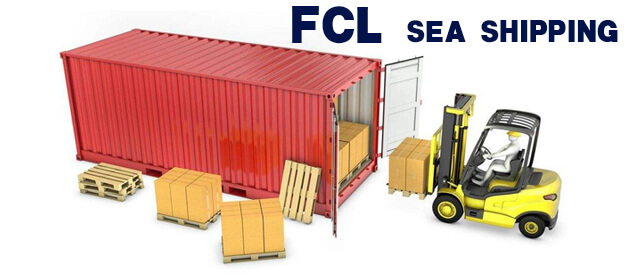
FCL (Full Container Load) shipping involves renting an entire container exclusively for one buyer’s goods. It is ideal for importers with large cargo volumes heading to Chicago, one of the most important inland ports in the U.S.
| Container Type | Capacity (CBM) | Best for | Common Goods |
|---|---|---|---|
| 20GP | 28 | Smaller loads | Electronics, hardware tools |
| 40GP | 58 | Medium volume | Furniture, auto parts |
| 40HQ | 68 | Large volume | Machinery, textiles |
Additionally, FCL shipping reduces the risk of damage, ensures better control over shipping schedules, and allows faster customs clearance compared with LCL (Less than Container Load) shipments.
How to Start the Booking Process for FCL Shipping from China to Chicago?
The booking process typically begins once your purchase order and product details are confirmed. The freight forwarder will require the following information:
- Port of loading (e.g., Shenzhen, Ningbo, Shanghai)
- Destination port (Chicago via Los Angeles, Seattle, or Savannah)
- Cargo details (weight, size, HS code)
- Preferred container type (20GP, 40GP, 40HQ, or special type)
- Shipping Incoterms (FOB, CIF, DDP)
Once received, your freight forwarder will check space availability, provide freight quotations, and confirm booking within 24–48 hours.
| Step | Action | Responsible Party | Timeframe |
|---|---|---|---|
| 1 | Send cargo details | Shipper | Day 1 |
| 2 | Confirm booking | Forwarder | Day 2 |
| 3 | Stuffing and loading | Shipper | Day 3–5 |
| 4 | Vessel departure | Carrier | Day 6–7 |
What Are the Main Shipping Routes from China to Chicago?
Chicago is an inland hub connected to major U.S. ports via rail. Most containers arrive first at Los Angeles, Seattle, or Savannah, and then move inland by rail or truck.
| Route | Port of Loading | U.S. Gateway | Final Destination | Transit Time |
|---|---|---|---|---|
| Shenzhen → Los Angeles → Chicago | Yantian Port | LA Port | Chicago Yard | 28–33 days |
| Ningbo → Seattle → Chicago | Beilun Port | Seattle Port | Chicago Yard | 30–35 days |
| Shanghai → Savannah → Chicago | Yangshan Port | Savannah Port | Chicago Yard | 33–38 days |
Inland rail delivery from U.S. coastal ports to Chicago usually takes 5–7 days, depending on customs inspection and train schedules.
What Documents Are Needed for FCL Shipping?
Accurate documentation is crucial for customs clearance and shipment tracking.
| Document | Description | Issued By |
|---|---|---|
| Bill of Lading | Shipping contract proof | Carrier |
| Commercial Invoice | Declares cargo value | Exporter |
| Packing List | Describes goods per carton | Shipper |
| Certificate of Origin | Proves country of production | Chamber of Commerce |
| ISF (10+2 Filing) | U.S. import requirement | Importer |
| Arrival Notice | Informs cargo readiness | Forwarder |
Submitting these on time prevents demurrage and unnecessary penalties.
Case Studies: Real FCL Shipments from China to Chicago
Case 1: Machinery Shipment (Shanghai → Chicago)
- Container Type: 40HQ
- Cargo: Industrial CNC machines
- Volume: 65 CBM
- Cost: USD 4,900
- Transit Time: 32 days
✅ Result: Delivered safely with insured coverage and on-time arrival.
Case 2: Furniture Shipment (Shenzhen → Chicago)
- Container Type: 40GP
- Cargo: Wooden furniture sets
- Volume: 58 CBM
- Cost: USD 4,600
- Transit Time: 35 days
✅ Result: Smooth customs clearance and door-to-door delivery via rail freight.
How Much Does FCL Shipping Cost from China to Chicago?
Freight costs depend on container type, season, and route.
| Container Type | Base Freight (USD) | Inland Rail Fee | Total Estimate |
|---|---|---|---|
| 20GP | 3,500–3,800 | 600–700 | 4,200–4,500 |
| 40GP | 4,400–4,700 | 800–900 | 5,200–5,600 |
| 40HQ | 4,800–5,200 | 800–900 | 5,600–6,000 |
Prices fluctuate monthly based on global freight trends and container availability. Partnering with a stable logistics provider ensures rate consistency.
What Are the Common Challenges During the Booking Process?
Despite planning, some obstacles may arise:
- Container shortage: Limited availability during peak export months.
- Documentation errors: Missing or incorrect details cause delays.
- Port congestion: Especially at U.S. West Coast terminals.
- Inspection delays: Wooden or machinery shipments face extra screening.
- Unclear communication: Between exporter, forwarder, and consignee.
To overcome these, communicate proactively and use digital shipment tracking to stay informed about vessel and container status.
How to Ensure Smooth Customs Clearance in Chicago?
Efficient clearance minimizes extra storage costs. Importers should ensure the following:
- Submit ISF Filing 48 hours before vessel departure.
- Pay customs duties promptly upon arrival.
- Provide all documents electronically in advance.
- Work with experienced customs brokers for Chicago rail terminals.
By following these steps, your cargo passes U.S. Customs efficiently, avoiding unnecessary demurrage or detention fees.
Conclusion
In summary, mastering the booking process for FCL shipping from China to Chicago ensures timely delivery and cost efficiency. From documentation to transit route selection, every detail impacts your logistics success. Choosing an experienced forwarder like TopChinaFreight simplifies the process with full-service solutions, including booking, customs clearance, and door-to-door delivery across Chicago and nearby states.
Request A Free Quote
Get started with TopChinaFreight today! 🚢✨ Simply Request a Free Quote 📝 to receive a customized shipping solution tailored to your needs. Our experts will provide the best rates 💰, fastest routes 🚀, and professional guidance 🌍 for your international logistics.
FAQs
Q1.How long does FCL shipping from China to Chicago take?
Transit time typically ranges between 28 and 38 days, depending on the route, vessel schedule, and inland rail availability.
Q2.What is the first step in booking FCL shipping?
Send your cargo details, including size, weight, and destination, to your freight forwarder to confirm container space and sailing schedule.
Q3.Which ports are most used for shipping to Chicago?
Common Chinese loading ports include Shenzhen, Ningbo, and Shanghai, while U.S. entry ports include Los Angeles, Seattle, and Savannah.
Q4.How can I reduce shipping costs from China to Chicago?
Book early, consolidate shipments, and compare multiple carrier quotes to secure the most cost-effective FCL freight rates.
Q5.Do I need a customs broker in Chicago?
Yes, hiring a licensed customs broker ensures compliance, faster clearance, and reduced risks of cargo delays or document rejections.