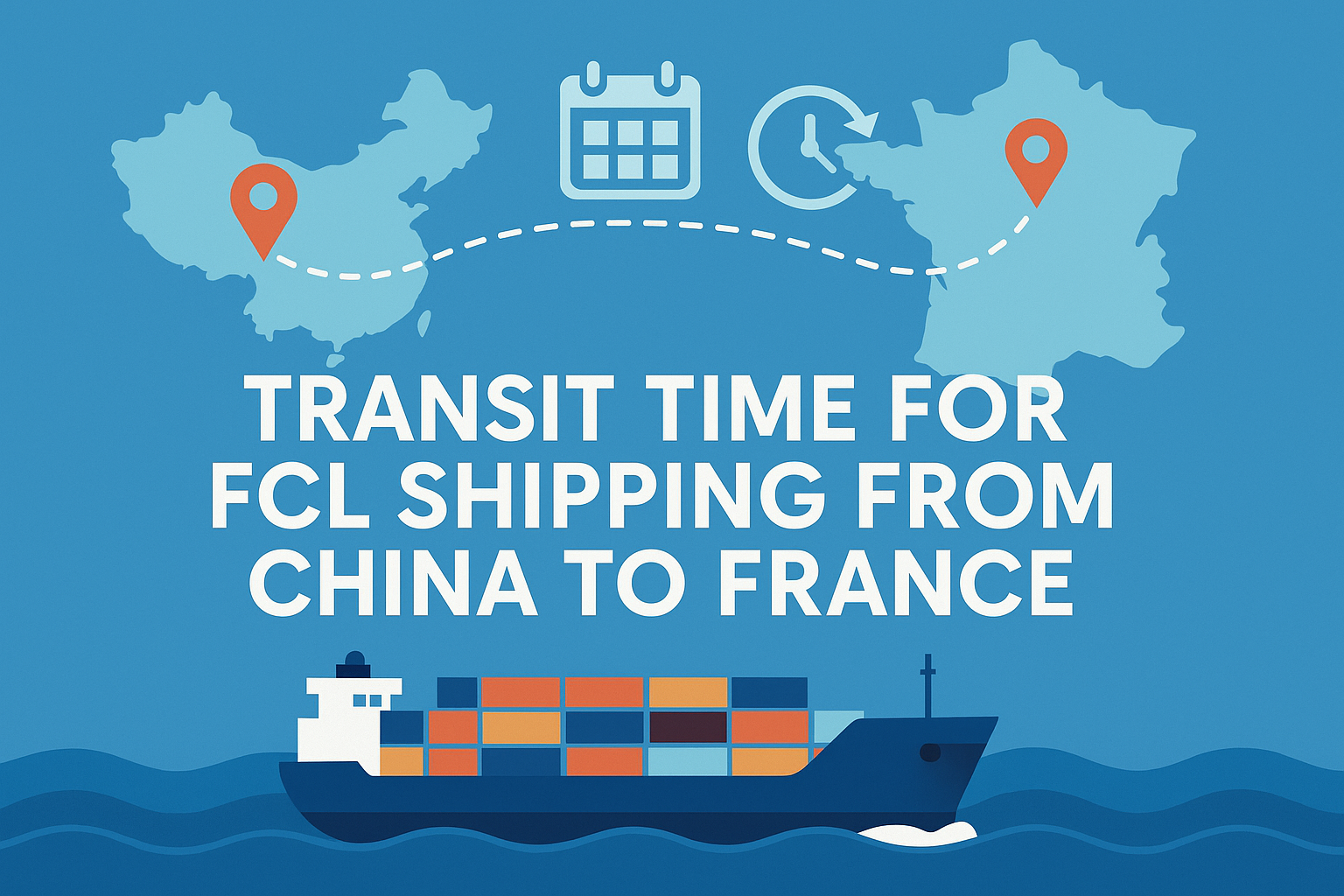
Although the transit time for FCL shipping from China to France varies widely by route, carrier selection, and port congestion, importers often struggle to predict reliable lead times. Therefore, this guide delivers a practical breakdown of voyage duration, customs timelines, and planning strategies—supported by insights from the team at Top China Freight—so businesses can achieve smooth and predictable China–France logistics.
What determines the transit time for FCL shipping from China to France?
Transit time depends on sailing frequency, carrier routing, weather conditions, and port workloads. Moreover, the distance between each China port and French gateways differs significantly. Because France-bound importers rely on accurate lead times for supply chain planning, understanding each variable becomes essential.
How do different China ports influence transit time?
China’s major export hubs—Shanghai, Ningbo, Shenzhen, and Qingdao—offer distinct sailing frequencies and route structures. Additionally, inland distance and truck/gate congestion affect the total timeline from factory to vessel CY.
Estimated China → France Voyage Duration by Port
China Port
France Port
Transit Time
Notes
Shanghai
Le Havre
27–34 days
Fastest + frequent direct services
Ningbo
Le Havre
29–36 days
Good balance of cost + reliability
Shenzhen
Marseille
30–38 days
Southern routes, stable options
Qingdao
Le Havre
32–40 days
Longer distance + indirect routing
Why does port congestion impact sea transit time?
Port congestion in Shanghai, Ningbo, or Le Havre can extend transit times by several days. Moreover, seasonal backlogs during Q3–Q4 peak season significantly delay vessel berthing. Because container vessels must wait for an anchorage slot, delays cascade into longer overall shipping time variations during peak season.
How much do sailing routes and carrier choices matter?
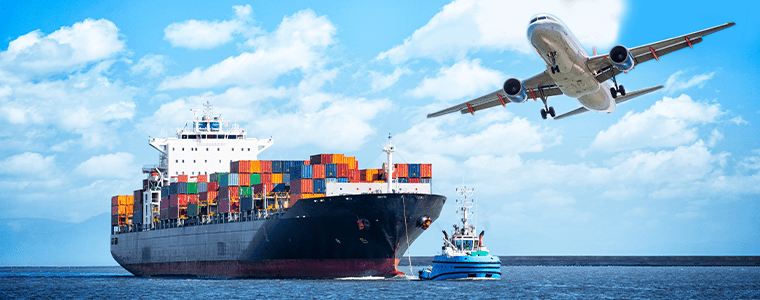
Different carriers operate different corridors: some offer direct China–France services, while others rely on transshipment in Singapore, Piraeus, or Rotterdam. Therefore, carrier selection directly affects total freight lead time for French importers.
Direct Route Advantages
Shorter voyage days
Fewer transshipment risks
More stable ETD/ETA updates
Indirect Route Advantages
Lower freight rates
More frequent sailings
Better equipment availability
Case Studies
Shanghai → Le Havre (Electronics + Machinery)
Cargo: Mixed electronics (36 CBM) and CNC parts (19 CBM) Transit Time: 28 days Route: Direct Shanghai–Le Havre Outcome: Because the importer selected a direct high-frequency service, the vessel maintained ETA with zero delays. Moreover, customs documents were fully compliant, allowing clearance within 24 hours.
Ningbo → Marseille (Furniture + Metal Fixtures)
Cargo: Full 40GP FCL (68 CBM) Transit Time: 34 days Route: Indirect via Singapore Outcome: Although routing included one transshipment, the importer saved 11% in freight cost. Furthermore, the timeline remained stable due to low congestion on the connecting leg.
How can Top China Freight help optimize transit time?
Top China Freight provides route comparison, schedule forecasting, and real-time ETA tracking. Additionally, our sea freight services include support for carrier selection, customs documentation, and factory coordination. Because stable transit planning enhances supply chain resilience, our team ensures your China–France FCL shipments stay predictable.
What is the typical end-to-end transit timeline from factory to France?
The total timeline includes factory loading, trucking to port, customs export clearance, voyage time, French import customs, and inland delivery. Because these steps vary by location, importers must plan buffer days.
Should shippers worry about customs clearance time in France?
Yes, because customs clearance timeline for French imports varies based on HS codes, documentation accuracy, and inspections. Moreover, shipments with sensitive products—electronics, machinery, or food-contact materials—may require technical document checks.
To simplify this step, importers commonly rely on professional customs brokerage solutions to maintain predictable clearance timing.
Conclusion
The transit time for FCL shipping from China to France depends on port selection, routing, carrier reliability, and customs clearance efficiency. Moreover, understanding each component of the timeline allows importers to plan stable supply chains with fewer delays. Therefore, businesses seeking predictable delivery outcomes should work with experienced logistics partners who can optimize schedules and manage compliance.
Request A Free Quote
Start shipping smarter with TopChinaForwarder today! 🚢✨ Request a Free Quote 📝 and get a tailored logistics plan built around your cargo and timeline.