
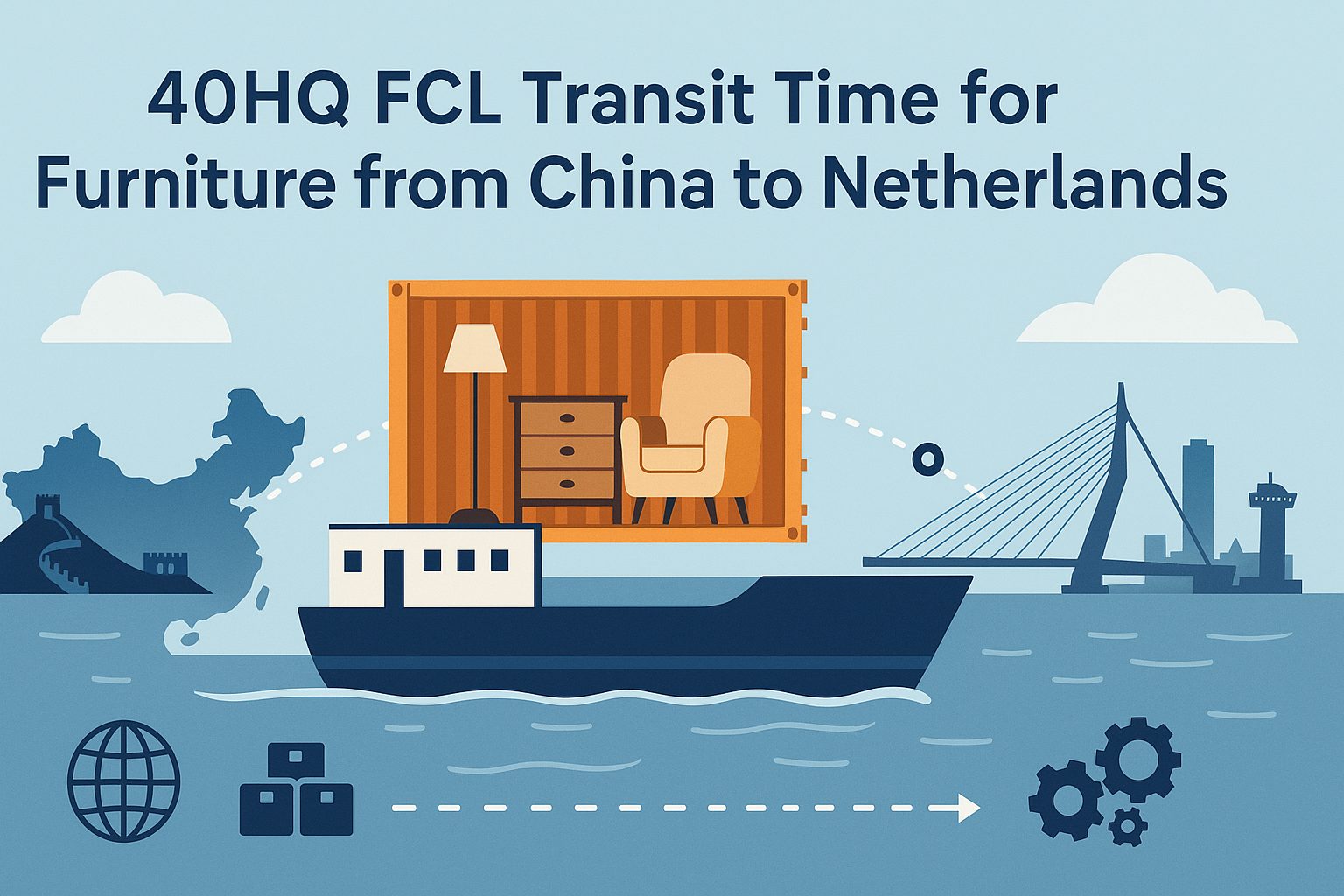
Although 40HQ FCL transit time for furniture from China to Netherlands appears predictable, many importers still face unexpected delays caused by port congestion, supplier readiness, and inconsistent documentation. Moreover, furniture shipments require optimized loading and route selection to stay on schedule. As you prepare your next shipment, experienced providers like Top China Freight help simplify planning by integrating routing, loading, and customs strategies into one workflow.

Why does 40HQ FCL transit time for furniture vary across China–Netherlands routes?
Transit time depends on origin port efficiency, carrier scheduling, and vessel routing. Moreover, furniture—especially bulky wooden or assembled items—takes longer to load and secure, which affects the overall timeline. Although the Netherlands offers efficient entry points, mainly Rotterdam and Amsterdam, the departure side often creates the most variation.
Key Influencing Factors
- Cut-off times at major China ports
- Carrier frequency for North Europe lanes
- Weather patterns across the North Sea
- Furniture loading complexity for 40HQ containers
- Transshipment versus direct sailing routes
Furthermore, seasonal shopping cycles in Europe increase demand for furniture imports, adding pressure to transit windows.
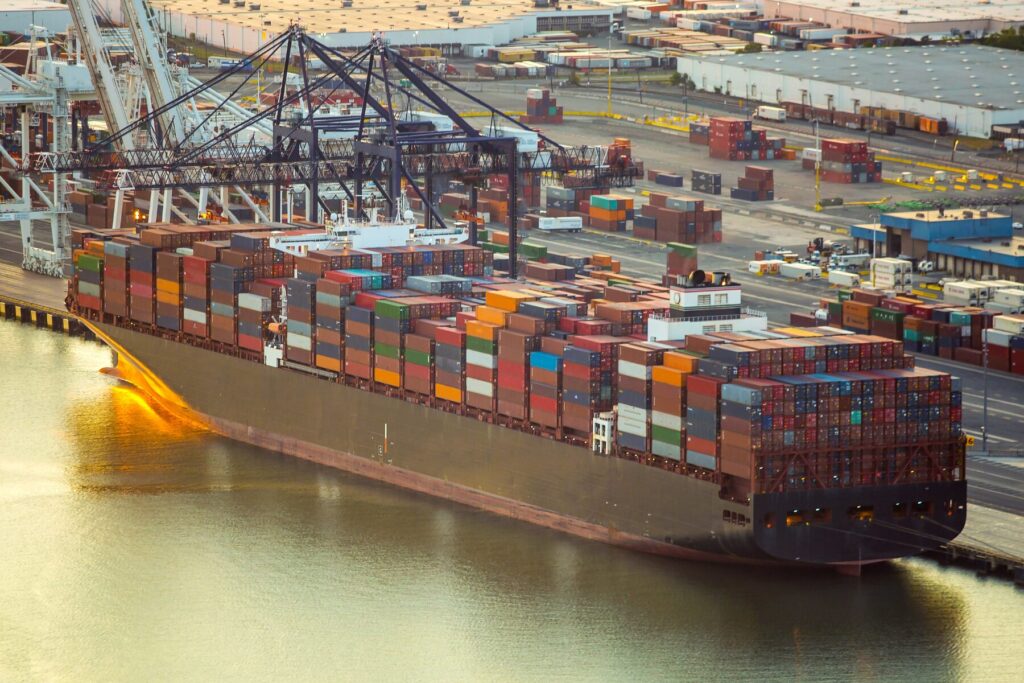
How do different China ports influence transit time to the Netherlands?
Because each major port offers unique schedules, transit times differ even under similar conditions. Moreover, choosing the right port often reduces delays by several days, especially when space shortages occur during peak seasons.
Estimated Transit Time by Origin Port
| Origin Port (China) | Estimated Transit Time to Netherlands | Notes |
|---|---|---|
| Shanghai | 30–36 days | Frequent direct sailings |
| Ningbo | 31–37 days | Strong Europe-bound capacity |
| Shenzhen | 32–40 days | Longer due to routing patterns |
| Qingdao | 33–41 days | Ideal for North China suppliers |
Additionally, the Netherlands typically offers faster port processing compared to other EU gateways, helping maintain schedule reliability after arrival.
What loading strategies help maintain stable 40HQ FCL transit time for furniture?
The Netherlands provides well-developed logistics infrastructure, making it a preferred entry point for EU-bound furniture. Moreover, Dutch ports connect seamlessly to both inland rail and truck networks, accelerating distribution to nearby markets.
Advantages of Netherlands Entry
- High-frequency vessel arrivals
- Advanced port automation
- Shorter customs clearance queues
- Easy access to Germany, Belgium, and France
- Competitive storage and handling fees
Furthermore, importers seeking faster distribution to regional warehouses often choose Rotterdam due to its central location.
How does customs readiness impact FCL transit time?
Although customs clearance happens on arrival, preparation must begin in China. Therefore, accurate documentation significantly reduces hold risks. Moreover, furniture often contains mixed materials—wood, metal, fabric—which require consistent labeling and documentation.
Essential Documents
- Commercial invoice
- Packing list
- HS code classification
- Bill of lading
- Timber/wood compliance documentation (if applicable)
- Factory origin details
Additionally, Dutch customs work efficiently when documentation is complete, allowing containers to move quickly to inland distribution centers.
Case Studies
Guangzhou → Rotterdam | Assembled Furniture
Cargo Type: Outdoor patio sets
Container: 40HQ
Mode: Direct sailing
Transit Time: 33 days
Outcome:
By consolidating all SKUs at a warehouse near Shenzhen port, the supplier reduced trucking delays. Moreover, reinforced loading eliminated the need for rework, ensuring a smooth departure before the carrier’s cut-off time.
Ningbo → Amsterdam | Mixed Wooden Furniture
Cargo Type: Bedroom and dining furniture
Container: 40HQ
Mode: Transshipment via Singapore
Transit Time: 38 days
Outcome:
Although the routing required a transshipment, early documentation review prevented delays during the connecting vessel’s loading window. Furthermore, humidity-control packaging minimized damage risk for wooden components.
How can route selection influence overall transit time to the Netherlands?
Although the Netherlands enjoys frequent direct sailings, different carriers use different routing patterns. Moreover, some routes include intermediate stops in Singapore, Malaysia, or the Middle East, which adds variability.
Comparison of Common Routing Options
| Routing Type | Transit Time | Pros | Cons |
|---|---|---|---|
| Direct China → Rotterdam | Fastest | Most predictable schedule | Higher demand, early booking needed |
| China → Singapore → Netherlands | Moderate | More weekly departure options | Longer travel time |
| China → Middle East → Netherlands | Longest | Flexible equipment availability | Higher risk of delay |
Furthermore, buyers moving high-value furniture often prefer direct lanes to maintain delivery commitments with retail partners.
How can freight partners help importers manage 40HQ FCL transit time?
Furniture supply chains require coordination across factories, trucking providers, storage facilities, and carriers. Therefore, experienced forwarders simplify the process by centralizing communication. Moreover, solution providers like Top China Freight offer additional services such as FCL & LCL consolidation and sea freight booking to enhance schedule reliability.
Additionally, continuous tracking and pre-alerts help importers adjust distribution plans before cargo arrives.
Should importers use multimodal solutions to improve schedule reliability?
Yes—particularly during peak seasons. Although ocean freight remains the main transport mode, multimodal combinations offer flexibility when sailing schedules become uncertain.
Reliable Multimodal Options
- Sea + Rail: Fast delivery from Rotterdam to major EU cities
- Sea + Truck: Ideal for furniture requiring specialized unloading
- Sea + Barge: Efficient for intra-Netherlands distribution
Furthermore, multimodal logistics reduce reliance on a single transport lane, improving resilience during disruptions.
Conclusion
In summary, managing 40HQ FCL transit time for furniture from China to Netherlands requires careful planning, optimized loading, and proactive coordination with carriers and suppliers. Moreover, selecting the proper route and preparing documentation early significantly improves schedule reliability. Because furniture shipments are sensitive to transit delays, partnering with an experienced forwarder ensures your supply chain remains both stable and cost-effective.
Request A Free Quote
Start shipping smarter with TopChinaForwarder today! 🚢✨ Request a Free Quote 📝 and get a tailored logistics plan built around your cargo and timeline.
FAQ:
How early should I book a 40HQ container for furniture shipments?
Booking 7–10 days in advance helps avoid equipment shortages and ensures stable sailings.
Do wooden furniture shipments require special documentation?
Many products need timber compliance certificates to satisfy EU import rules.
What reduces the risk of moisture damage during transit?
Use desiccants, moisture-barrier packaging, and ventilation-friendly loading methods.
How can I track my 40HQ furniture shipment?
Forwarders provide real-time updates including gate-in, departure, transshipment, and arrival.
Does furniture need special loading procedures?
Fragile or assembled pieces require weight balancing, internal bracing, and moisture protection.