
40HQ FCL sailing schedule for medical equipment from China to USA
Reliably managing the 40HQ FCL sailing schedule for medical equipment from China to USA is a cornerstone of a successful healthcare supply chain. Importers often face significant pressure to ensure life-saving devices arrive on time while maintaining strict cost controls. At Top China Freight, we specialize in navigating these complex logistics routes to provide seamless delivery solutions. This guide explores everything you need to know about container schedules, transit times, and strategic planning for your medical cargo.

Understanding the 40HQ FCL Sailing Schedule for Medical Equipment from China to USA
Sailing schedules for Full Container Load (FCL) shipments are determined by carrier rotations and port efficiency. Most major carriers offer weekly departures from primary Chinese hubs like Shanghai and Shenzhen. Consequently, understanding these cycles allows medical equipment distributors to align their production timelines with vessel cut-off dates.
Choosing a sea freight solution specifically for medical gear requires attention to detail regarding container cleanliness and security. The 40HQ container is particularly popular because it offers extra vertical space for bulky hospital beds or sensitive imaging machines. Furthermore, these containers provide a stable environment that minimizes the risk of damage during the long transpacific journey.

Carriers typically publish their schedules several weeks in advance to help shippers plan. However, these dates are subject to change due to weather conditions or port congestion in Southern California. Therefore, maintaining a buffer in your delivery timeline is essential for high-priority medical contracts.
Major Shipping Routes and Transit Times to North America
Transit times vary significantly depending on whether your destination is the US West Coast or the East Coast. Shipping to Los Angeles or Long Beach usually takes between 14 to 22 days from Central China. In contrast, routes to Savannah or New York via the Panama Canal can take 30 to 40 days.
Direct services are the preferred choice for North America shipments involving healthcare products. While transshipment through Busan or Kaohsiung might offer slight cost savings, it increases the risk of delays and cargo handling errors. Most professional importers prioritize speed and reliability over marginal discounts when dealing with diagnostic equipment.
Regional differences in China also impact the departure schedule. Ports in the Pearl River Delta, such as Yantian, have different carrier alliances than those in the Yangtze River Delta like Ningbo. Accordingly, your choice of loading port should be based on the proximity to your manufacturer to reduce inland haulage costs.
| Departure Port | Destination Port | Average Transit Time | Service Type |
|---|---|---|---|
| Shanghai | Los Angeles | 16-18 Days | Direct |
| Shenzhen | Long Beach | 14-17 Days | Direct |
| Ningbo | New York | 32-38 Days | Panama Canal |
| Qingdao | Savannah | 35-42 Days | Suez/Panama |
Why the 40HQ Container is Ideal for Medical Devices
The 40-foot High Cube (40HQ) container offers an additional foot of height compared to standard 40GP units. This extra space is vital for medical equipment that cannot be tilted or stacked, such as MRI components or large-scale laboratory analyzers. Moreover, the increased volume allows for better airflow and pallet arrangement, which is critical for temperature-sensitive non-refrigerated goods.
FCL shipping ensures that your medical devices are not co-loaded with hazardous materials or incompatible cargo from other shippers. This exclusivity reduces the chance of contamination and streamlines the unloading process at the destination. Additionally, the seal on an FCL container remains intact from the factory to the warehouse, enhancing security for high-value assets.
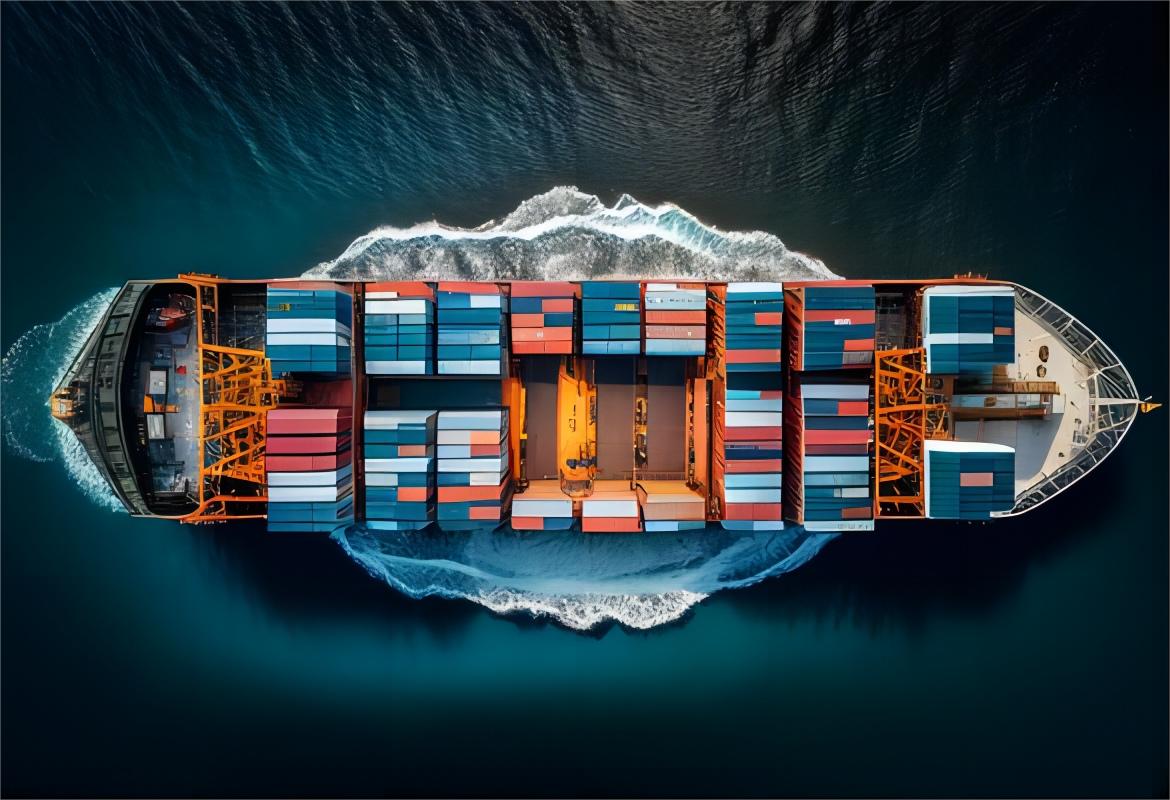
Utilizing a door to door service with 40HQ containers simplifies the logistics chain significantly. This approach integrates trucking, ocean freight, and final delivery into a single managed process. Consequently, medical facilities can receive their equipment without having to coordinate multiple logistics providers.
How Does 40HQ FCL Compare to Other Shipping Options?
Evaluating different transport modes is necessary to balance urgency and budget constraints. While 40HQ FCL is the most cost-effective for large volumes, it is not always the fastest. For urgent replacement parts or small diagnostic kits, air freight remains the superior choice despite its much higher price point.
Comparison between FCL and Less than Container Load (LCL) shows that FCL is generally safer for fragile medical electronics. LCL involves more handling at consolidation warehouses, which increases the likelihood of vibration-related damage. Furthermore, FCL shipments often clear customs faster because they do not depend on the documentation of other shippers in the same box.
Hybrid solutions like sea-air are also gaining traction for shipments to the inland USA. Cargo might arrive at a West Coast port and then be moved via expedited rail or air to the final destination. This strategy offers a middle ground between the slow ocean route and the expensive direct air route.
| Method | Cost Range (USD) | Transit Time | Best For |
|---|---|---|---|
| 40HQ FCL | $3,500 – $5,500 | 15-35 Days | Bulk equipment |
| Air Freight | $15,000 – $25,000 | 3-7 Days | Urgent/High-value |
| LCL | $50 – $150 per CBM | 20-40 Days | Small batches |
| Sea-Air | $8,000 – $12,000 | 10-15 Days | Mid-range urgency |
Which Option Should You Choose?
Decision-making for medical logistics should prioritize the nature of the cargo and the required delivery date. If you are shipping 20 or more pallets of hospital furniture, the 40HQ FCL is undoubtedly the most economical and secure method. However, if the shipment contains sensitive reagents with a short shelf life, air transport is mandatory.
Budget priorities often dictate the choice of the 40HQ FCL sailing schedule for medical equipment from China to USA. For non-urgent restocking of consumables like syringes or PPE, slow steaming ocean services can save thousands of dollars. On the other hand, for a new hospital opening, the reliability of a premium direct ocean service is worth the extra cost.
Volume thresholds play a major role in the FCL vs LCL debate. Once your cargo exceeds 15 cubic meters, the cost of a full 20-foot container often becomes cheaper than LCL. For larger volumes exceeding 30 cubic meters, the 40HQ becomes the standard unit of efficiency for the transpacific trade.
Navigating Customs and Compliance for Medical Goods
Clearing US Customs for medical equipment requires meticulous documentation and adherence to FDA regulations. Every shipment must have an accurate commercial invoice, packing list, and a bill of lading. Furthermore, the importer must provide the correct FDA product codes and registration numbers for the manufacturer.
Engaging a professional customs brokerage service is highly recommended to avoid costly storage fees at the port. Customs officers often inspect medical shipments to ensure they meet safety standards and are not counterfeit. Therefore, having all technical specifications and certificates of origin ready can expedite the release process.
Importers should also be aware of the Section 301 tariffs that may apply to certain medical products manufactured in China. These additional duties can significantly impact the total landed cost of your shipment. Consequently, consulting with a logistics expert early in the procurement phase helps in calculating an accurate landed cost.
Case Study 1: Shipping MRI Machines from Shanghai to Long Beach
Route: Shanghai, China to Long Beach, USA. Cargo: MRI Machine components, 58 CBM, 12,500 kg. Container: 40HQ FCL. Shipping Details: Direct service via a major carrier. Port of Loading: Shanghai (Yangshan). Port of Discharge: Long Beach. Cost Breakdown: Ocean Freight: $4,200. Origin Charges: $450. Destination Charges: $600. Customs and Duties: $1,800. Total Landed Cost: $7,050. Timeline: Booking to Loading: 5 days. Sea Transit: 16 days. Customs Clearance: 3 days. Total Door-to-Door: 24 days. Key Insight: Using a 40HQ allowed the oversized components to fit without disassembly, reducing on-site installation time in the USA. Based on Q4 2024 market rates.
Case Study 2: Hospital Bed Distribution from Ningbo to Savannah
Route: Ningbo, China to Savannah, USA. Cargo: 80 Adjustable hospital beds, 65 CBM, 8,000 kg. Container: 40HQ FCL. Shipping Details: Transshipment via Panama Canal. Port of Loading: Ningbo. Port of Discharge: Savannah. Cost Breakdown: Ocean Freight: $5,800. Origin Charges: $400. Destination Charges: $750. Customs and Duties: $2,200. Total Landed Cost: $9,150. Timeline: Booking to Loading: 7 days. Sea Transit: 34 days. Customs Clearance: 4 days. Total Door-to-Door: 45 days. Key Insight: Planning the 40HQ FCL sailing schedule for medical equipment from China to USA two months in advance helped the client avoid peak season surcharges. Typical rates as of early 2025.
Cost-Saving Strategies for Medical Equipment Importers
Consolidating orders from multiple suppliers into a single 40HQ container can dramatically reduce your per-unit shipping cost. Instead of paying for multiple LCL shipments, you can use a local warehouse in China to gather goods before loading the FCL unit. Additionally, negotiating annual volume contracts with freight forwarders can provide stability in a volatile market.
Choosing the right incoterms is another critical factor in controlling expenses. While CIF (Cost, Insurance, and Freight) might seem convenient, FOB (Free on Board) gives the importer more control over the ocean carrier and the final price. Moreover, avoiding ‘General Rate Increases’ (GRI) by booking shipments during the middle of the month can lead to significant savings.
Freight rates are subject to change based on fuel costs, carrier capacity, and seasonal demand. Contact us for a current quote tailored to your specific shipment. Market data suggests that rates typically stabilize in the second quarter, providing a window for cost-effective bulk shipping.
Summary of Shipping Medical Equipment via 40HQ FCL
Successfully navigating the 40HQ FCL sailing schedule for medical equipment from China to USA involves balancing transit times, costs, and compliance. By choosing the right container type and loading port, importers can protect their high-value cargo while maintaining efficiency. Remember that direct routes to the West Coast offer the fastest transit, while East Coast routes provide better access to major inland distribution hubs.
The 40HQ container remains the gold standard for medical logistics due to its volume and security benefits. As market conditions evolve in 2025, staying informed about carrier schedules and customs regulations will remain vital. Partnering with an experienced freight forwarder like Top China Freight ensures that your medical equipment reaches its destination without unnecessary delays or expenses.
Ready to streamline your logistics?
Managing the 40HQ FCL sailing schedule for medical equipment from China to USA requires a partner with deep industry expertise. Whether you are shipping sensitive diagnostic tools or bulk hospital supplies, our team ensures your cargo arrives safely and on schedule. Contact Top China Freight today to receive a customized quote and streamline your medical supply chain. Visit our website to Send Inquiry and start your shipment journey now.
Request Quote