
40HQ FCL Insurance for Lighting from China to Savannah: Your Complete Guide
Importing lighting fixtures from China to Savannah, Georgia, involves a complex logistics chain. Ensuring your valuable 40HQ FCL lighting cargo is protected throughout its journey is paramount. This guide from Top China Freight explores essential aspects of shipping and, crucially, securing adequate insurance for your investment.
Understanding 40HQ FCL for Lighting Shipments to Savannah
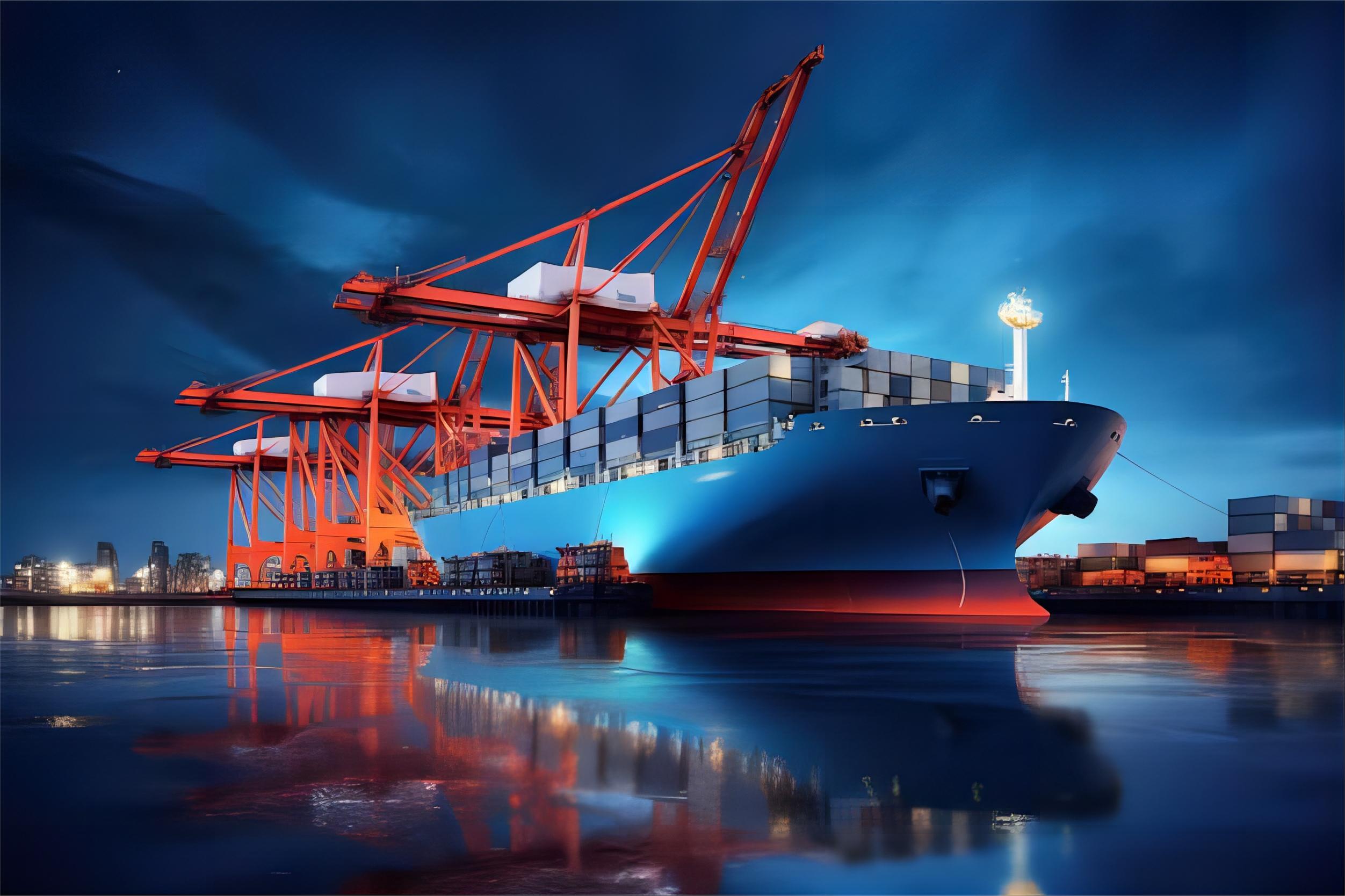
Shipping a 40HQ (40-foot high cube) Full Container Load (FCL) from China to Savannah is a common method for businesses importing large volumes of goods, especially lighting fixtures. A 40HQ container offers significant capacity, approximately 76 cubic meters, making it cost-effective for bulk transport.
Choosing FCL means your cargo occupies the entire container, thus reducing handling and potential damage compared to Less than Container Load (LCL). This direct method is particularly beneficial for fragile or high-value items like lighting, ensuring a dedicated space for your products.
Furthermore, direct FCL shipments often lead to faster transit times and less complexity at the destination port. This streamlined process helps maintain the integrity of your supply chain for lighting imports into the USA.

Why Cargo Insurance is Crucial for Your 40HQ FCL Lighting Shipment
Protecting your investment is non-negotiable when shipping valuable lighting fixtures across oceans. Despite meticulous planning, unforeseen events like accidents, natural disasters, or theft can occur during transit from China to Savannah. Adequate cargo insurance safeguards against these financial losses.
Without proper insurance, you bear the full financial risk of any damage or loss, potentially impacting your business’s profitability and inventory. Therefore, comprehensive coverage is a fundamental aspect of responsible international trade, ensuring peace of mind for importers.
Moreover, the liability of carriers is often limited, typically based on weight or package count, which is usually far less than the actual value of lighting products. This limitation underscores the critical need for independent cargo insurance to cover the true value of your goods.
Types of Marine Cargo Insurance for Lighting
Several types of marine cargo insurance are available, each offering different levels of protection. Understanding these options is vital for selecting the right policy for your 40HQ FCL lighting shipment. Key considerations include the scope of coverage and specific perils insured.
Firstly, ‘All-Risk’ coverage is the most comprehensive, covering most types of loss or damage, subject to specific exclusions. This is generally recommended for valuable and fragile goods like lighting fixtures. It offers broad protection against a wide array of potential issues during transit.
Conversely, ‘Named Perils’ or ‘Free of Particular Average (FPA)’ policies cover only specific, listed events like collision, stranding, or fire. While less expensive, these policies provide significantly less protection, leaving many common risks uninsured. Evaluating your risk tolerance is crucial here.
What Does All-Risk Insurance Cover for Lighting Imports?
All-Risk insurance, despite its name, does not cover absolutely everything, but it offers the broadest protection for your 40HQ FCL lighting from China to Savannah. It generally covers external causes of loss or damage, such as theft, non-delivery, rough handling, and some natural disasters.
However, it typically excludes losses due to inherent vice (e.g., product defects), inadequate packaging, war, strikes, or political unrest. Therefore, discussing specific exclusions with your insurer is essential to fully understand your coverage. Always review the policy details thoroughly.
Furthermore, some policies can be extended to include coverage for general average, which is a maritime law principle where all parties in a sea venture proportionally share any sacrifices or expenses made to save the entire cargo. This extension is particularly important for FCL shipments.
Navigating the Shipping Process from China to Savannah
Shipping your 40HQ FCL lighting from China to Savannah involves several critical stages, from booking to final delivery. Each step requires careful attention to detail to ensure a smooth and efficient transit. A reliable freight forwarder can significantly simplify this process.
Initially, selecting the right port of loading in China, such as Shanghai, Ningbo, or Shenzhen, is important for optimizing transit times and costs. Subsequently, coordinating with the factory for timely container loading and customs declaration is vital for avoiding delays.

Upon arrival at the Port of Savannah, your shipment will undergo customs clearance, drayage, and finally, delivery to your specified warehouse. Understanding each phase helps manage expectations and mitigate potential issues along the supply chain. Consider our comprehensive door-to-door service for maximum convenience.
Key Steps in FCL Shipping to Savannah
The journey for your 40HQ FCL lighting begins with booking the container and vessel space. Following this, the container is transported to the factory for loading, a process known as ‘factory stuffing.’ Proper loading and securing of lighting fixtures are crucial for preventing damage.
After loading, the container is sealed and transported to the port of loading, where it clears Chinese customs and awaits vessel departure. During this phase, all export documentation must be accurate and complete to avoid hold-ups. This includes the Bill of Lading and commercial invoice.
Upon arrival in Savannah, the container is unloaded, and customs brokerage handles the import clearance process. Finally, the container is drayed to its ultimate destination, completing the logistics chain. Each step is meticulously managed by experienced forwarders.
Essential Documentation for Lighting Imports
Accurate and complete documentation is paramount for seamless import of 40HQ FCL lighting from China to Savannah. Key documents include the Commercial Invoice, Packing List, and Bill of Lading. These provide details about the goods, their packaging, and the shipping contract.
Moreover, a Certificate of Origin may be required to determine the goods’ country of manufacture and applicability of tariffs. For lighting products, compliance certificates (e.g., UL, CE, RoHS) might also be necessary, depending on the product type and US regulations.
An insurance certificate is also vital, serving as proof of coverage for your cargo. Missing or incorrect documentation can lead to significant delays, fines, and storage charges at the port. Therefore, meticulous preparation is non-negotiable for efficient import operations.
How Does FCL Sea Freight Compare to Other Shipping Options?
While 40HQ FCL sea freight is often the most suitable option for bulk lighting imports, exploring alternatives helps contextualize its advantages and limitations. Understanding various shipping methods allows businesses to make informed decisions based on specific needs. Different scenarios demand different logistical solutions.
For instance, urgent smaller shipments might benefit from air freight, despite its higher cost. Conversely, larger volumes consistently favor sea freight due to its economic efficiency. Therefore, a careful analysis of your cargo’s characteristics and delivery timelines is always recommended for optimal logistics.
| Shipping Method | Cost Range (40HQ Equivalent) | Transit Time (China to Savannah) | Best For | Limitations |
|---|---|---|---|---|
| FCL Sea Freight (40HQ) | $4,500 – $6,000 | 30-35 days | Large volume, non-urgent, cost-sensitive lighting | Slowest transit time |
| LCL Sea Freight | $80-120/CBM | 35-45 days | Small volume, non-urgent, flexible lighting orders | More handling, longer transit, higher per CBM if volume grows |
| Air Freight | $15,000 – $25,000 (equivalent) | 5-7 days | Urgent, high-value, low-volume lighting, samples | Very high cost, volume/weight restrictions |
FCL vs. LCL: When to Choose Which
FCL (Full Container Load) is ideal for shippers with enough cargo to fill an entire container, like a 40HQ for lighting. It offers dedicated space, faster transit due to fewer stops, and less handling, reducing the risk of damage. For high-value or fragile lighting, FCL is often preferred.
In contrast, LCL (Less than Container Load) is suitable for smaller shipments that don’t require a full container. Your cargo shares space with other shippers’ goods, which can be more cost-effective for smaller volumes. However, LCL typically involves more handling and longer transit times due to consolidation and deconsolidation processes.
For lighting, if your volume exceeds approximately 15-20 CBM, FCL generally becomes more economical per cubic meter. For smaller volumes, LCL can be a viable option, but the added handling risk for delicate lighting must be carefully weighed against cost savings.
Sea Freight vs. Air Freight: Speed vs. Cost
Sea freight, particularly FCL, is the most cost-effective option for shipping heavy or bulky lighting from China to Savannah. While offering lower freight rates, it comes with significantly longer transit times, typically 30-35 days for this specific route. This method is best for planned, non-urgent inventory.
Air freight, on the other hand, provides much faster transit, usually 5-7 days, making it ideal for urgent orders, samples, or high-value, low-volume lighting. However, air freight costs are substantially higher, often 5-10 times more than sea freight for comparable volume or weight.
Choosing between sea and air freight depends critically on your budget, urgency, and the nature of your lighting products. For regular stock replenishment of 40HQ FCL lighting, sea freight remains the standard and most economical choice.
Cost Factors and Optimizing Your 40HQ FCL Shipment
Several factors contribute to the overall cost of a 40HQ FCL lighting shipment from China to Savannah. Understanding these components allows importers to better budget and identify areas for cost optimization. Freight rates are dynamic and influenced by various market conditions.
Market data suggests that freight rates can fluctuate significantly based on peak seasons, fuel surcharges, and carrier capacity. For example, rates typically increase 15-25% during August-October peak season, leading up to holiday sales. Therefore, planning shipments strategically can yield substantial savings.
Moreover, effective management of your supply chain and choosing the right Incoterms can significantly impact the total landed cost of your lighting products. Always consider the full scope of expenses, not just the ocean freight component.
Breakdown of 40HQ FCL Shipping Costs
The total cost for your 40HQ FCL lighting shipment involves more than just the ocean freight. Key components include origin charges (e.g., terminal handling, documentation, drayage to port), ocean freight itself, and destination charges (e.g., terminal handling, customs clearance fees, drayage from port).
Additionally, customs duties and taxes, determined by the Harmonized System (HS) codes of your lighting products, will apply upon import into the USA. Insurance premiums also constitute a small but vital part of the overall cost. These cumulative expenses define your total landed cost.
As of Q1 2025, typical rates for a 40HQ from major Chinese ports to Savannah range from $4,500-$6,000 for ocean freight. Origin and destination charges can add another $1,000-$2,000, depending on the specific services required. Note: Freight rates are subject to change based on fuel costs, carrier capacity, and seasonal demand. Contact us for a current quote tailored to your specific shipment.
Strategies to Reduce FCL Shipping Costs for Lighting
Optimizing your 40HQ FCL lighting shipping costs requires strategic planning and collaboration with your freight forwarder. One effective strategy is to consolidate orders to maximize container utilization, ensuring you’re not paying for empty space. Efficient packaging also contributes to this.
Furthermore, booking well in advance, especially outside of peak seasons, can often secure better rates. Negotiating favorable Incoterms with your supplier, such as FOB (Free On Board), gives you more control over the main freight costs and choice of carrier.
Working with an experienced freight forwarder who can leverage their network for competitive rates and advise on the most efficient routes is also crucial. They can help navigate potential pitfalls and ensure a cost-effective shipping to North America strategy.
Real-World Scenarios: 40HQ FCL Lighting Shipments to Savannah
Examining real-world examples helps illustrate the practicalities and challenges of shipping 40HQ FCL lighting from China to Savannah. These case studies highlight typical costs, transit times, and key insights gained from actual shipments. Each scenario presents unique logistical considerations.
Based on Q3 2024 market rates, these examples provide a realistic snapshot of what importers can expect. They demonstrate the importance of meticulous planning and robust risk management, including securing adequate cargo insurance for valuable lighting goods.
Case Study 1: Commercial LED Lighting for a New Development
| Detail | Value |
|---|---|
| Route | Shanghai, China -> Savannah, USA |
| Cargo | Commercial LED Panel Lights, 65 CBM, 15,000 kg |
| Container | 40HQ FCL |
| Shipping Details | Carrier: COSCO, Port of Loading: Shanghai, Port of Discharge: Savannah, Route Type: Direct |
| Cost Breakdown | Ocean Freight: $5,200, Origin Charges: $450, Destination Charges: $800, Customs & Duties (estimated): $1,800, Total Landed Cost: $8,250 |
| Timeline | Booking to Loading: 7 days, Sea Transit: 32 days, Customs Clearance: 3 days, Total Door-to-Door: 45 days |
| Key Insight | Smooth customs clearance due to pre-filed ISF and accurate product classification. Insurance provided peace of mind for high-value LED panels. |
Case Study 2: Retail Decorative Lighting Inventory Replenishment
| Detail | Value |
|---|---|
| Route | Ningbo, China -> Savannah, USA |
| Cargo | Decorative Pendant Lights & Chandeliers, 70 CBM, 12,000 kg |
| Container | 40HQ FCL |
| Shipping Details | Carrier: MSC, Port of Loading: Ningbo, Port of Discharge: Savannah, Route Type: Transshipment via Busan |
| Cost Breakdown | Ocean Freight: $4,800, Origin Charges: $500, Destination Charges: $950, Customs & Duties (estimated): $2,100, Total Landed Cost: $8,350 |
| Timeline | Booking to Loading: 10 days, Sea Transit: 38 days, Customs Clearance: 4 days, Total Door-to-Door: 55 days |
| Key Insight | Transshipment route offered slightly lower freight, but added 6 days to transit. Proactive communication with the freight forwarder managed expectations during transit. Cargo insurance covered a minor damage claim for one carton. |
Case Study 3: Specialized Outdoor Lighting Project
| Detail | Value |
|---|---|
| Route | Shenzhen, China -> Savannah, USA |
| Cargo | Waterproof Outdoor Fixtures, 72 CBM, 18,000 kg |
| Container | 40HQ FCL |
| Shipping Details | Carrier: Maersk, Port of Loading: Shenzhen, Port of Discharge: Savannah, Route Type: Direct |
| Cost Breakdown | Ocean Freight: $5,500, Origin Charges: $600, Destination Charges: $1,100, Customs & Duties (estimated): $2,300, Total Landed Cost: $9,500 |
| Timeline | Booking to Loading: 8 days, Sea Transit: 30 days, Customs Clearance: 2 days, Total Door-to-Door: 42 days |
| Key Insight | Expedited customs clearance due to pre-approved C-TPAT status. Q4 peak season rates were 10% higher than off-peak. Robust packaging and insurance were critical for fragile components. |
Choosing the Right Freight Forwarder for Your Lighting Imports
Selecting a knowledgeable and reliable freight forwarder is paramount for successful 40HQ FCL lighting imports from China to Savannah. An experienced partner can navigate the complexities of international logistics, customs regulations, and insurance requirements. Their expertise is invaluable for streamlining your supply chain.
Look for a forwarder with a strong track record in China-USA routes and specific experience with lighting or fragile cargo. They should offer transparent pricing, clear communication, and robust customer support. Ultimately, a good freight forwarder becomes an extension of your logistics team.
Furthermore, an effective forwarder can advise on optimal routes, consolidate shipments if needed, and manage all necessary documentation. This comprehensive support minimizes risks and ensures timely delivery of your valuable lighting products. We offer expertise in all these areas.
Which Option Should You Choose for Your Lighting Shipments?
Deciding on the best shipping and insurance strategy for your 40HQ FCL lighting from China to Savannah depends on your specific business priorities. There is no one-size-fits-all solution; instead, a tailored approach based on your needs will yield the best results. Consider these criteria for an informed decision.
Carefully evaluate the trade-offs between cost, speed, and risk for each shipment. This allows you to select the most appropriate method and insurance coverage for your unique circumstances. Ultimately, aligning logistics with business objectives is key.
Decision Framework for Importers
**Budget Priority:** If minimizing shipping costs is your primary concern, FCL sea freight with a standard ‘All-Risk’ marine cargo insurance policy is recommended. This offers the best balance of cost-effectiveness and comprehensive protection for your lighting fixtures.
**Speed Priority:** For urgent orders or time-sensitive product launches, a combination of air freight for smaller, critical components and FCL sea freight for bulk inventory might be ideal. Alternatively, consider premium FCL services with guaranteed transit times, albeit at a higher cost.
**Cargo Type Considerations:** For extremely fragile or high-value lighting, FCL is always preferred due to reduced handling. Invest in robust packaging and consider specialized ‘All-Risk’ insurance with extended coverage for specific perils. Always ensure your insurance policy matches the inherent risks of your cargo.
**Volume Thresholds:** For lighting shipments consistently exceeding 15-20 CBM, a 40HQ FCL is almost always more economical than LCL. If your volume fluctuates, consider a flexible freight forwarder who can advise on switching between FCL and LCL based on current order sizes. This adaptability helps optimize costs.
Secure Your Lighting Imports with Confidence
Successfully importing 40HQ FCL lighting from China to Savannah requires a strategic approach to logistics, cost management, and, critically, cargo insurance. Understanding the shipping process, evaluating different freight options, and choosing the right insurance policy are all vital steps.
By partnering with an experienced freight forwarder and investing in comprehensive coverage, you can mitigate risks and ensure the smooth delivery of your valuable lighting products. Ultimately, proactive planning secures your supply chain and protects your bottom line for every 40HQ FCL lighting shipment.
Start Your Shipment
Ready to secure your next 40HQ FCL lighting shipment from China to Savannah? Our experts are here to provide tailored logistics solutions and comprehensive insurance options. Contact us today for a personalized quote and ensure your cargo arrives safely and on time. Send Inquiry: info@Top China Freight.net
Request Quote