
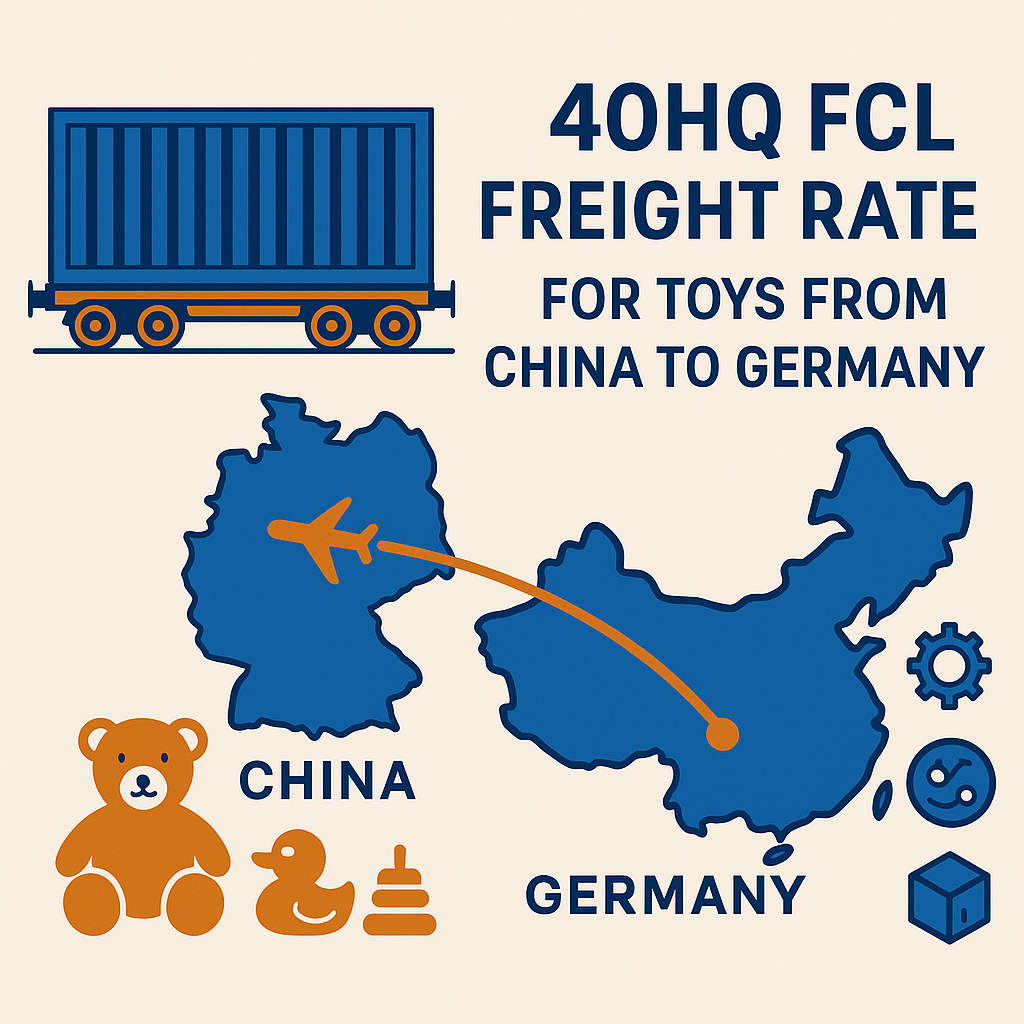
Although the 40HQ FCL freight rate for toys from China to Germany remains one of the most important cost indicators for European toy importers, many businesses still struggle to predict seasonal changes and navigate documentation requirements. Therefore, this guide explains the major cost drivers, operational steps, and optimization strategies importers can apply today. For companies seeking expert support, Top China Freight offers practical solutions through its official homepage.
What Determines the 40HQ FCL Freight Rate for Toy Shipments?
Toy importers face dynamic freight markets, and understanding cost elements helps them maintain predictable supply chain budgets. Moreover, factors such as route selection, port congestion, carrier surcharges, and China-to-Europe fuel adjustments significantly influence pricing. When importers track these variables consistently, they gain more confidence in their long-term logistics planning.
Core Components of FCL Freight Calculation
Toy cargo freight calculation involves base ocean rates, surcharges, handling fees, and inland transport to Germany. Additionally, seasonal surges—especially before Christmas—can impact both shipping time and overall freight rates. Because toys often ship in large SKUs and pallets, optimizing packaging and container utilization also contributes to more competitive pricing.
How Do Transit Routes Affect Freight Costs From China to Germany?
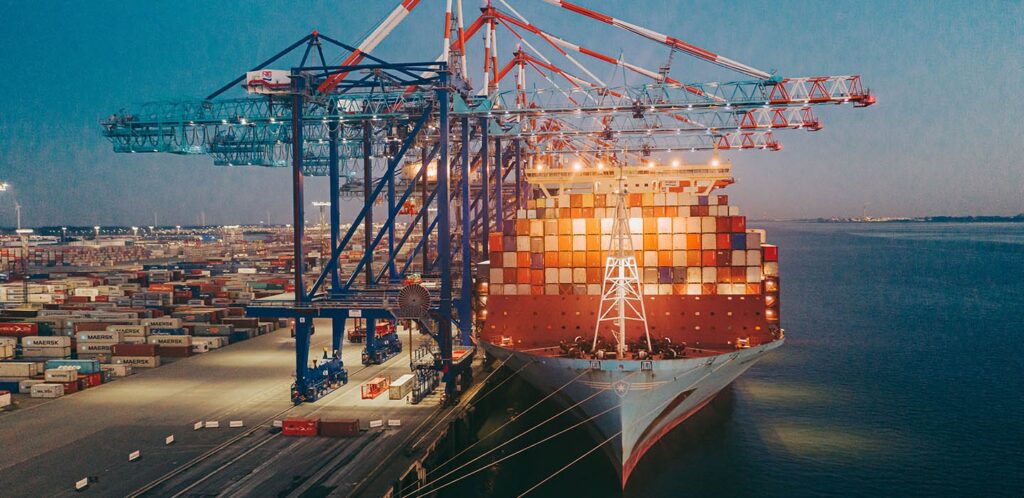
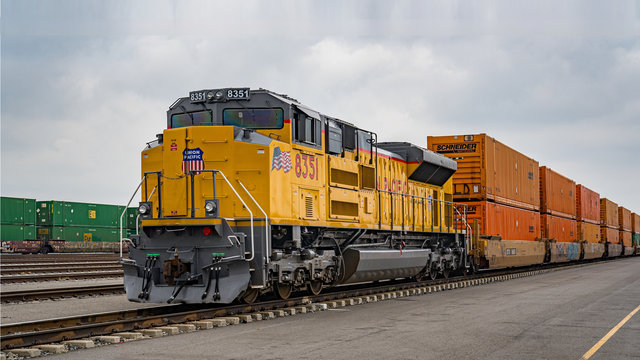
Transit routes shape the overall cost structure because each port corridor has different handling fees, rail connectivity, and congestion tendencies. Therefore, choosing the right routing—from Shenzhen, Ningbo, or Qingdao to Hamburg or Bremerhaven—directly impacts cost and transit reliability.
Comparing Popular Route Options
Below is a simplified comparison table showing how transit times and cost ranges may differ:
Route Comparison for Toy Shipments (40HQ FCL)
| China Origin | Germany Gateway | Transit Time | Cost Influence |
|---|---|---|---|
| Shenzhen | Hamburg | 30–35 days | Stable, strong weekly schedules |
| Ningbo | Bremerhaven | 32–38 days | Slightly higher cost due to demand |
| Qingdao | Hamburg | 33–40 days | Competitive, moderate congestion |
These options allow importers to match shipping time expectations with realistic freight budgets.
What Documentation Is Required for Toy Imports Into Germany?
Toy shipments for Germany must meet EU toy safety compliance requirements, customs policies, and import inspection standards. Since missing documents can cause delays, importers should collect and validate all files before cargo departs China.
Essential Documentation Checklist
Toy Import Documentation Overview
| Document | Purpose | Importance |
|---|---|---|
| Commercial Invoice | Customs entry | Must align with product list |
| Packing List | Cargo verification | Required for HS code validation |
| Bill of Lading | Shipment control | Needed for cargo release |
| CE Certificate | EU compliance | Mandatory for most toy categories |
| Test Reports | Safety and quality | Critical for battery/electronic toys |
| Importer EORI No. | EU clearance | Required for German customs |
Although documentation seems straightforward, ensuring accuracy prevents delays and additional port storage fees. Moreover, early preparations simplify coordination across the supply chain.
How Does Seasonal Demand Influence 40HQ Freight Rate for Toys?
Toy shipments peak between August and November, and freight rates often increase because of limited vessel space and equipment shortages. Therefore, importers should forecast demand early and secure bookings weeks ahead.
Additionally, seasonal freight rate fluctuation analysis helps companies anticipate changes and prepare alternative schedules. When planned properly, importers reduce the risk of last-minute surcharges and transit delays.
Case Studies
Shenzhen to Hamburg (40HQ Toys)
Route: Shenzhen → Hamburg
Cargo: Mixed plastic toys, 1×40HQ
Volume/Weight: Full load, 23 tons
Transit Time: 31 days sea + 1 day truck
Rate Range: USD 3,900–4,450
Challenge: CBM waste due to inefficient palletizing
Solution: Container loading optimization improved space usage
Outcome: Saved ~12% freight cost despite peak season
Ningbo to Bremerhaven (Battery Toys)
Route: Ningbo → Bremerhaven
Cargo: Electronic battery-powered toys
Volume/Weight: 21 tons, 40HQ
Transit Time: 34 days sea + 2 days truck
Rate Range: USD 4,150–4,780
Challenge: Risk of customs delay for battery products
Solution: Full CE documentation + test reports submitted early
Outcome: Container released within same day, zero storage fees
Which Cost Breakdown Should Importers Evaluate?
Toy importers need a full breakdown of potential charges to prepare accurate shipping budgets.
Cost Breakdown for a 40HQ FCL Toy Shipment (Reference Only)
| Cost Category | Description | Importer Impact |
|---|---|---|
| Ocean Freight | Base 40HQ rate | High |
| Terminal Handling Charges | Port loading/unloading | Medium |
| Customs Clearance | CE check, HS validation | Medium |
| Trucking/Rail | Inland Germany delivery | High |
| Documentation Fees | B/L, certificates | Low |
| Seasonal Surcharges | PSS, equipment charge | High |
Because each element influences the final cost, importers should evaluate all components before finalizing orders.
Should Importers Use an Integrated Logistics Partner?
Although self-managing each logistics step seems feasible, integrated logistics saves time and improves coordination. Because toy shipments often involve multiple suppliers, safety tests, and tight deadlines, relying on experienced freight providers ensures fewer mistakes.
Moreover, Top China Freight supports end-to-end planning, including sea freight, customs files, and inland delivery, accessible from the company’s sea freight page. With centralized communication, importers gain consistent pricing and stable shipping time.
What Role Does Supply Chain Visibility Play in Cost Reduction?
When companies handle large volumes of toys, visibility tools support real-time decision-making. Moreover, visibility platforms reduce uncertainty by tracking container conditions, shipping time variations, and inventory movement across the supply chain.
Digital Tools That Improve FCL Freight Planning
Advanced platforms offer:
- Real-time shipment tracking
- Automated customs document reminders
- Port congestion alerts
- Delivery schedule optimization
- Predictive ETAs for container arrival
Consequently, visibility reduces unnecessary waiting and helps maintain operational efficiency for toy importers.
Conclusion
In conclusion, achieving a predictable 40HQ FCL freight rate for toys from China to Germany requires accurate cost forecasting, optimized loading, complete documentation, and real-time visibility. Moreover, toy importers benefit from analyzing seasonal trends and selecting appropriate inland delivery modes. When supported by an experienced logistics partner, businesses secure stable rates and reduce operational risks for every shipment.
Request A Free Quote
Start shipping smarter with TopChinaForwarder today! 🚢✨ Request a Free Quote 📝 and get a tailored logistics plan built around your cargo and timeline.
FAQ:
What factors influence the final 40HQ freight rate to Germany?
Fuel costs, carrier surcharges, port conditions, and seasonal demand all shape pricing. Monitoring these elements helps predict cost changes.
Do toys require extra documents for customs clearance in Germany?
Yes. CE certificates, test reports, and product details are usually required. Preparing them early avoids clearance delays.
How early should I book a 40HQ for peak toy season?
Booking 4–6 weeks in advance ensures space and minimizes seasonal rate surcharges.
Is insurance recommended for toy shipments?
Insurance is recommended for goods with high retail value. It protects against loss, damage, and unexpected disruptions.
How do port strikes affect toy shipping costs?
Strikes may cause congestion and higher rates. Tracking labor updates helps importers plan alternative routes.