40HQ FCL Freight Rate for Toys: China to Norway Shipping Guide
Importing toys from China to Norway requires a clear understanding of logistics. Specifically, navigating the 40HQ FCL freight rate for toys from China to Norway is crucial for cost-effective supply chain management. This guide will help you decipher the complexities and secure competitive rates for your shipments. For comprehensive logistics solutions, visit Top China Freight.
Understanding 40HQ FCL Shipping for Toy Imports
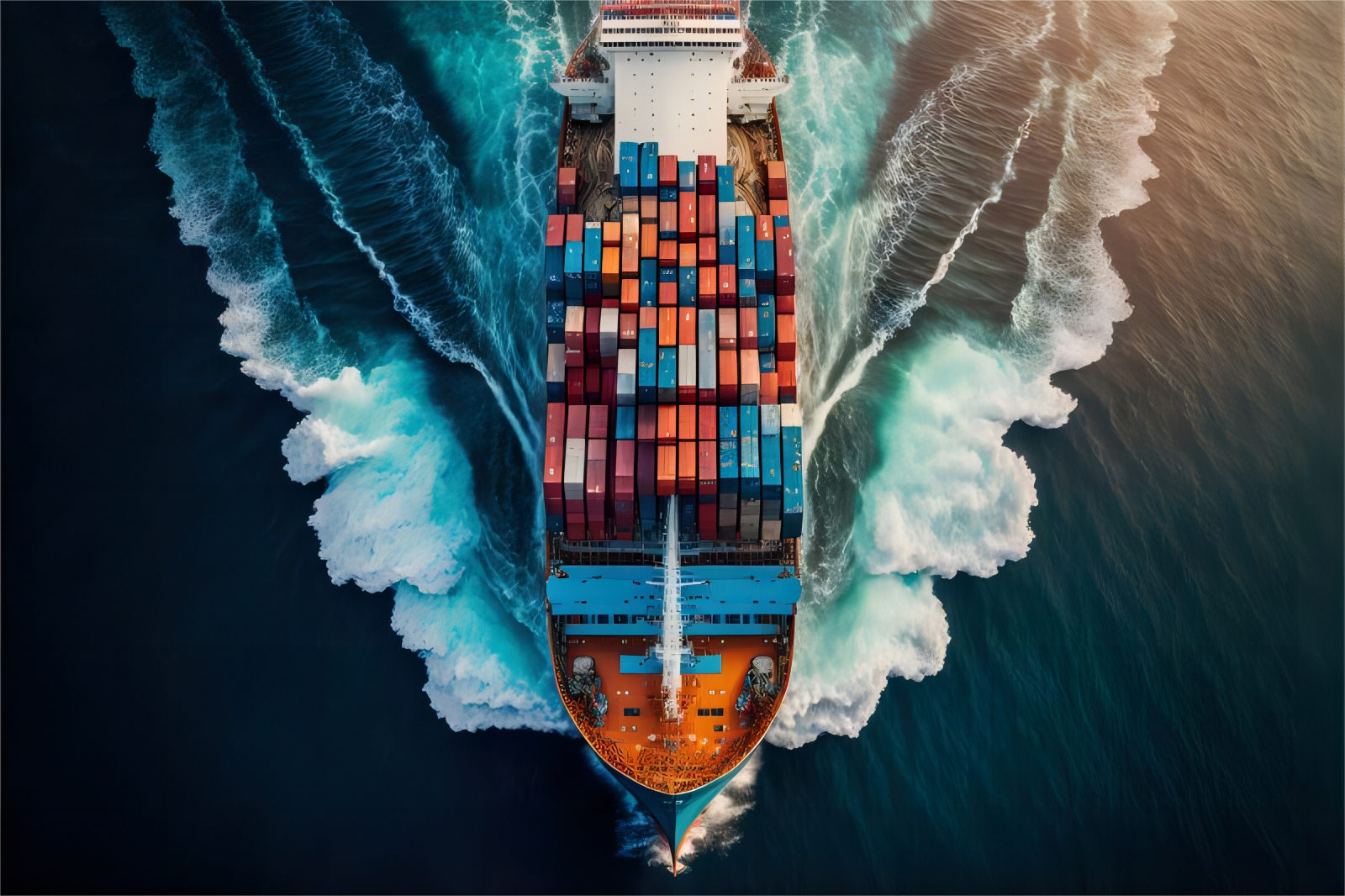
A 40HQ (High Cube) container is a standard choice for large volume shipments, especially for toys. It offers greater capacity compared to a regular 40GP container, making it ideal for maximizing space and reducing per-unit shipping costs. Consequently, businesses often prefer FCL (Full Container Load) for their toy imports.
Opting for FCL means your cargo occupies the entire container. This minimizes handling and reduces the risk of damage or delays associated with shared container space. Moreover, it provides better control over your delivery schedule. This method is particularly efficient for substantial quantities of toys, ensuring a streamlined logistics process.
Key Factors Influencing 40HQ FCL Freight Rate for Toys from China to Norway
Several dynamic elements consistently impact the 40HQ FCL freight rate for toys from China to Norway. Understanding these factors is essential for accurate budgeting and strategic planning. Freight rates are not static; they fluctuate based on global and regional market forces. Therefore, continuous monitoring is vital for importers.
Indeed, these variables can significantly alter your overall shipping costs. Being aware of them allows you to anticipate potential changes and adjust your import strategy accordingly. This proactive approach helps mitigate unexpected expenses and maintain a competitive edge in the toy market.
Global Fuel Costs and Surcharges
Fuel prices, specifically bunker fuel, represent a substantial component of ocean freight costs. Fluctuations in crude oil markets directly translate into Bunker Adjustment Factors (BAF) or fuel surcharges. These surcharges are added to the base freight rate, impacting the final price of your 40HQ FCL shipment. Regularly checking global oil price trends can offer insight into potential rate changes.
Seasonal Demand and Peak Seasons
Shipping demand often peaks during certain times of the year, especially before major holidays like Christmas or Chinese New Year. During these periods, vessel space becomes scarcer, and freight rates, including the 40HQ FCL freight rate for toys, typically increase by 15-25%. Planning your shipments outside these peak seasons can lead to significant cost savings. Therefore, consider your delivery schedule carefully.
Port Congestion and Vessel Capacity
Congestion at major ports in China or Norway can lead to delays and increased demurrage or detention charges. When ports are overloaded, vessels spend more time waiting, which impacts carrier schedules and available capacity. Consequently, carriers may impose congestion surcharges. Similarly, the overall vessel capacity on the China-Europe route influences rates; less available space generally means higher prices. This directly affects the cost of sea freight.
Carrier Competition and Market Dynamics
The level of competition among shipping lines operating on the China-Norway route also plays a role. A highly competitive market can drive rates down, while consolidation among carriers might lead to higher prices. Additionally, broader logistics trends and global trade policies can introduce volatility. Keeping an eye on market data helps in predicting rate movements.
Geopolitical Factors and Trade Policies
Unforeseen geopolitical events, such as the Red Sea disruptions seen in late 2023 and early 2024, can drastically alter shipping routes and increase transit times and costs. Trade policies, tariffs, and customs regulations between China and Norway can also affect the overall landed cost of your toys. Staying informed about these developments is critical for import/export planning. This impacts the entire supply chain.
Typical 40HQ FCL Freight Rate and Transit Times from China to Norway
While exact figures vary, understanding the typical range for a 40HQ FCL freight rate for toys from China to Norway is crucial. As of Q1 2025, rates have stabilized somewhat after recent disruptions, but remain dynamic. These rates include ocean freight, but additional charges apply.
Indeed, the total shipping costs involve more than just the base ocean freight. Origin charges, destination charges, and potential customs duties all contribute to the final landed cost. A detailed breakdown helps in budgeting accurately for your toy imports. Therefore, always request a comprehensive quote.
Estimated Cost Breakdown (Q1 2025)
Below is an estimated cost breakdown for a 40HQ FCL shipment of toys from a major Chinese port to Oslo, Norway. These figures are based on current market rates and serve as a general guideline. Actual quotes may vary based on specific ports, carrier, and booking time. Note: Freight rates are subject to change based on fuel costs, carrier capacity, and seasonal demand. Contact us for a current quote tailored to your specific shipment.
| Cost Category | Estimated Range (USD) |
|---|---|
| Ocean Freight (40HQ FCL) | $3,800 – $5,500 |
| Origin Charges (THC, Documentation, etc.) | $300 – $600 |
| Destination Charges (THC, DDC, etc.) | $400 – $800 |
| Customs Clearance (Norway) | $150 – $300 |
| Inland Transportation (China) | $200 – $500 |
| Inland Transportation (Norway) | $300 – $700 |
| Insurance (approx. 0.5% of cargo value) | Varies by cargo value |
| Total Estimated Landed Cost (excluding duties) | $5,150 – $8,400+ |
Transit Times for China to Norway FCL Shipments
The transit time for a 40HQ FCL shipment from China to Norway typically ranges from 30 to 45 days. This duration depends on the specific port of loading in China, the port of discharge in Norway, and whether the route is direct or involves transshipment. Direct routes are generally faster but can sometimes be more expensive. For instance, shipping from Shanghai to Oslo will have a different timeline than from Shenzhen to Bergen. This can impact your delivery schedule.
Weather conditions, port congestion, and carrier service levels can all influence the actual transit time. Therefore, it is always advisable to factor in a buffer period for unexpected delays. Timely customs brokerage can also expedite the process. Understanding these variables is key to effective supply chain management for toy imports.
| Origin Port (China) | Destination Port (Norway) | Estimated Transit Time (Days) |
|---|---|---|
| Shanghai | Oslo | 32 – 38 |
| Ningbo | Oslo | 30 – 36 |
| Shenzhen | Oslo | 35 – 42 |
| Qingdao | Oslo | 33 – 40 |
| Xiamen | Oslo | 34 – 41 |
| Shanghai | Bergen | 35 – 42 |
| Ningbo | Bergen | 33 – 40 |

Customs and Documentation for Toy Imports to Norway
Importing toys into Norway involves specific customs regulations and documentation requirements. Proper preparation is paramount to avoid delays and additional costs. All toys must comply with EU safety standards, which Norway generally aligns with, even though it’s not an EU member state. This includes CE marking and relevant declarations of conformity.
Furthermore, accurate classification of your toys using the Harmonized System (HS) codes is critical for correct duty assessment. Incorrect classification can lead to penalties or prolonged customs clearance. Engaging a reliable customs brokerage service can streamline this complex process. They ensure all paperwork is in order and compliance is met.
Essential Documents for Toy Shipments
Ensuring all necessary documents are complete and accurate is a non-negotiable step. Missing or incorrect paperwork is a common cause of customs delays. This checklist provides a general overview, but always confirm specific requirements with your freight forwarder or customs broker.
| Document | Purpose |
|---|---|
| Commercial Invoice | Details of goods, value, seller, buyer |
| Packing List | Contents of each package, weight, dimensions |
| Bill of Lading (B/L) | Contract of carriage, title to goods |
| Certificate of Origin | Confirms country of manufacture |
| CE Mark Declaration | Manufacturer’s declaration of EU safety compliance |
| Test Reports (if applicable) | Proof of compliance with toy safety standards |
| Import License (if required) | Specific licenses for certain toy types |
| Insurance Certificate | Proof of cargo insurance coverage |
Duties, Taxes, and Compliance
Norway applies Value Added Tax (VAT) to imported goods, typically at 25%. Import duties on toys vary depending on the specific HS code. It is crucial to calculate these costs accurately to determine the true landed cost of your products. Non-compliance with safety standards can result in goods being seized or returned. This would cause significant financial losses and reputational damage. Therefore, due diligence is essential.
How Does FCL Sea Freight Compare to Other Shipping Options?
Choosing the right shipping method is a strategic decision that balances cost, speed, and cargo volume. While 40HQ FCL sea freight is often the most economical for large toy shipments, it’s important to understand the alternatives. Each method has its own set of advantages and limitations, influencing your supply chain strategy. This comparison helps clarify which option best suits your specific import needs. Consider your budget priority.
Indeed, the optimal choice depends heavily on your specific requirements. For example, urgent replenishment of popular toys might justify a faster, albeit more expensive, method. Conversely, routine stock replenishment benefits from the cost-effectiveness of sea freight. Therefore, a comprehensive evaluation is always recommended. This will help you manage logistics trends effectively.
Comparison of Shipping Methods: China to Norway
Here’s a detailed comparison of viable shipping methods from China to Norway, focusing on typical scenarios for toy imports. This table outlines the key trade-offs between cost, speed, and suitability for different cargo types and volumes. It helps in making an informed decision for your import/export operations.
| Shipping Method | Cost Range (40HQ/equivalent) | Transit Time (Days) | Best For | Limitations |
|---|---|---|---|---|
| FCL Sea Freight (40HQ) | $3,800 – $5,500 | 30 – 45 | Large volume, non-urgent, heavy/bulky toys | Slow transit, port congestion risks |
| LCL Sea Freight (per CBM) | $80 – $150/CBM (for 10-15 CBM) | 35 – 50 | Smaller shipments (under 15 CBM), flexible volume | Longer transit, more handling, higher risk of damage/delays |
| Air Freight (per kg) | $6 – $12/kg | 5 – 10 | Urgent, high-value, light-weight, small volume toys | Very high cost, volume/weight restrictions, environmental impact |
Alternative Approaches and Hybrid Solutions
For specific scenarios, alternative strategies or hybrid solutions can offer a balance of cost and speed. For instance, if you have a critical, smaller portion of your toy order that needs to arrive quickly, air freight can be used for that part, while the bulk travels by sea. This approach minimizes overall air freight costs while addressing urgent needs. This is a common strategy for product launches.
Moreover, consider the direct vs. transshipment route. Direct routes, while potentially 10-15% more expensive, can save 5-7 days in transit compared to transshipment via major hubs like Rotterdam or Hamburg. This trade-off might be acceptable for moderately time-sensitive shipments. Furthermore, some freight forwarders offer specialized express service options for very small, urgent parcels. For large and complex shipments, a door to door service might be beneficial.
Which Option Should You Choose?
The optimal shipping solution depends entirely on your business priorities. If your primary concern is minimizing shipping costs for large quantities of toys, then 40HQ FCL sea freight is almost always the best choice. This method offers the lowest per-unit cost. For example, if you are importing a full container of plush toys, FCL is most economical.
Conversely, if speed is paramount for a new product launch or urgent stock replenishment, air freight is the undisputed winner, despite its higher expense. For medium-sized shipments that don’t quite fill a 20GP container, LCL sea freight might be more economical than paying for an empty FCL container. Ultimately, evaluating your budget, desired delivery schedule, and cargo type considerations will guide your decision. Consulting with a logistics expert can provide tailored advice.
Real-World Case Studies: Shipping Toys to Norway
These case studies illustrate typical scenarios for importing toys from China to Norway, highlighting the practical application of 40HQ FCL freight rates and associated logistics. They provide a realistic view of costs, transit times, and potential challenges. These examples are based on Q3 2024 market rates and typical shipping operations.
Indeed, each shipment presents unique circumstances, but these examples showcase common patterns and considerations. Understanding these real-world examples can help you better plan your own import operations. Pay attention to the ‘Key Insight’ for valuable lessons in cargo handling.
Case Study 1: Bulk Import of Plastic Toys for Holiday Season
This case involved a Norwegian retailer importing a large volume of plastic construction toys in preparation for the Christmas season. The focus was on cost-effectiveness and timely arrival before the peak retail period. Planning several months in advance was crucial for securing favorable rates and avoiding holiday surcharges.
| Detail | Value |
|---|---|
| Route | Ningbo, China -> Oslo, Norway |
| Cargo | Plastic construction toys, 65 CBM, 10,500 kg |
| Container | 1 x 40HQ |
| Shipping Details | Major carrier (e.g., MSC), direct service |
| Port of Loading | Ningbo |
| Port of Discharge | Oslo |
| Route Type | Direct |
| Ocean Freight | $4,200 |
| Origin Charges (THC, documentation) | $450 |
| Destination Charges | $600 |
| Customs & Duties (estimated) | $1,800 (excl. VAT) |
| Total Landed Cost (excl. VAT) | $7,050 |
| Booking to Loading | 7 days |
| Sea Transit | 33 days |
| Customs Clearance | 3 days |
| Total Door-to-Door | 45 days |
| Key Insight | Early booking (4 months prior) secured a competitive 40HQ FCL freight rate and ensured arrival before peak season, mitigating holiday rate increases. |
Case Study 2: Educational Toy Shipment with Specific Delivery Window
A specialized educational toy distributor needed a shipment of wooden puzzles and learning kits to arrive within a specific window for school tenders. While cost was important, adherence to the delivery schedule was paramount. The shipment required careful coordination and a reliable carrier.
| Detail | Value |
|---|---|
| Route | Shanghai, China -> Bergen, Norway |
| Cargo | Wooden educational toys, 60 CBM, 9,800 kg |
| Container | 1 x 40HQ |
| Shipping Details | Major carrier (e.g., COSCO), transshipment via Rotterdam |
| Port of Loading | Shanghai |
| Port of Discharge | Bergen |
| Route Type | Transshipment via Rotterdam |
| Ocean Freight | $3,950 |
| Origin Charges (THC, documentation) | $500 |
| Destination Charges | $650 |
| Customs & Duties (estimated) | $1,700 (excl. VAT) |
| Total Landed Cost (excl. VAT) | $6,800 |
| Booking to Loading | 10 days |
| Sea Transit | 38 days |
| Customs Clearance | 4 days |
| Total Door-to-Door | 55 days (due to transshipment and inland transfer to Bergen) |
| Key Insight | Choosing a transshipment route offered a lower base freight rate, but added 5-7 days to the transit. The client accepted this trade-off for cost savings, having planned sufficient lead time. |
Case Study 3: Urgent Replenishment of Action Figures
This scenario involved a popular action figure line that sold out faster than anticipated. The retailer needed an urgent replenishment to avoid stockouts during a promotional period. While a 40HQ FCL was still used for volume, a premium was paid for a faster service option.
| Detail | Value |
|---|---|
| Route | Shenzhen, China -> Oslo, Norway |
| Cargo | Action figures and collectibles, 68 CBM, 11,000 kg |
| Container | 1 x 40HQ |
| Shipping Details | Premium carrier service (e.g., Maersk’s AE19), direct |
| Port of Loading | Shenzhen |
| Port of Discharge | Oslo |
| Route Type | Direct, expedited service |
| Ocean Freight | $5,300 |
| Origin Charges (THC, documentation) | $550 |
| Destination Charges | $700 |
| Customs & Duties (estimated) | $1,950 (excl. VAT) |
| Total Landed Cost (excl. VAT) | $8,500 |
| Booking to Loading | 5 days |
| Sea Transit | 30 days |
| Customs Clearance | 2 days |
| Total Door-to-Door | 40 days |
| Key Insight | Paying a premium for a faster direct service ensured quicker replenishment, preventing lost sales from stockouts. This demonstrated a strategic balance between the 40HQ FCL freight rate and urgent market demand. |
Cost Optimization Strategies for Your Toy Imports
Optimizing the 40HQ FCL freight rate for toys from China to Norway involves more than just finding the lowest quote. It requires a holistic approach to your supply chain. Implementing smart strategies can significantly reduce overall shipping costs and improve efficiency. Therefore, consider these approaches.
Indeed, long-term savings often come from strategic planning and strong relationships with logistics partners. Focusing solely on the cheapest initial rate can sometimes lead to hidden costs or delays. Proactive management of your import/export operations is key.
Volume and Container Utilization
Maximizing the space within your 40HQ container is paramount. Every cubic meter of unused space is a missed opportunity for cost efficiency. Proper carton sizing, efficient palletization, and professional loading techniques can significantly increase your container utilization. This directly reduces the per-unit shipping cost of your toys. Therefore, collaborate closely with your suppliers on packaging design.
Advance Booking and Off-Peak Shipping
Booking your FCL shipments well in advance, especially outside of peak seasons, can lead to substantial savings. Carriers often offer more competitive rates for bookings made several weeks or even months ahead. Avoiding periods like Chinese New Year, Golden Week, and the pre-Christmas rush helps circumvent peak season surcharges and ensures better vessel availability. This improves your delivery schedule reliability.
Negotiating with Freight Forwarders
Building a strong relationship with a reputable freight forwarder can yield better rates and service. Freight forwarders often have access to discounted rates from multiple carriers due to their volume. Negotiate not just on the base freight rate, but also on surcharges and origin/destination fees. A good freight forwarder can also advise on optimal routes and customs procedures. Therefore, choosing a reliable partner is critical.
Consolidating Multiple Suppliers
If you source toys from multiple suppliers in China, consider consolidating them into a single 40HQ container. This approach, often facilitated by a freight forwarder, allows you to fill the container more efficiently. It reduces the need for multiple smaller shipments or LCL bookings, thereby saving on overall costs and simplifying cargo handling. This strategy is particularly effective for diverse product ranges.
Choosing the Right Freight Forwarder for Your China-Norway Toy Shipments
Selecting an experienced freight forwarder is crucial for successful and cost-effective toy imports from China to Norway. A reliable partner can navigate the complexities of international shipping, customs, and local delivery. Their expertise directly impacts your 40HQ FCL freight rate and the efficiency of your supply chain. Look for a forwarder with specific experience on the China-Europe route, particularly shipping from China to Europe.
Indeed, a good freight forwarder acts as an extension of your logistics team. They provide vital services, from booking cargo space to managing documentation and tracking your shipment. Their network and knowledge can prevent costly errors and delays. Therefore, due diligence in selection is highly recommended.
Key Qualities to Look For
When evaluating freight forwarders, prioritize those with proven experience in your specific industry and route. Look for transparency in pricing, clear communication channels, and a strong track record. Their ability to handle customs challenges and provide comprehensive services, including Amazon FBA if applicable, is also important. A forwarder with a strong presence in both China and Norway can offer seamless coordination.
Services Offered by Top China Freight
Top China Freight specializes in providing comprehensive logistics solutions for businesses shipping from China. We offer competitive 40HQ FCL freight rates for toys to Norway, alongside a full suite of services. These include customs clearance, warehousing, and inland transportation. Our expertise ensures a smooth and efficient shipping experience, allowing you to focus on your core business. We manage all aspects of your cargo from origin to destination.
Market Trends Affecting China-Norway Freight Rates
The global logistics landscape is constantly evolving, with several key trends impacting freight rates from China to Norway. Staying informed about these developments is vital for proactive decision-making. These trends can influence everything from transit times to the overall 40HQ FCL freight rate for toys. Understanding these dynamics helps in anticipating future costs and planning your supply chain accordingly.
Moreover, factors like sustainability initiatives and technological advancements are reshaping the industry. Adapting to these changes can provide a competitive advantage. Therefore, continuous market intelligence is indispensable for importers.
Sustainability and Green Shipping Initiatives
There’s a growing global emphasis on reducing the environmental impact of shipping. This leads to carriers investing in more fuel-efficient vessels and alternative fuels. While these initiatives are positive, they can sometimes lead to increased operational costs, which may be passed on as surcharges. However, choosing greener shipping options can also enhance your brand’s reputation. This is an important consideration for many modern businesses.
Digitalization and Supply Chain Visibility
Advances in technology are improving supply chain visibility and efficiency. Digital platforms for booking, tracking, and documentation are becoming standard. This enhanced transparency can help in optimizing routes, predicting delays, and managing inventory more effectively. Better data can lead to smarter decisions regarding your 40HQ FCL freight rate for toys. Indeed, technology is transforming cargo handling.
E-commerce Growth and Consumer Demands
The continued growth of e-commerce drives demand for faster and more flexible shipping solutions. While FCL sea freight remains crucial for bulk imports, the pressure for quicker replenishment cycles can influence overall logistics strategies. This trend emphasizes the need for efficient inventory management and reliable shipping partners to meet consumer expectations in Norway. Therefore, understanding these delivery schedule pressures is important.
Navigating Your 40HQ FCL Freight Rate for Toys from China to Norway
Successfully importing toys from China to Norway with a 40HQ FCL requires careful planning and an understanding of dynamic market factors. From securing competitive 40HQ FCL freight rates to navigating customs and choosing the right shipping method, every decision impacts your bottom line and delivery schedule. By understanding the key cost drivers, optimizing your shipments, and partnering with an experienced freight forwarder, you can ensure a smooth and profitable import operation.
Indeed, the journey of your toys from Chinese factories to Norwegian shelves involves numerous complexities. However, with the right strategy and a reliable logistics partner, these challenges become manageable. Focus on maximizing container utilization, planning ahead for seasonal demand, and maintaining clear communication with your freight forwarder to achieve the best possible outcomes for your toy imports.
Need a tailored shipping solution?
Ready to get a competitive 40HQ FCL freight rate for toys from China to Norway? Contact Top China Freight today for a personalized quote and expert logistics advice. Our team is here to streamline your international shipping process.