
40HQ FCL Detention Prevention: Medical Equipment China to Savannah
Shipping medical equipment from China to Savannah, Georgia, often involves complex logistics, especially when utilizing 40HQ FCL containers. Preventing costly detention charges is a paramount concern for importers, as these fees can significantly impact profitability and supply chain efficiency. Understanding the nuances of international freight forwarding is therefore essential for smooth operations. This comprehensive guide will explore effective strategies to ensure your valuable medical cargo reaches its destination without unnecessary delays or expenses.
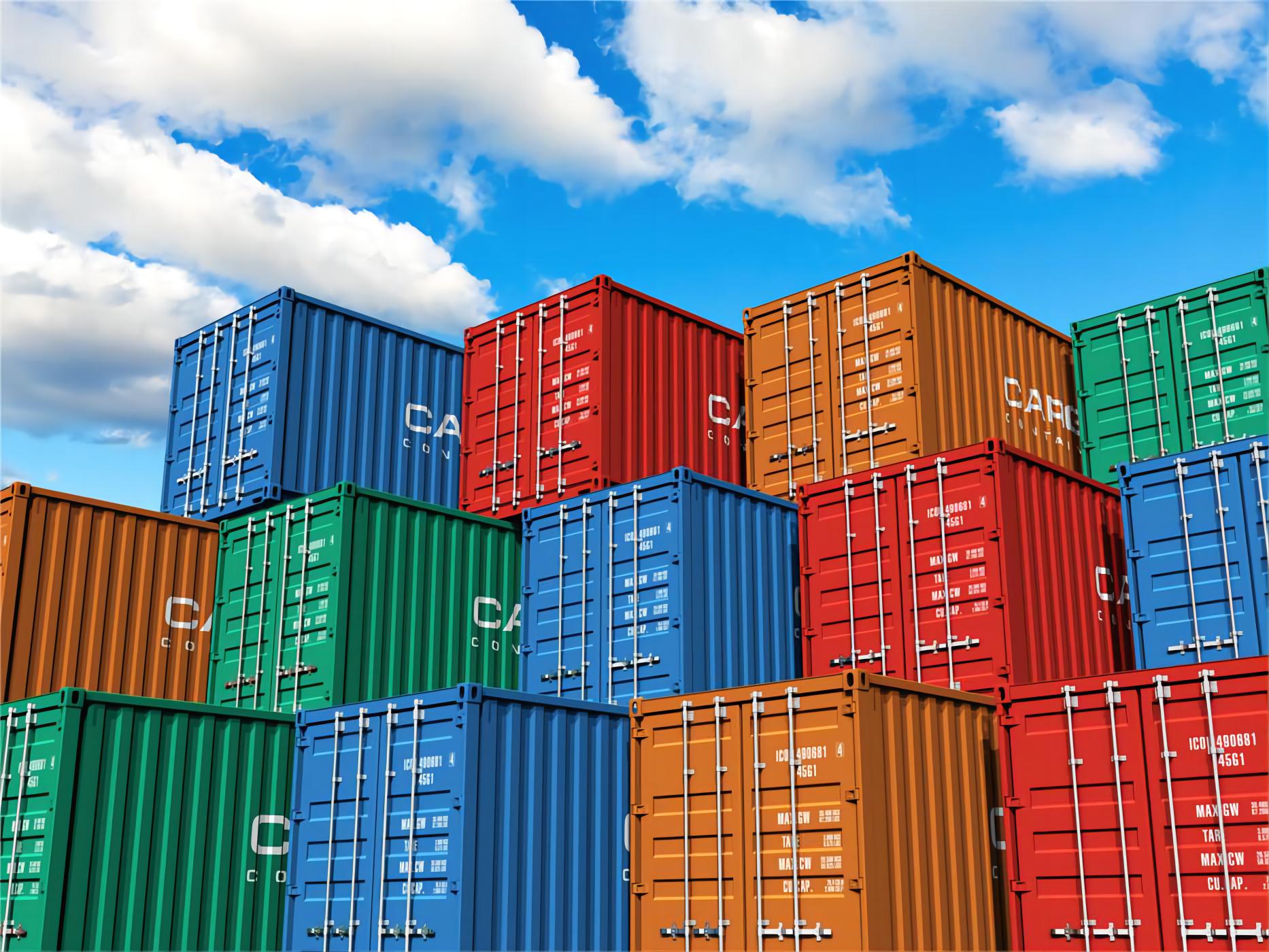
Understanding 40HQ FCL Detention for Medical Equipment
Detention refers to the charge applied by the shipping carrier when the consignee holds their container outside the port or terminal beyond the free time allowed. Typically, for a 40HQ FCL shipment, this free time ranges from 3 to 7 days after the container is picked up from the port. Consequently, exceeding this period incurs daily charges, which quickly accumulate.
Furthermore, these charges are distinct from demurrage, which applies when containers remain inside the port terminal beyond the free time. Medical equipment, often high-value and time-sensitive, makes efficient sea freight crucial. Therefore, minimizing both detention and demurrage is vital for managing overall shipping costs from China to Savannah.
Key Causes of Detention in Savannah for China Imports
Several factors frequently contribute to 40HQ FCL detention for medical equipment arriving in Savannah. Firstly, documentation errors or incomplete paperwork are a leading cause. Inaccurate commercial invoices, packing lists, or certificates of origin can halt customs clearance, thus delaying container release.
Secondly, unforeseen customs inspections or holds can significantly prolong the clearance process. Although these are often random, they can sometimes stem from discrepancies or insufficient information provided to customs brokerage services. Moreover, port congestion at the Port of Savannah can also create delays in container availability and pickup.
Additionally, a lack of coordination between the importer, freight forwarder, and local trucking company can exacerbate delays. For instance, if the trucking company is not pre-booked or faces scheduling conflicts, containers may sit at the consignee’s warehouse longer than anticipated. Therefore, proactive communication is absolutely critical.
Proactive Strategies for 40HQ FCL Detention Prevention
Preventing 40HQ FCL detention for medical equipment from China to Savannah requires a multi-faceted approach. Initially, meticulous planning and preparation are non-negotiable. This involves understanding the entire shipping lifecycle from factory gate to final delivery.
Moreover, securing extended free time from shipping carriers can be a significant advantage. While this often comes at a slightly higher freight rate, it provides a buffer against unexpected delays, especially for sensitive medical cargo. Consider negotiating these terms with your freight forwarder early on.
Furthermore, establishing clear communication channels with all parties involved—suppliers, forwarders, customs brokers, and truckers—is paramount. Regular updates on vessel schedules and estimated arrival times enable timely arrangements for pickup and unloading. Indeed, an effective door to door service provider can manage this entire process seamlessly.
Optimizing Documentation and Customs Clearance
Accurate and complete documentation is the bedrock of smooth customs clearance, effectively preventing detention. Before the vessel even departs China, ensure all necessary paperwork is precisely prepared and reviewed. This includes commercial invoices, packing lists, bills of lading, and any required permits for medical equipment.
Additionally, leverage pre-clearance procedures whenever possible. Submitting import declarations and documentation to U.S. Customs and Border Protection (CBP) before the cargo’s arrival can significantly expedite the release process. This proactive step helps avoid last-minute issues that cause delays.
Working with an experienced customs brokerage firm specializing in medical device shipping regulations is invaluable. They possess expertise in specific Harmonized Tariff Schedule (HTS) codes and can navigate complex import regulations. Consequently, this minimizes the risk of customs holds or penalties.

Choosing the Right Logistics Partner: A Critical Step
Selecting a reliable freight forwarder is arguably the most crucial decision in preventing 40HQ FCL detention for medical equipment. A reputable partner understands the intricacies of the China-Savannah route and possesses strong relationships with carriers and local agents. They can, therefore, proactively manage potential issues.
Look for a forwarder with proven experience in handling sensitive cargo like medical devices. They should offer comprehensive tracking, transparent communication, and robust contingency plans. Furthermore, their ability to negotiate favorable free time for both demurrage and detention is a key indicator of their value.
Moreover, consider providers offering integrated solutions, such as Amazon FBA services if your distribution model requires it, or end-to-end logistics. Such partners streamline the entire supply chain, reducing touchpoints and potential for error. This holistic approach ensures better control over the shipment’s journey.
How Does FCL Sea Freight Compare to Other Shipping Options?
While 40HQ FCL sea freight is often the most cost-effective solution for large volumes of medical equipment, it is not the only option. Understanding alternatives and their trade-offs is crucial for informed decision-making. Therefore, let us examine how FCL sea freight stacks up against other viable methods for shipping from China to Savannah.
For instance, air freight offers significantly faster transit times but at a much higher cost. LCL (Less than Container Load) sea freight is an option for smaller volumes but often involves more handling and potentially longer transit. Hybrid solutions, moreover, can balance speed and cost effectively.
| Shipping Method | Cost Range (40HQ equivalent) | Transit Time | Best For | Limitations |
|---|---|---|---|---|
| FCL Sea Freight | $4,500-6,000 | 30-35 days | Large volumes, cost-sensitive, non-urgent medical equipment | Slowest, risk of detention/demurrage |
| LCL Sea Freight | $5,000-8,000 (per 40HQ equivalent) | 35-45 days | Smaller volumes (under 15 CBM), less urgent cargo | More handling, potential for consolidation delays, higher per CBM cost |
| Air Freight | $15,000-25,000 (per 40HQ equivalent) | 5-7 days | Urgent, high-value, temperature-sensitive medical supplies | Extremely high cost, limited capacity for very large items |
| Sea-Air (e.g., China-Dubai-USA) | $8,000-12,000 | 18-25 days | Moderately urgent, mid-value cargo, balance of cost/speed | More complex routing, additional handling points |

Real-World Success: Case Studies in Detention Prevention
Examining actual scenarios provides practical insights into preventing 40HQ FCL detention. These case studies highlight the importance of meticulous planning, robust communication, and an experienced logistics partner. Consequently, they showcase successful strategies in action.
Case Study 1: Expediting Regulatory Approvals
| Field | Detail |
|---|---|
| Route | Shanghai, China -> Savannah, USA |
| Cargo | X-Ray Machines & Diagnostic Equipment, 60 CBM, 15,000 kg |
| Container | 2 x 40HQ |
| Carrier/Service | MSC |
| Port of Loading | Shanghai |
| Port of Discharge | Savannah |
| Route Type | Direct |
| Ocean Freight | $9,500 (total for 2x40HQ) |
| Origin Charges | $850 |
| Destination Charges | $1,200 |
| Customs & Duties (estimated) | $3,500 |
| Total Landed Cost | $15,050 |
| Booking to Loading | 5 days |
| Sea Transit | 32 days |
| Customs Clearance | 2 days (pre-cleared) |
| Total Door-to-Door | 39 days |
| Key Insight | Early submission of FDA pre-market notifications and working with a specialist customs broker allowed for pre-clearance, avoiding potential 5-7 day customs holds at Savannah. This prevented detention charges entirely. |
Case Study 2: Proactive Port Congestion Management
| Field | Detail |
|---|---|
| Route | Ningbo, China -> Savannah, USA |
| Cargo | Medical Disposables (PPE, Syringes), 65 CBM, 12,000 kg |
| Container | 2 x 40HQ |
| Carrier/Service | COSCO |
| Port of Loading | Ningbo |
| Port of Discharge | Savannah |
| Route Type | Direct |
| Ocean Freight | $8,800 (total for 2x40HQ) |
| Origin Charges | $780 |
| Destination Charges | $1,100 |
| Customs & Duties (estimated) | $2,800 |
| Total Landed Cost | $13,480 |
| Booking to Loading | 4 days |
| Sea Transit | 30 days |
| Customs Clearance | 3 days |
| Total Door-to-Door | 37 days |
| Key Insight | During a period of high port congestion at Savannah (Q4 2024), the forwarder secured an additional 4 days of free time for detention. This foresight, combined with pre-arranged trucking, absorbed minor delays and prevented additional costs. Typical rates as of early 2025 were slightly lower. |

Case Study 3: Optimized Unloading and Distribution
| Field | Detail |
|---|---|
| Route | Shenzhen, China -> Savannah, USA |
| Cargo | Hospital Beds & Furniture, 55 CBM, 10,000 kg |
| Container | 1 x 40HQ, 1 x 20GP |
| Carrier/Service | ONE (Ocean Network Express) |
| Port of Loading | Yantian (Shenzhen) |
| Port of Discharge | Savannah |
| Route Type | Direct |
| Ocean Freight | $7,200 (total for 1x40HQ + 1x20GP) |
| Origin Charges | $650 |
| Destination Charges | $950 |
| Customs & Duties (estimated) | $2,500 |
| Total Landed Cost | $11,300 |
| Booking to Loading | 6 days |
| Sea Transit | 33 days |
| Customs Clearance | 2 days |
| Total Door-to-Door | 41 days |
| Key Insight | The importer faced limited warehouse space. By coordinating closely with their express service and logistics partner, a specific delivery window was arranged immediately upon container availability. This ensured prompt unloading and return of the container, avoiding any detention fees. |
Decision Framework: Which Shipping Option Should You Choose?
Selecting the optimal shipping method for your medical equipment depends heavily on several critical factors. Evaluating your priorities for speed, cost, and cargo characteristics will guide your decision. Thus, a structured approach is highly beneficial.
Budget Priority: If minimizing shipping costs is your primary concern, and your medical equipment is not time-sensitive, then 40HQ FCL sea freight is typically the most economical option. However, ensure you factor in potential detention costs if not managed properly.
Speed Priority: Conversely, for urgent medical supplies, such as life-saving drugs or critical diagnostic kits, air freight or a sea-air hybrid solution is recommended. While significantly more expensive, the reduced transit time can be invaluable.
Cargo Type Considerations: High-value, fragile, or temperature-controlled medical devices may benefit from specialized handling and faster transit, even if it means higher costs. For robust, bulky items like hospital beds, FCL sea freight remains the most practical choice.
Volume Thresholds: For shipments less than 15 CBM, LCL sea freight might appear cheaper per shipment initially. However, per CBM costs are often higher, and transit times are longer due to consolidation. For volumes above 15 CBM, a full 40HQ FCL container generally offers better value and control.
Leveraging Technology and Communication for Smooth Shipments
Modern logistics relies heavily on advanced technology and seamless communication to prevent delays and optimize the supply chain. Utilizing platforms that provide real-time tracking and visibility into your 40HQ FCL shipments is paramount. This enables proactive problem-solving.
Furthermore, digital freight booking and management platforms streamline the entire process, from quote requests to documentation submission. They reduce manual errors and enhance efficiency, consequently minimizing detention risks. Therefore, choose a logistics partner with robust technological capabilities.
Ultimately, consistent and clear communication with your logistics provider remains the cornerstone of successful medical equipment imports. Regular updates on vessel status, customs clearance progress, and delivery schedules empower you to make timely decisions. This collaborative approach significantly contributes to 40HQ FCL detention prevention for medical equipment from China to Savannah.
Conclusion
Preventing 40HQ FCL detention for medical equipment from China to Savannah is a critical aspect of successful international trade. By understanding potential pitfalls, implementing proactive strategies, and partnering with an experienced logistics provider, importers can significantly reduce costs and streamline their supply chain. Ultimately, meticulous planning, robust documentation, and effective communication are the keys to avoiding costly delays and ensuring timely delivery of your vital cargo.
Start Your Shipment
Ready to optimize your medical equipment imports and ensure 40HQ FCL detention prevention from China to Savannah? Contact Top China Freight today for a personalized quote and expert guidance. Our team is dedicated to providing efficient, reliable, and cost-effective shipping solutions tailored to your specific needs.
Request Quote