
40HQ FCL Detention Prevention for Hardware Tools from China to Poland
“Importing hardware tools from China to Poland using 40HQ FCL containers presents significant opportunities, however, avoiding costly detention and demurrage charges is crucial. These fees can quickly erode profit margins if not managed proactively. This article outlines comprehensive strategies for 40HQ FCL detention prevention, ensuring a smoother, more cost-effective supply chain for your business. For seamless logistics solutions, visit Top China Freight.”

What Exactly is 40HQ FCL Detention?
❖First, understanding the terminology is vital for effective management. 40HQ FCL detention refers to charges incurred when an importer holds a Full Container Load (FCL) container outside the port or terminal beyond the allotted free time. This free time, typically 3-7 days, is specified by the shipping line for unpacking the cargo at the consignee’s warehouse. Moreover, these charges are distinct from demurrage, which applies when a container remains inside the port terminal past its free period.
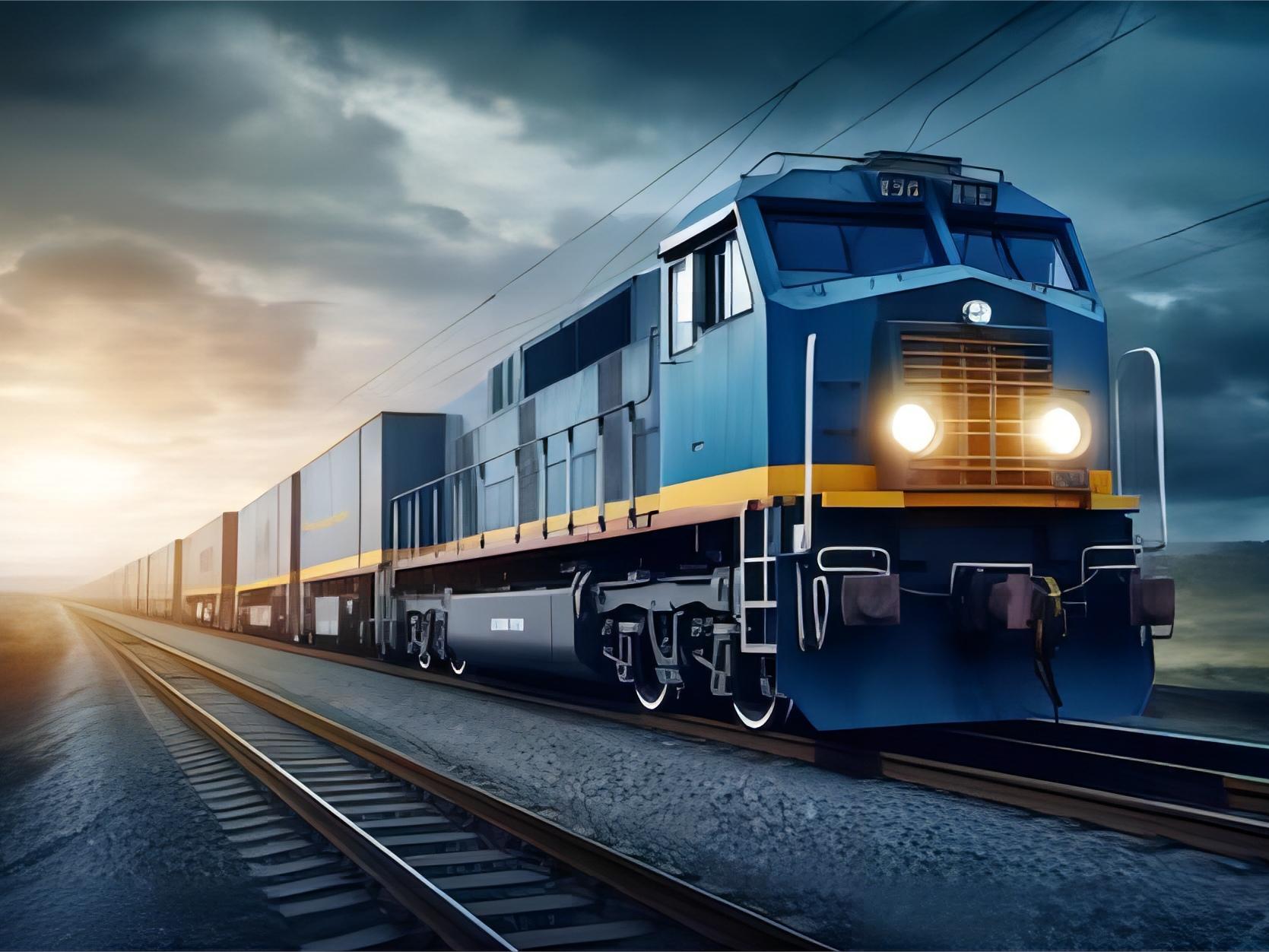
Consequently, preventing these fees directly impacts your shipping costs and overall profitability. For hardware tools, which are often heavy and require specific handling, efficient logistics are paramount. Therefore, careful planning and execution are essential to avoid unexpected expenses related to container usage.
Why is Preventing Detention Crucial for Hardware Tools from China to Poland?
❖Hardware tools, ranging from hand tools to power tools, represent a significant investment. Unexpected detention charges can inflate the landed cost per unit, thereby reducing competitive pricing and profit margins. Furthermore, delays in returning containers can disrupt subsequent shipments and strain relationships with carriers and local transport providers.
Additionally, efficient supply chain management is not just about cost savings; it also ensures timely delivery schedules. Consistent delivery helps maintain customer satisfaction and market reputation in Poland. Therefore, avoiding detention is a key component of a robust import strategy for these products.
Key Strategies for 40HQ FCL Detention Prevention
❖Implementing proactive measures is the most effective way to mitigate detention risks. These strategies encompass various stages of the shipping process, from booking to final delivery. Indeed, a multi-faceted approach significantly enhances your chances of avoiding these costly fees.
1. Optimize Documentation and Customs Clearance
Ensuring all import/export documentation is accurate and complete prior to shipment arrival is critical. Missing or incorrect paperwork, such as commercial invoices or packing lists, is a common cause of customs delays. Consequently, these delays directly contribute to container detention. Furthermore, engaging a proficient customs brokerage service can streamline this complex process, minimizing hold-ups at Polish ports.
Moreover, understanding Poland’s specific import regulations for hardware tools, including any necessary certifications or standards, is non-negotiable. Proactive preparation prevents last-minute scrambles and ensures swift release of your cargo. This preparation is a cornerstone of efficient hardware tool import logistics.
2. Negotiate Extended Free Time with Carriers
When booking your FCL shipment, particularly for a 40HQ container, always attempt to negotiate for additional free time. Standard free time might be insufficient for larger or more complex hardware tool shipments. A few extra days can provide a crucial buffer against unforeseen circumstances, such as labor shortages or inspection delays. This negotiation can be a significant cost-saving strategy.
However, this negotiation leverage often depends on your shipping volume and relationship with the carrier. A reputable freight forwarder, with established carrier relationships, can often secure better terms on your behalf. Therefore, choosing the right partner is essential for optimizing container free time effectively.
3. Ensure Efficient Inland Transportation and Warehousing
Once the container arrives at the port of discharge, prompt inland transportation to your warehouse is paramount. Have your local trucking and unloading arrangements fully confirmed before the vessel even departs China. Delays in booking trucks or insufficient warehouse capacity for handling hardware tools are frequent culprits of detention charges. A reliable door-to-door service can manage this entire process seamlessly.
Additionally, ensure your receiving facility is adequately staffed and equipped to unload the 40HQ container quickly. For bulky hardware tools, this might involve specialized equipment or a larger team. Streamlining this final leg of the journey is crucial for avoiding costly container demurrage charges.
4. Implement Real-time Tracking and Communication
Maintain constant vigilance over your shipment’s progress from China to Poland. Utilize carrier tracking systems and stay in regular communication with your freight forwarder. Early alerts about potential delays, such as port congestion or adverse weather, allow you to adjust your plans proactively. This proactive approach helps in managing container free time effectively.
Furthermore, prompt communication with all parties involved – your supplier, carrier, customs broker, and trucking company – can resolve issues before they escalate. A well-informed supply chain is a resilient one, capable of adapting to challenges and maintaining efficient hardware tool import logistics.
5. Partner with an Experienced Freight Forwarder
Collaborating with an experienced freight forwarder specializing in China-Europe routes is arguably the most impactful strategy. Such a partner possesses the expertise to navigate complex logistics, negotiate favorable terms, and offer valuable insights. They can advise on optimal routes, carriers, and customs procedures, ensuring smooth operations for your hardware tool shipments. This partnership is key to choosing reliable freight forwarders China Europe.
Indeed, a good freight forwarder acts as an extension of your team, providing comprehensive support and mitigating risks. They can help with everything from initial booking to final delivery, offering end-to-end solutions for your sea freight needs. Their knowledge of market trends and potential pitfalls is invaluable for efficient hardware tool import logistics.
How Does FCL Shipping Compare to Other Options for China to Poland?
❖While FCL sea freight is often the default for bulk hardware tool shipments, understanding alternative methods is crucial for optimizing your supply chain. Each shipping mode offers different trade-offs in terms of cost, transit time, and suitability for various cargo types. Therefore, selecting the right method depends on your specific priorities for a given shipment. This section compares FCL with other viable options for China to Poland freight solutions for tools.
| Shipping Method | Cost Range (40HQ Equivalent) | Transit Time | Best For | Limitations |
|---|---|---|---|---|
| Sea Freight (FCL 40HQ) | $3,000-$4,200 | 28-35 days | Large volume, heavy hardware tools, lowest cost per unit | Long transit times, susceptible to port congestion |
| Rail Freight | $8,000-$12,000 | 15-20 days | Medium-large volume, faster than sea, cost-effective for time-sensitive cargo | Higher cost than sea, limited terminal access, potential for rail network delays |
| Air Freight | $18,000-$25,000 | 5-7 days | Urgent, high-value, low-volume hardware tools, samples | Highest cost, volume/weight restrictions |
| Sea + Rail (Multimodal) | $5,000-$7,000 | 20-25 days | Balance of cost and speed, flexibility | Complex coordination, potential for transshipment delays |
Which Shipping Option Should You Choose for Your Hardware Tools?
❖Making an informed decision about your shipping method involves weighing various factors. Consider your budget, the urgency of the shipment, and the specific characteristics of your hardware tools. Each scenario dictates a different optimal approach, thus requiring careful evaluation. This decision framework assists in choosing the most suitable option among China to Poland freight solutions for tools.
For instance, if budget is your primary concern and you have ample lead time, FCL sea freight remains the most economical choice for bulk hardware tools. Conversely, if speed is paramount for a critical project or high-value items, air freight is indispensable, despite its higher cost. Meanwhile, rail freight offers a valuable middle ground for time-sensitive, yet not urgent, shipments.
Budget Priority
If minimizing shipping costs is your top priority, especially for large volumes of standard hardware tools, FCL sea freight is typically the most cost-effective solution. This method offers the lowest per-unit cost, albeit with longer transit times. However, diligent 40HQ FCL detention prevention measures are crucial to maintain these cost savings.
Speed Priority
For urgent shipments, new product launches, or to quickly restock depleted inventory of popular hardware tools, air freight is the best option. It provides the fastest transit time, ensuring your products reach the Polish market swiftly. This approach, however, comes with a significantly higher price tag, impacting overall shipping costs.
Cargo Type and Volume Considerations
Heavy, bulky, or low-value hardware tools are best suited for FCL sea freight. For smaller, higher-value, or fragile items that don’t fill a full container, LCL (Less than Container Load) sea freight or rail freight might be more appropriate. Rail freight is also excellent for medium-volume shipments requiring a balance of speed and cost for China to Poland freight solutions.

Real-World Case Studies: Successful Detention Prevention
❖Examining actual scenarios reveals how effective planning leads to significant savings and operational efficiency. These examples demonstrate the practical application of detention prevention strategies for hardware tools from China to Poland. Based on current market rates as of early 2025, these cases highlight typical challenges and successful resolutions.
Case Study 1: Power Tools to Gdansk
| Detail | Value |
|---|---|
| Route | Shanghai, China -> Gdansk, Poland |
| Cargo | Electric Drills and Accessories, 60 CBM, 15,000 kg |
| Container | 40HQ FCL |
| Shipping Details – Carrier/Service | COSCO |
| Shipping Details – Port of Loading | Shanghai |
| Shipping Details – Port of Discharge | Gdansk |
| Shipping Details – Route Type | Direct |
| Cost Breakdown – Ocean Freight | $3,800 |
| Cost Breakdown – Origin Charges (THC, documentation) | $350 |
| Cost Breakdown – Destination Charges | $400 |
| Cost Breakdown – Customs & Duties (estimated) | $1,200 |
| Cost Breakdown – Total Landed Cost | $5,750 |
| Timeline – Booking to Loading | 5 days |
| Timeline – Sea Transit | 32 days |
| Timeline – Customs Clearance | 2 days |
| Timeline – Total Door-to-Door | 38 days |
| Key Insight | Pre-cleared customs documentation and pre-arranged inland transport ensured zero detention charges. The client utilized extended free time (7 days) negotiated by their forwarder. |
Case Study 2: Hand Tools to Warsaw (via Gdynia)
| Detail | Value |
|---|---|
| Route | Ningbo, China -> Warsaw, Poland (via Gdynia) |
| Cargo | Wrenches, Pliers, Screwdrivers, 65 CBM, 18,000 kg |
| Container | 40HQ FCL |
| Shipping Details – Carrier/Service | Maersk |
| Shipping Details – Port of Loading | Ningbo |
| Shipping Details – Port of Discharge | Gdynia |
| Shipping Details – Route Type | Transshipment via Hamburg |
| Cost Breakdown – Ocean Freight | $3,500 |
| Cost Breakdown – Origin Charges (THC, documentation) | $320 |
| Cost Breakdown – Destination Charges | $380 |
| Cost Breakdown – Customs & Duties (estimated) | $1,050 |
| Cost Breakdown – Total Landed Cost | $5,250 |
| Timeline – Booking to Loading | 6 days |
| Timeline – Sea Transit | 35 days |
| Timeline – Customs Clearance | 3 days |
| Timeline – Total Door-to-Door | 42 days |
| Key Insight | Despite transshipment adding complexity, close monitoring and immediate customs submission upon vessel arrival at Gdynia prevented detention. The forwarder proactively communicated potential delays, allowing for contingency planning. |

Case Study 3: Fasteners and Small Hardware to Poznan (Rail Freight)
| Detail | Value |
|---|---|
| Route | Xi’an, China -> Poznan, Poland |
| Cargo | Assorted Fasteners & Small Hardware, 55 CBM, 12,000 kg |
| Container | 40HQ FCL (Rail) |
| Shipping Details – Carrier/Service | China-Europe Railway Express |
| Shipping Details – Port of Loading | Xi’an |
| Shipping Details – Port of Discharge | Mala Błotnica (PL) |
| Shipping Details – Route Type | Direct Rail |
| Cost Breakdown – Rail Freight | $9,500 |
| Cost Breakdown – Origin Charges (THC, documentation) | $400 |
| Cost Breakdown – Destination Charges | $500 |
| Cost Breakdown – Customs & Duties (estimated) | $1,100 |
| Cost Breakdown – Total Landed Cost | $11,500 |
| Timeline – Booking to Loading | 4 days |
| Timeline – Rail Transit | 18 days |
| Timeline – Customs Clearance | 1 day |
| Timeline – Total Door-to-Door | 24 days |
| Key Insight | Choosing rail freight for time-sensitive, medium-volume hardware tools reduced overall transit time significantly. Efficient customs pre-filing and immediate truck dispatch from the rail terminal ensured no detention, capitalizing on the shorter free time typically offered by rail operators. |
Leveraging Technology and Partnerships for Enhanced Efficiency
❖In today’s dynamic logistics landscape, technology plays an increasingly vital role in optimizing supply chain operations. Utilizing advanced tracking platforms and predictive analytics can offer real-time insights into shipment status and potential delays. Consequently, this allows businesses to make informed decisions and prevent issues before they escalate, directly aiding 40HQ FCL detention prevention.
Furthermore, building strong relationships with trusted logistics partners, like Top China Freight, is indispensable. These partnerships provide access to valuable networks, expertise, and resources that individual companies might lack. They can navigate complex regulations, negotiate better rates, and offer tailored solutions for your hardware tool imports from China to Poland. Indeed, a robust partnership is key to optimizing supply chain for industrial tools.
Market Insights and Future Trends Affecting China-Poland Shipping
❖The global shipping industry is constantly evolving, with several factors influencing freight rates and transit times between China and Poland. As of Q1 2025, freight rates from China to Europe have stabilized after the 2024 Red Sea disruptions, but volatility remains a concern. Therefore, staying informed about these trends is essential for strategic planning and managing shipping costs.
Moreover, seasonal patterns, such as the pre-Chinese New Year rush and Q4 peak season, typically cause rates to increase by 15-25%. Additionally, port congestion at major European hubs can lead to unexpected delays and contribute to demurrage issues. Market data suggests that flexibility and proactive booking are increasingly important for securing favorable terms and preventing port congestion delays Poland.
Conclusion
Effectively managing 40HQ FCL detention for hardware tools from China to Poland is a critical aspect of successful international trade. By proactively optimizing documentation, negotiating free time, ensuring efficient inland logistics, and leveraging expert partnerships, businesses can significantly reduce their shipping costs and improve delivery reliability. Consequently, these strategies contribute to a more resilient and profitable supply chain. Therefore, prioritize these measures to safeguard your investments and ensure smooth operations when importing hardware tools.
Ready to streamline your logistics?
Ready to streamline your hardware tool imports and ensure 40HQ FCL detention prevention from China to Poland? Contact our experts today for a personalized quote and discover how our tailored logistics solutions can benefit your business. Let us help you navigate the complexities of international shipping with confidence.
Request Quote