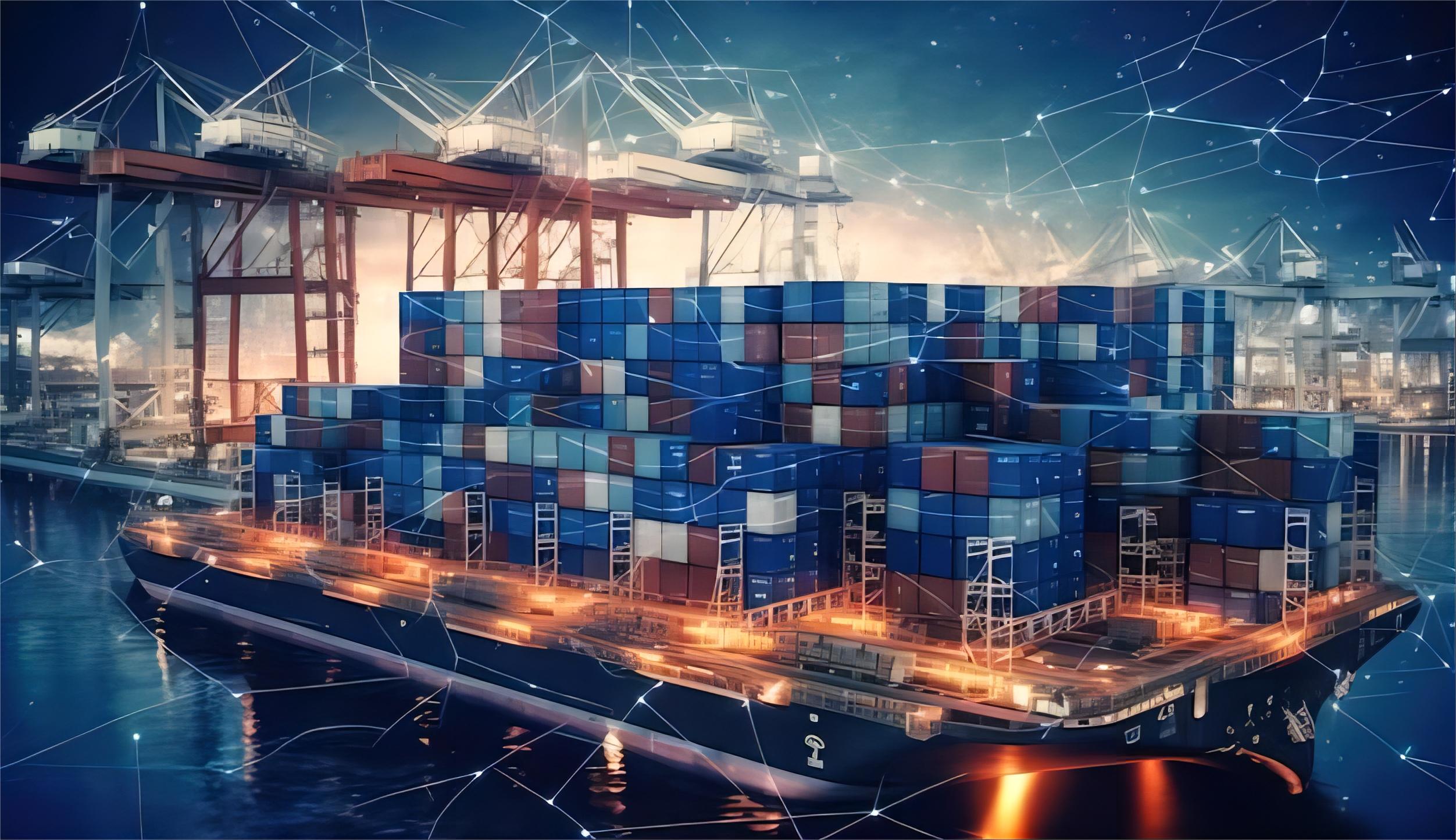
40HQ FCL Demurrage Prevention for Medical Equipment from China to Illinois
Shipping high-value healthcare technology requires precision and strict adherence to timelines to avoid astronomical port fees. Importers often face significant financial hurdles when 40HQ FCL demurrage prevention for medical equipment from China to Illinois is not prioritized during the planning phase. By partnering with a professional logistics provider like Top China Freight, businesses can streamline their supply chain and ensure that life-saving equipment reaches its destination without unnecessary delays or costs.
What is Demurrage and Why Does it Affect Medical Shipments?
Demurrage refers to the charges that ocean carriers apply when a container stays inside the terminal longer than the agreed free time. For 40HQ containers, these daily rates can escalate quickly, often doubling after the first few days of overstay. Consequently, importers of medical equipment must be particularly vigilant because their cargo often requires extra time for specialized inspections.
Medical equipment is frequently subject to regulatory holds by the FDA or other government agencies. Therefore, the risk of exceeding the standard four to seven days of free time is significantly higher for these shipments. Understanding the specific terms of your sea freight contract is the first step in preventing these predatory fees.
Moreover, the complexity of medical devices means that any discrepancy in the bill of lading or commercial invoice can trigger a full cargo exam. Meanwhile, the container remains at the port, racking up demurrage charges while the paperwork is sorted out. Effective planning involves anticipating these hurdles before the vessel even departs from China.
How to Implement 40HQ FCL Demurrage Prevention for Medical Equipment from China to Illinois
Successful prevention starts with securing extended free time during the initial booking process. Many carriers are willing to offer 10 to 14 days of free time at the destination if requested upfront by an experienced freight forwarder. Additionally, you should ensure all documentation is pre-cleared through customs brokerage experts well before the ship reaches the Illinois rail ramps.
Illinois is a unique destination because most cargo arrives via rail from West Coast ports like Los Angeles or Long Beach. As a result, the demurrage clock might start at the inland rail terminal rather than the coastal port. This distinction is vital for medical equipment importers who need to coordinate last-mile delivery to hospitals or clinics in Chicago or Peoria.
Furthermore, utilizing a pre-pull strategy can be highly effective for Illinois-bound containers. This involves moving the container from the rail yard to a private yard near the final destination before the free time expires. Indeed, the cost of private storage is almost always lower than the daily demurrage rates charged by the railroad or ocean carrier.
How Does FCL Shipping Compare to Other Options for Medical Cargo?
While FCL is the standard for large volumes, it is not always the only viable solution for medical supplies. For instance, smaller shipments might benefit from LCL, though this increases the risk of damage due to shared space. On the other hand, urgent medical devices are often better suited for air freight despite the higher initial cost.
Choosing between these methods requires a careful analysis of your budget and the urgency of the equipment. If a hospital in Illinois is waiting for a critical MRI machine, the cost of air freight is negligible compared to the daily loss of service. However, for bulk supplies like surgical gowns or syringes, 40HQ FCL remains the most economical choice provided that demurrage is avoided.
To help you decide, consider the following comparison of shipping methods based on current market trends for the China to Illinois route.
| Shipping Method | Cost Range (40HQ Equiv) | Transit Time | Best For |
|---|---|---|---|
| FCL (40HQ) | $4,500 – $6,500 | 30-40 Days | Bulk medical supplies |
| LCL (Per CBM) | $150 – $250 | 35-45 Days | Small device batches |
| Air Freight | $25,000 – $45,000 | 5-8 Days | Urgent medical gear |
| Rail (China-EU-US) | Not Applicable | N/A | Not for this route |

Which Shipping Option Should You Choose for Illinois Logistics?
Selecting the right strategy depends on your specific volume thresholds and delivery deadlines. If you are moving more than 15 cubic meters of cargo, FCL is generally more cost-effective than LCL. Nevertheless, you must account for the transit time to the Midwest, which includes the sea voyage and the rail transfer from the coast.
For those prioritizing speed without the expense of air freight, expedited ocean services are available. These services provide priority offloading and faster rail connections to Chicago. Consequently, they offer a middle ground that reduces the window for potential demurrage while maintaining a reasonable budget.
If your medical equipment is extremely sensitive to vibrations or temperature, you might require specialized refrigerated containers or ‘reefers’. These units have much higher demurrage rates than standard 40HQ containers. Accordingly, the precision of your door to door logistics plan must be even more rigorous.
Common Challenges in Medical Equipment Imports to Illinois
The primary challenge for Illinois imports is the congestion at major rail hubs like the Global IV terminal in Joliet. When these hubs are backed up, finding an available chassis to move your 40HQ container becomes difficult. Without a chassis, the container sits at the terminal, and demurrage charges begin to accumulate despite it being out of your control.
Another significant hurdle is the FDA’s ‘Prior Notice’ requirement for certain medical devices. If this notice is not filed correctly, the cargo will be held at the port of entry. In addition, the lack of coordination between the Chinese supplier and the US receiver often leads to delays in releasing the original Bill of Lading.
To mitigate these risks, ensure that your shipping partner has a strong presence in North America to handle local troubleshooting. Having a representative who can speak directly with the railroad or terminal operator in Illinois is invaluable. This local expertise is often the difference between a smooth delivery and thousands of dollars in penalties.
| Document Name | Purpose | Timing | Risk of Delay |
|---|---|---|---|
| Commercial Invoice | Valuation for Duties | Pre-shipment | High |
| FDA 510(k) | Medical Compliance | Pre-shipment | Very High |
| Bill of Lading | Title of Goods | At Departure | Medium |
| Packing List | Cargo Verification | Pre-shipment | Low |
Case Study 1: Shanghai to Chicago Medical Imaging Shipment
Case Study 1: High-Value Imaging Equipment Delivery. Route: Shanghai, China to Chicago, Illinois. Cargo: MRI components, 55 CBM, 12,500 kg. Container: 40HQ FCL.
Shipping Details: Carrier: ZIM. Port of Loading: Shanghai. Port of Discharge: Prince Rupert (Rail to Chicago). Route Type: Transshipment via rail.
Cost Breakdown: Ocean Freight: $5,200. Origin Charges: $450. Destination Charges: $850. Customs and Duties: $12,000. Total Landed Cost: $18,500.
Timeline: Booking to Loading: 5 days. Sea Transit: 14 days. Rail Transit: 10 days. Customs Clearance: 3 days. Total Door-to-Door: 32 days. Key Insight: Pre-filing FDA documents saved 4 days of potential demurrage at the Chicago rail ramp.
Case Study 2: Shenzhen to Joliet PPE Consumables
Case Study 2: Bulk Medical Consumables. Route: Shenzhen, China to Joliet, Illinois. Cargo: Surgical masks and gowns, 68 CBM, 8,000 kg. Container: 40HQ FCL.
Shipping Details: Carrier: COSCO. Port of Loading: Shenzhen. Port of Discharge: Long Beach (Rail to Joliet). Route Type: Intermodal rail.
Cost Breakdown: Ocean Freight: $4,800. Origin Charges: $400. Destination Charges: $700. Customs and Duties: $2,500. Total Landed Cost: $8,400.
Timeline: Booking to Loading: 4 days. Sea Transit: 16 days. Rail Transit: 12 days. Customs Clearance: 2 days. Total Door-to-Door: 34 days. Key Insight: Using a carrier with an integrated chassis pool prevented detention fees during a local trucking shortage.
Strategic Cost-Saving Measures for Illinois Importers
Beyond avoiding demurrage, there are several ways to reduce the overall cost of importing medical equipment. For example, consolidating multiple smaller orders into a single 40HQ container can significantly lower the per-unit shipping cost. This approach requires careful coordination with your Chinese suppliers but yields high dividends.
Additionally, you should investigate if your medical products qualify for any duty drawbacks or exemptions. Many healthcare items have specific HTS codes that carry lower tariff rates. Working with a knowledgeable broker can help you identify these savings and improve your bottom line.
Note: Freight rates are subject to change based on fuel costs, carrier capacity, and seasonal demand. Contact us for a current quote tailored to your specific shipment.
Final Thoughts on Preventing Demurrage for Illinois Medical Imports
In conclusion, successful 40HQ FCL demurrage prevention for medical equipment from China to Illinois requires a proactive approach and a deep understanding of intermodal logistics. By securing extended free time, ensuring document accuracy, and monitoring rail hub congestion, you can avoid the heavy penalties that often plague international shipping.
Professional logistics management is not just about moving boxes; it is about protecting your investment and ensuring that critical medical tools are available when they are needed most. Always stay informed about market trends and maintain open communication with your freight forwarding partners to navigate the complexities of the Illinois trade corridor successfully.
Ready to streamline your logistics?
Protect your medical equipment shipment from costly delays and ensure 40HQ FCL demurrage prevention for medical equipment from China to Illinois by contacting our team today. We provide customized logistics solutions that prioritize speed, safety, and cost-efficiency for your healthcare supply chain. Visit our website to request a professional quote and streamline your imports. Send Inquiry:
Request Quote