
40HQ FCL Container Shortage Solution for Electronics from China to Texas
The global supply chain faces persistent challenges, especially the 40HQ FCL container shortage for electronics from China to Texas. This scarcity disrupts delivery schedules and escalates shipping costs for businesses. Understanding these complexities is crucial for maintaining a robust supply chain. Top China Freight offers tailored strategies to overcome these hurdles effectively.
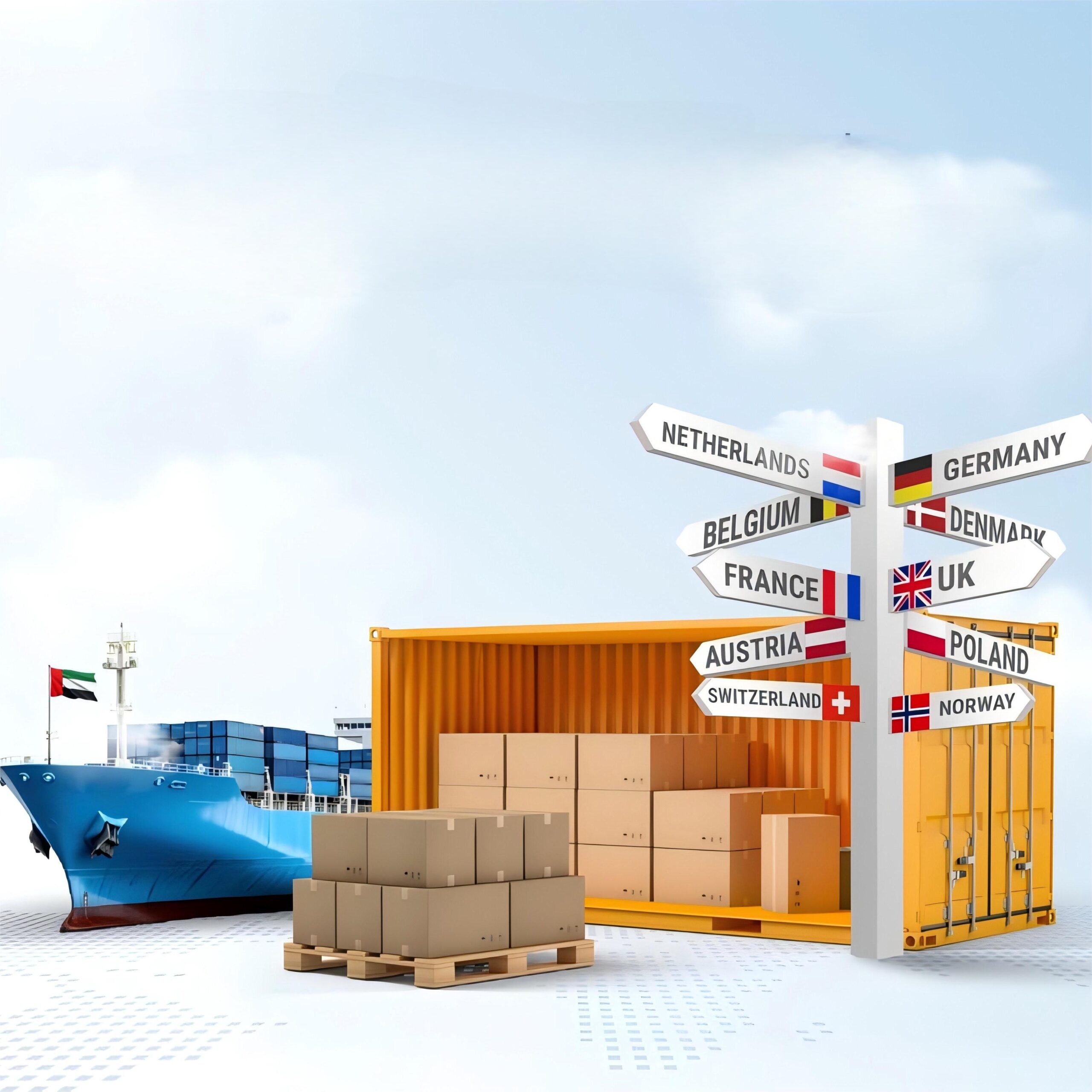
Understanding the 40HQ FCL Container Shortage for Electronics
The current global logistics landscape presents significant hurdles for businesses importing electronics. A major concern is the persistent 40HQ FCL container shortage, particularly impacting trade routes like China to Texas. This scarcity stems from various interconnected factors, creating a complex environment for supply chain managers.
Consequently, companies must adapt quickly to ensure their electronics reach the market. Proactive planning and strategic partnerships are more vital than ever. Effective solutions are needed to mitigate delays and control costs in this challenging environment.
What is Driving the 40HQ FCL Container Shortage?
Several factors contribute to the ongoing 40HQ FCL container shortage. These include unprecedented surges in global consumer demand, particularly for electronics, alongside persistent port congestion at major hubs. Moreover, an imbalance in container repositioning further exacerbates the problem.
This combination creates a bottleneck, making it difficult to secure adequate shipping capacity. The impact on the electronics supply chain from China to Texas is profound, leading to longer lead times and unpredictable freight rates.
Why is the China to Texas Route Particularly Affected?
The trade lane from China to Texas experiences unique pressures due to its high volume of electronics imports. Specific limitations at key Gulf Coast ports, such as Houston and Galveston, contribute significantly to delays. Furthermore, inland transportation challenges within Texas add another layer of complexity.
Indeed, these factors combine to make securing a 40HQ FCL container for electronics to Texas especially challenging. Businesses must therefore consider specialized strategies to navigate this demanding route successfully.
Strategic Solutions for Securing 40HQ FCL Capacity
Navigating the 40HQ FCL container shortage for electronics from China to Texas requires a strategic and proactive approach. Simply waiting for capacity to free up is no longer a viable option. Businesses must implement robust strategies to secure their essential shipping space.
Moreover, understanding the dynamics of carrier availability and market trends is crucial. This helps in making informed decisions that safeguard your supply chain during uncertain times. Expert guidance can significantly streamline this process.
How Can You Secure 40HQ FCL Containers Amid Shortages?
Securing 40HQ FCL containers demands aggressive planning and flexibility. Implementing early booking strategies is paramount, often several weeks or even months in advance. Additionally, being open to flexible sailing schedules can unlock more capacity options.
Developing strong relationships with carriers and freight forwarders also provides a competitive edge. This emphasis on proactive planning is vital for electronics imports, ensuring your cargo has a confirmed slot even during peak demand.
Leveraging Direct Carrier Relationships and Network Strengths
The importance of freight forwarders with established direct carrier relationships cannot be overstated. These strong ties often translate into preferential access to available container slots. Consequently, this helps in mitigating the impact of the 40HQ FCL container shortage.
Furthermore, such networks can often negotiate better FCL freight rates China Texas, even during tight market conditions. This invaluable resource ensures your electronics shipments maintain a smoother trajectory to their destination.
How Does FCL Compare to Other Shipping Options?
When facing a 40HQ FCL container shortage, evaluating alternative shipping methods is essential for electronics importers. Each option presents unique trade-offs between cost, speed, and capacity. Understanding these differences allows for more agile supply chain decisions.
Therefore, a comprehensive comparison is necessary to determine the most suitable strategy for your specific cargo and business needs. This comparative analysis helps in optimizing your logistics, even under challenging market conditions.
Sea Freight (FCL/LCL) vs. Air Freight for Electronics
The choice between sea and air freight for electronics hinges on a critical balance of cost and urgency. Sea freight, whether FCL or LCL, remains the most economical option for large volumes. However, it involves significantly longer transit times.
In contrast, air freight offers unparalleled speed, making it ideal for high-value, time-sensitive electronics or urgent restocking. Nevertheless, its cost is substantially higher, often making it prohibitive for bulk shipments.
| Shipping Method | Cost Range (40HQ equivalent) | Transit Time (China to Texas) | Key Characteristics |
|---|---|---|---|
| FCL Sea Freight (40HQ) | $4,500 – $6,500 | 30-40 days | Economical for bulk, but slow with congestion risk. |
| LCL Sea Freight | $80-120/CBM | 35-45 days | Flexible for smaller volumes, higher per CBM, potential delays. |
| Air Freight | $15,000 – $25,000 | 5-7 days | Fastest for urgent/high-value, but very high cost. |
Considering Hybrid and Alternative Shipping Strategies
Hybrid solutions, such as sea-air combinations, offer a middle ground for electronics shipments. These can provide faster transit than pure sea freight while being more cost-effective than direct air freight. This approach is gaining traction for its balanced benefits.
Additionally, exploring alternative routing or transshipment options might alleviate pressure on direct routes. However, these strategies must be carefully evaluated for potential added complexity or slight increases in transit time. Always consider the specific needs of your electronics cargo.
Optimizing Your Electronics Supply Chain to Texas
An optimized supply chain is paramount for businesses importing electronics, especially amidst a 40HQ FCL container shortage. Streamlining processes from origin to destination minimizes delays and enhances efficiency. This comprehensive approach addresses various critical aspects of logistics.
Therefore, focusing on best practices and leveraging expert services can significantly improve your operational flow. This ensures timely delivery and reduces overall shipping costs for electronics from China to Texas.
What are the Best Practices for Sea Freight for Electronics?
For electronics shipped via sea freight, consolidating multiple smaller orders into full containers is a smart move. This maximizes space utilization and reduces per-unit shipping costs. Furthermore, optimizing container loading plans prevents damage and ensures stability.
Careful cargo handling for fragile electronics is also non-negotiable. Proper packaging and dunnage are essential to protect sensitive components during the long journey. These practices significantly contribute to a successful shipment.
Navigating Customs and Compliance for Electronics Imports
Accurate documentation and adherence to import regulations are critical for avoiding customs delays. Electronics often have specific tariff codes, certifications, and compliance requirements. Incorrect paperwork can lead to costly penalties and extended holds.
Utilizing professional customs brokerage services is therefore essential for smooth clearance. Experts ensure all duties, taxes, and declarations are correctly handled, speeding up the import process into Texas. This prevents unexpected issues with electronics import regulations Texas.
Ensuring Smooth Door-to-Door Delivery
Seamless logistics from the factory floor in China to your warehouse in Texas is vital. Integrated door-to-door services manage every step of the journey, simplifying the complex process for electronics. This comprehensive approach minimizes hand-offs and potential errors.
Such services ensure consistent communication and coordination throughout the electronics supply chain China Texas. Ultimately, this reduces stress and provides greater predictability for your delivery schedule, even during container shortages.
Cost-Saving Strategies and Trade-offs
In an environment marked by a 40HQ FCL container shortage and fluctuating freight rates, cost-saving strategies are crucial. Businesses must explore various avenues to mitigate rising shipping costs for electronics. This involves evaluating trade-offs between speed, reliability, and expense.
Indeed, smart financial planning in logistics can significantly impact your bottom line. Companies should actively seek ways to optimize their spending without compromising essential delivery commitments. This proactive approach helps maintain competitive pricing.
How to Mitigate Rising Shipping Costs for Electronics?
Mitigating rising shipping costs for electronics involves several key strategies. Negotiating long-term contracts with carriers or freight forwarders can lock in more favorable rates. Additionally, exploring alternative port options, even if slightly further inland, might offer cost advantages.
Consider flexible delivery schedules to avoid peak surcharges, which often occur during high-demand periods. Consolidating orders and optimizing packaging also reduce overall volumetric weight, further cutting down expenses for your electronics shipments.
LCL vs. FCL: When to Choose Which for Electronics
For smaller, less urgent electronics shipments, LCL (Less than Container Load) can be a more economical choice than a full 40HQ FCL. This allows you to pay only for the space your cargo occupies. However, LCL often involves longer transit times due to consolidation and deconsolidation processes.
Conversely, FCL is more cost-effective per unit for larger volumes, offering quicker transit and less handling. Analyze your cargo volume thresholds carefully; for instance, shipments under 15 CBM might be better suited for LCL, especially during a 40HQ FCL container shortage.
Impact of Port Congestion on Amazon FBA Shipments to Texas
Port congestion directly impacts Amazon FBA inventory levels, causing potential stock-outs and lost sales. Delays at major ports like Houston can significantly disrupt your supply chain to Amazon fulfillment centers in Texas. This necessitates careful planning.
To counteract this, strategies include pre-planning shipments well in advance and utilizing multiple warehouses or FBA centers if possible. Furthermore, consider using expedited services for critical replenishment, ensuring your electronics reach Amazon FBA on time.
Real-World Case Studies: Overcoming Shortages
Examining real-world scenarios provides valuable insights into navigating the 40HQ FCL container shortage for electronics from China to Texas. These case studies highlight practical solutions and strategic decisions made under pressure. They demonstrate how different approaches yield successful outcomes.
Indeed, understanding these examples can help businesses tailor their own logistics strategies. Each case illustrates how adaptability and expert partnership are crucial for maintaining supply chain resilience. Note: Freight rates are subject to change based on fuel costs, carrier capacity, and seasonal demand. Contact us for a current quote tailored to your specific shipment.
Case Study 1: Urgent High-Value Electronics via Air
A client needed to quickly restock high-demand electronics before a major sales event in Texas. The severe 40HQ FCL container shortage necessitated an expedited solution to meet tight deadlines. Air freight, though costly, was chosen for its speed and reliability.
This decision ensured the high-value tablets arrived promptly, preventing significant revenue loss during a critical sales period. This highlights prioritizing speed for time-sensitive, high-value electronics during FCL shortages. Based on Q3 2024 market rates.
| Detail | Description |
|---|---|
| Route | Shenzhen, China -> Houston, USA |
| Cargo | High-end Tablets, 5 CBM, 1500 kg |
| Container | Air Cargo Pallets |
| Shipping Details | |
| – Carrier/Service | Major Air Cargo Carrier |
| – Port of Loading | SZX (Shenzhen Bao’an International Airport) |
| – Port of Discharge | IAH (George Bush Intercontinental Airport) |
| – Route Type | Direct |
| Cost Breakdown | |
| – Air Freight | $18,000 |
| – Origin Charges | $500 |
| – Destination Charges | $400 |
| – Customs & Duties (estimated) | $1,200 |
| – Total Landed Cost | $20,100 |
| Timeline | |
| – Booking to Loading | 2 days |
| – Air Transit | 2 days |
| – Customs Clearance | 1 day |
| – Total Door-to-Door | 6 days |
| Key Insight | Prioritizing speed for time-sensitive, high-value electronics justified the higher air freight cost during FCL shortages. |
Case Study 2: Bulk Consumer Electronics for Holiday Season
A retailer faced potential stock-outs of popular consumer electronics during Q4, a peak sales period. Despite the pervasive 40HQ FCL container shortage, securing dedicated FCL space was absolutely critical. They opted for an expedited sea freight service to guarantee delivery.
Early booking and choosing a premium, direct carrier service helped secure a 40HQ FCL container from Ningbo to Houston. This ensured shelves were stocked for the holiday rush, mitigating sales loss. Typical rates as of early 2025.
| Detail | Description |
|---|---|
| Route | Ningbo, China -> Houston, USA |
| Cargo | Smart Home Devices, 68 CBM, 12,000 kg |
| Container | 40HQ FCL |
| Shipping Details | |
| – Carrier/Service | COSCO – Premium Service |
| – Port of Loading | NGB (Ningbo-Zhoushan Port) |
| – Port of Discharge | HOU (Port of Houston) |
| – Route Type | Direct |
| Cost Breakdown | |
| – Ocean Freight | $6,200 (Q4 2024 rate) |
| – Origin Charges | $450 |
| – Destination Charges | $380 |
| – Customs & Duties (estimated) | $2,500 |
| – Total Landed Cost | $9,530 |
| Timeline | |
| – Booking to Loading | 7 days |
| – Sea Transit | 32 days |
| – Customs Clearance | 3 days |
| – Total Door-to-Door | 45 days |
| Key Insight | Early booking and choosing a premium, direct carrier service helped secure a 40HQ FCL container despite peak season demand. |
Case Study 3: New Product Launch with LCL Flexibility
A tech startup launched a new wearable device and required initial inventory in Texas. With limited capital and uncertain sales forecasts, a full 40HQ FCL was not ideal, especially given the current shortage. LCL provided the necessary flexibility for this new product.
This approach allowed the startup to manage inventory and cash flow efficiently, scaling up as demand grew. LCL proved a cost-effective solution for a smaller, non-urgent electronics shipment during a 40HQ FCL container shortage. According to industry benchmarks.
| Detail | Description |
|---|---|
| Route | Shanghai, China -> Dallas, USA (via Houston) |
| Cargo | Wearable Devices, 10 CBM, 2,000 kg |
| Container | LCL (Less than Container Load) |
| Shipping Details | |
| – Carrier/Service | Maersk – LCL Consolidation |
| – Port of Loading | SHG (Port of Shanghai) |
| – Port of Discharge | HOU (Port of Houston) |
| – Route Type | Transshipment via Busan |
| Cost Breakdown | |
| – Ocean Freight (LCL) | $1,100 ($110/CBM) |
| – Origin Charges | $300 |
| – Destination Charges | $250 |
| – Customs & Duties (estimated) | $800 |
| – Total Landed Cost | $2,450 |
| Timeline | |
| – Booking to Loading | 5 days |
| – Sea Transit | 38 days |
| – Customs Clearance | 4 days |
| – Total Door-to-Door | 50 days |
| Key Insight | LCL provided a cost-effective and flexible solution for a smaller, non-urgent electronics shipment during a 40HQ FCL container shortage. |
Which Option Should You Choose? A Decision Framework
Making informed decisions about your electronics shipments is critical, particularly when navigating a 40HQ FCL container shortage. The optimal solution depends heavily on your specific business priorities. Therefore, a structured approach helps in selecting the most appropriate shipping method.
Carefully weighing various factors ensures your logistics strategy aligns with your overall objectives. This framework guides you through the process of choosing the best option for your unique requirements. It helps to simplify complex choices.
Key Criteria for Selecting Your Shipping Method
When selecting a shipping method, evaluate your budget priority first. If cost is the primary concern, slower, more economical options are generally preferred. Conversely, speed priority demands faster, albeit more expensive, solutions.
Consider your cargo type and its specific requirements, such as fragility or hazardous nature. Finally, assess volume thresholds; smaller shipments might benefit from LCL, while larger ones require FCL or multiple containers. Each factor influences the ideal choice.
| Priority | Recommended Option(s) | Considerations |
|---|---|---|
| Budget-driven | LCL Sea Freight, Standard FCL (early booking) | Longer transit, potential for minor delays |
| Speed-driven | Air Freight, Sea-Air Hybrid | Significantly higher cost, suitable for urgent, high-value electronics |
| Volume-driven (Large) | Dedicated FCL (premium carriers), Multiple LCLs | Requires proactive planning, potential for split shipments |
| Cargo Type (Fragile/High-Value) | Dedicated FCL, Air Freight | Enhanced handling, specialized packaging, higher insurance |
Market Outlook and Future Trends
Staying abreast of market intelligence and future trends is essential for any business importing electronics. The logistics landscape is constantly evolving, with new challenges and opportunities emerging regularly. Proactive monitoring helps anticipate potential disruptions.
Indeed, understanding these dynamics allows for more resilient supply chain planning. This foresight is critical for managing the ongoing 40HQ FCL container shortage and optimizing operations. Adaptability remains a key asset in this dynamic environment.
Navigating Future Logistics Trends for Electronics Shipping
As of Q1 2025, freight rates from China to Texas remain elevated due to ongoing supply chain pressures and geopolitical events. However, industry data suggests new vessel deployments are expected to gradually ease some capacity constraints. This offers a glimmer of hope.
Moreover, increased investment in port infrastructure and digital logistics platforms aims to improve efficiency. These developments could mitigate the long-term impact of the 40HQ FCL container shortage. Nevertheless, vigilance is still advised.
Seasonal Impacts and Rate Fluctuations
Seasonal patterns significantly influence freight rates and container availability. Rates typically increase 15-25% during the August-October peak season, driven by holiday demand. Furthermore, pre-Lunar New Year surges also create intense pressure.
Businesses should plan their electronics shipments well in advance of these predictable periods. This proactive scheduling helps avoid last-minute rush surcharges and ensures better chances of securing a 40HQ FCL container. Market data suggests this is a consistent pattern.
The Role of Technology in Supply Chain Resilience
Technological advancements are playing an increasingly crucial role in building supply chain resilience. Digital platforms offer real-time tracking and enhanced visibility into shipment status. This allows for quicker adjustments and proactive problem-solving.
Furthermore, data analytics and AI-driven forecasting tools help predict demand and potential disruptions more accurately. Embracing these innovations is vital for effectively managing the 40HQ FCL container shortage and maintaining a competitive edge in electronics logistics.
Conclusion: Mastering Electronics Logistics Amidst Shortages
Overcoming the 40HQ FCL container shortage for electronics from China to Texas demands strategic planning and adaptable solutions. By leveraging expert freight forwarding services and exploring diverse shipping options, businesses can maintain efficient supply chains. This ensures timely delivery and customer satisfaction.
Indeed, proactive management and informed decisions are key to navigating current logistics challenges successfully. Partnering with a reliable expert provides the necessary insights and resources to thrive, even in a volatile market. Always seek professional advice for your unique shipping needs.
Need a tailored shipping solution?
Don’t let the 40HQ FCL container shortage disrupt your electronics supply chain from China to Texas. Partner with us to navigate these complexities, secure your shipments, and optimize your logistics. Contact us today for a personalized quote and expert solutions.