
40HQ FCL Booking Process for Machinery from China to Texas
Navigating the 40HQ FCL booking process for machinery from China to Texas requires meticulous planning and a deep understanding of international logistics. Importers must manage complex documentation and coordinate with multiple parties to ensure heavy equipment arrives safely in the Lone Star State. Partnering with a reliable expert like Top China Freight ensures that your high-value machinery reaches its destination without unnecessary delays or hidden costs. This guide provides a comprehensive roadmap for businesses looking to streamline their supply chain between Chinese manufacturing hubs and Texas industrial centers.
Understanding the 40HQ FCL Booking Process for Machinery from China to Texas
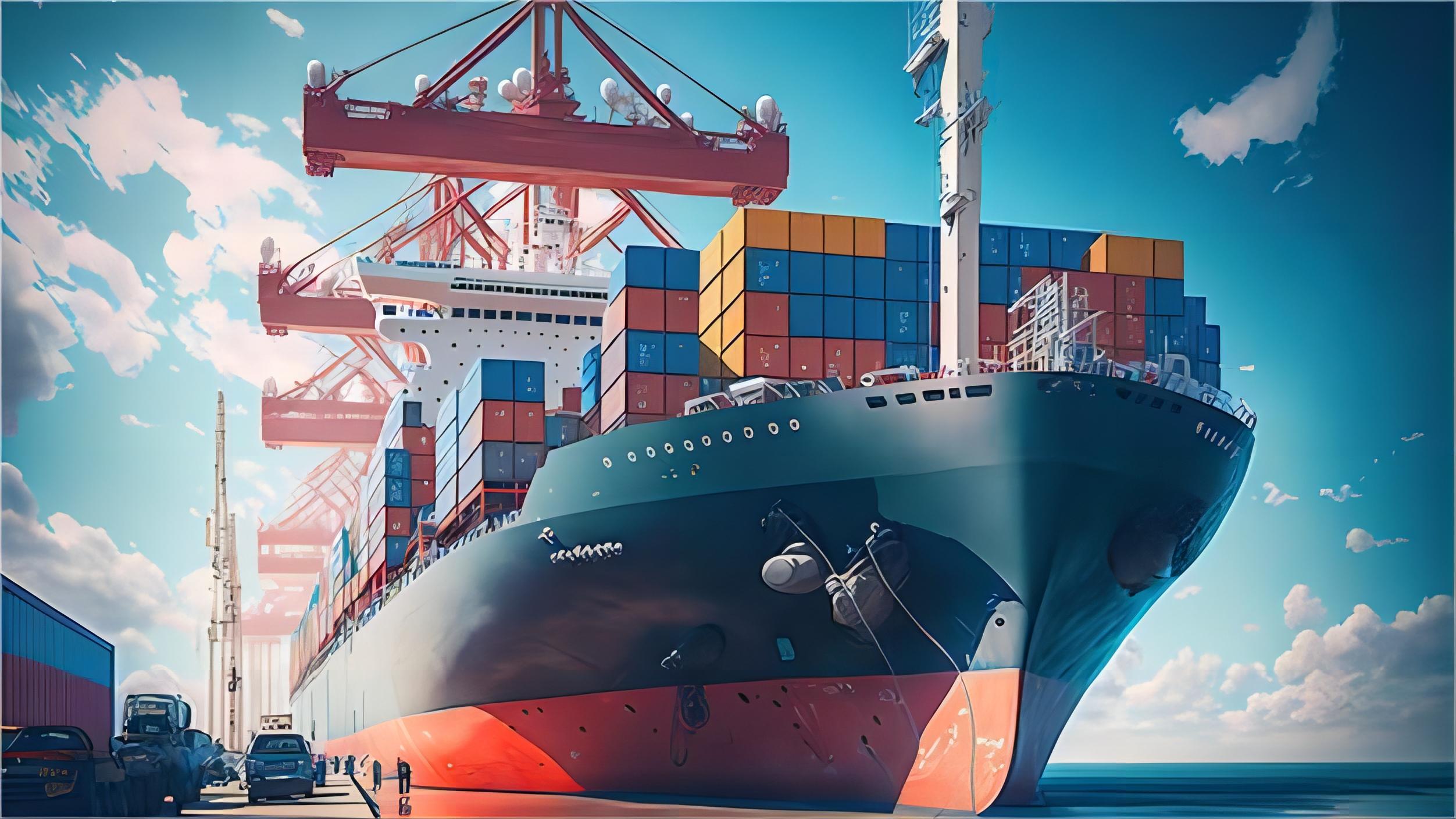
The 40HQ FCL booking process for machinery from China to Texas begins with choosing the right container for your specific cargo dimensions. Most industrial equipment fits perfectly into a 40-foot High Cube (40HQ) container because of the extra foot of vertical space it provides compared to standard units. Consequently, this extra height allows for larger machinery components or specialized protective packaging that might otherwise require more expensive shipping methods.
Furthermore, selecting a Full Container Load (FCL) ensures that your machinery remains isolated from other shippers’ goods during transit. This exclusivity reduces the risk of damage from shifting cargo and simplifies the loading and unloading procedures at both the origin and destination. Indeed, for high-precision machinery, the security of a sealed container is often the most critical factor in the logistics decision-making process.
To initiate the booking, you must provide accurate weight and dimension specifications to your freight forwarder. They will then check vessel space and equipment availability with major carriers serving the China-US routes. Once the space is confirmed, you receive a booking note, which serves as the official authorization to pick up the empty container from the port depot.
Key Documentation for Shipping Industrial Equipment
Managing documentation is perhaps the most vital step in the 40HQ FCL booking process for machinery from China to Texas. You must prepare a detailed commercial invoice, a packing list, and a Bill of Lading that clearly describes the machinery being shipped. Moreover, specialized equipment often requires certificates of origin or technical data sheets to satisfy US Customs and Border Protection requirements.
Additionally, ensuring that your customs brokerage partner has all the necessary paperwork in advance can prevent costly storage fees at the port. For machinery, you must also consider the Harmonized System (HS) codes, which determine the duty rates and taxes applicable to your shipment. Inaccurate coding can lead to significant delays and potential fines during the import process.
Therefore, we recommend double-checking all serial numbers and model names against the physical cargo before the container is sealed. This attention to detail ensures that the manifest matches the actual contents, facilitating a smoother transition through both Chinese export control and American import inspections.
How Does 40HQ FCL Compare to Other Shipping Options?
While the 40HQ FCL booking process for machinery from China to Texas is the standard for many, it is essential to evaluate alternative methods. Depending on your budget and urgency, other strategies might offer better value for specific scenarios. For instance, if you are shipping smaller components, Less than Container Load (LCL) might seem cheaper, but it carries a higher risk of handling damage.
On the other hand, extremely large machinery that cannot fit in a container may require Flat Rack or Roll-on/Roll-off (RORO) services. These methods are typically more expensive and involve different booking procedures than standard FCL shipments. Nevertheless, for standard industrial equipment, the 40HQ container remains the most cost-effective and secure balance for the trans-Pacific journey.
Consider the following comparison to determine which method aligns best with your current logistics needs and delivery schedule.
| Shipping Method | Cost Range | Transit Time | Best For |
|---|---|---|---|
| 40HQ FCL | $4,500 – $6,500 | 30 – 40 Days | Standard Machinery |
| LCL Shipping | $80 – $150/CBM | 35 – 45 Days | Small Spare Parts |
| Air Freight | $15,000+ | 5 – 8 Days | Urgent Repairs |
| RORO/OOG | $8,000 – $12,000 | 35 – 50 Days | Oversized Units |
Logistics Workflow for Texas-Bound Machinery
The logistics workflow for Texas-bound machinery involves several critical hand-off points between the factory in China and your facility. First, the empty 40HQ container is transported to the factory for loading, where the machinery must be properly braced and lashed. Subsequently, the loaded container returns to the port of loading, such as Shanghai or Shenzhen, for export clearance.
Choosing a reliable sea freight service is the next step, as transit times can vary significantly depending on the carrier and the specific Texas port. Most shipments to Texas enter through the Port of Houston or are transported via rail from West Coast ports like Los Angeles. This ‘land-bridge’ option can sometimes save time but may involve more handling than a direct water route to the Gulf Coast.
Moreover, if your facility is located inland, such as in Dallas or San Antonio, you should consider a door to door service. This comprehensive solution covers the entire journey, including the final drayage from the rail ramp or port to your warehouse. Consequently, this reduces the administrative burden on your team and ensures a single point of accountability for the entire shipment.
Case Studies: Real-World Machinery Shipments to Texas
To illustrate the 40HQ FCL booking process for machinery from China to Texas, we have compiled two recent examples from our logistics records. These cases highlight the typical costs, timelines, and challenges faced by importers in the current market. These details are based on late 2024 and early 2025 market data.
Case Study 1: CNC Machine Tools from Ningbo to Houston Route: Ningbo, China to Houston, Texas Cargo: 3 CNC Lathes, 45 CBM, 18,000 kg Container: 1 x 40HQ FCL Shipping Details: – Carrier: COSCO – Port of Loading: Ningbo – Port of Discharge: Houston – Route Type: Direct via Panama Canal Cost Breakdown: – Ocean Freight: $5,200 – Origin Charges: $450 – Destination Charges: $850 – Customs and Duties: $4,200 – Total Landed Cost: $10,700 Timeline: – Booking to Loading: 5 days – Sea Transit: 34 days – Customs Clearance: 3 days – Total Door-to-Door: 42 days Key Insight: Direct water service to Houston avoided rail congestion at West Coast ports, ensuring the machinery arrived in pristine condition.
Case Study 2: Industrial Saws from Qingdao to Dallas Route: Qingdao, China to Dallas, Texas Cargo: Woodworking Machinery, 52 CBM, 12,500 kg Container: 1 x 40HQ FCL Shipping Details: – Carrier: Maersk – Port of Loading: Qingdao – Port of Discharge: Los Angeles (Rail to Dallas) – Route Type: Intermodal Land-Bridge Cost Breakdown: – Ocean Freight: $4,800 – Origin Charges: $400 – Destination Charges: $1,100 – Customs and Duties: $3,500 – Total Landed Cost: $9,800 Timeline: – Booking to Loading: 4 days – Sea Transit: 16 days – Rail Transit: 7 days – Customs Clearance: 2 days – Total Door-to-Door: 29 days Key Insight: Using the LA land-bridge saved 10 days of transit time compared to the all-water route, which was vital for the client’s production schedule.
Cost Factors and Pricing Trends for 2025
Understanding the pricing trends for shipping to North America is essential for accurate budgeting. Freight rates are influenced by seasonal demand, fuel surcharges, and global carrier capacity. For instance, rates typically spike during the peak season from August to October as retailers prepare for the holidays.
Furthermore, the 40HQ FCL booking process for machinery from China to Texas may involve additional costs such as General Rate Increases (GRI) or Peak Season Surcharges (PSS). As of early 2025, market data suggests that rates have stabilized but remain sensitive to geopolitical shifts and port labor negotiations. Therefore, we always recommend securing a quote at least 2-3 weeks before your planned shipping date.
Note: Freight rates are subject to change based on fuel costs, carrier capacity, and seasonal demand. Contact us for a current quote tailored to your specific shipment.
Which Shipping Option Should You Choose?
Deciding on the best logistics strategy depends on your specific business priorities. If your primary goal is cost-effectiveness and you have a flexible timeline, the all-water route to Houston is usually the best choice. However, if you need the machinery urgently to meet a project deadline, the intermodal route via the West Coast is superior.
Additionally, for very high-value or fragile machinery, you might consider express service for the critical electronic components while shipping the heavy frames via sea. This hybrid approach ensures that sensitive parts spend less time in transit and are handled with more care. Ultimately, the right choice balances speed, safety, and budget.
In addition, always evaluate the volume of your shipment. If you have enough cargo to fill 75% or more of a 40HQ container, FCL is almost always more economical than LCL. This threshold is a key decision point for many growing businesses in the Texas industrial sector.
Finalizing Your Machinery Shipment to Texas
To summarize, the 40HQ FCL booking process for machinery from China to Texas is a multi-step journey that requires careful coordination. By understanding the container options, preparing accurate documentation, and choosing the right transit route, you can significantly reduce shipping risks. Whether you choose a direct water route or an intermodal land-bridge, staying informed about market trends and customs requirements is the key to success.
Indeed, the Texas industrial market continues to grow, and having a robust supply chain from China is a competitive advantage. We encourage you to apply the insights from this guide to optimize your logistics operations. For any further assistance with the 40HQ FCL booking process for machinery from China to Texas, our team is always here to help you navigate the complexities of international trade.
Ready to streamline your logistics?
Ready to streamline your 40HQ FCL booking process for machinery from China to Texas? Contact our logistics experts today for a personalized quote and expert guidance on your next shipment. Send Inquiry
Request Quote