
40HQ FCL Best Route for Lighting from China to Denmark
Importing lighting fixtures from China to Denmark requires careful planning. Securing the 40HQ FCL best route for lighting from China to Denmark is crucial for cost-efficiency and timely delivery. This comprehensive guide, brought to you by Top China Freight, explores optimal shipping strategies for your valuable cargo. We aim to simplify the complexities of international freight logistics, providing clear solutions for your specific needs.
What is 40HQ FCL Shipping and Why Choose It for Lighting?
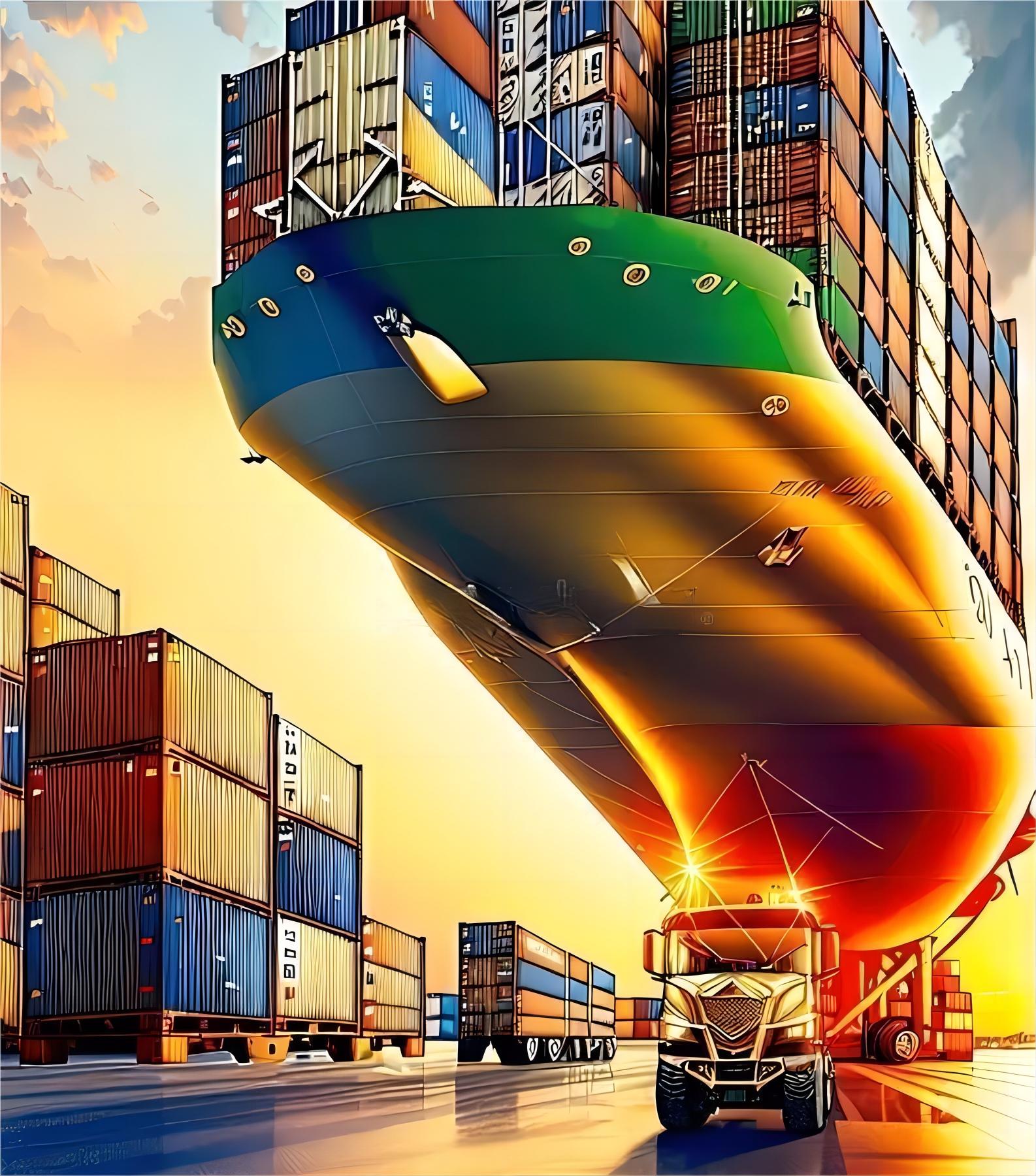
Full Container Load (FCL) shipping, specifically using a 40HQ (High Cube) container, offers significant advantages for importing large volumes of goods. This method means your cargo occupies the entire container, providing enhanced security and reducing handling risks. It is therefore ideal for delicate items like lighting fixtures.
A 40HQ container provides approximately 76 cubic meters of space, suitable for substantial lighting fixture orders. This capacity helps maximize cost-efficiency per unit when shipping from China to Denmark. Furthermore, FCL shipping streamlines the logistics process by avoiding consolidation with other goods.
Choosing FCL for your lighting imports to Denmark minimizes potential damage during transit. The direct loading and unloading reduce touchpoints, which is vital for fragile products. Consequently, this method often leads to faster transit times compared to less-than-container-load (LCL) options.
What are the Critical Factors for Your China to Denmark Lighting Route?
Selecting the optimal shipping route from China to Denmark involves several critical factors. Primarily, you must consider the origin port in China, the destination port in Denmark, and the overall transit time. These choices directly impact both cost and delivery schedule.
For example, major Chinese ports like Shanghai, Ningbo, and Shenzhen offer frequent sailings to European hubs. In Denmark, Copenhagen (Aarhus also significant) serves as the primary receiving port. Understanding these options is essential for efficient planning.
Furthermore, cargo handling procedures and specific requirements for lighting fixtures play a crucial role. Ensuring proper packaging and documentation prevents delays. Consequently, a detailed logistics plan from factory to final destination is paramount.
Why is Sea Freight the Best Route for Lighting from China to Denmark?
Indeed, sea freight remains the most economical and common choice for shipping 40HQ FCL lighting from China to Denmark. This method offers significant cost savings for large volumes compared to air freight. It is particularly suitable for non-urgent, heavy, or bulky shipments.
Direct routes typically involve vessels departing from major Chinese ports and arriving at key Danish ports, mainly Copenhagen. The transit time usually ranges from 28 to 35 days. Furthermore, opting for sea freight ensures a balance between cost and efficiency.
However, choosing a reliable carrier and understanding their service schedules is vital. Port congestion can sometimes cause delays, making flexible planning beneficial. Therefore, partnering with an experienced freight forwarder is highly recommended.
How Does FCL Sea Freight Compare to Other Shipping Options?
While FCL sea freight is often the preferred method, understanding alternatives is crucial for a comprehensive logistics strategy. Different shipping modes offer varying trade-offs between speed, cost, and capacity. For instance, air freight provides speed, but at a significantly higher price point.
Rail freight, while not directly applicable for China-Denmark sea routes for this specific FCL scenario, is an option for other European destinations and offers a middle ground in terms of speed and cost. However, for direct port-to-port China to Denmark, sea remains dominant.
Moreover, knowing when to consider these alternatives can optimize your overall shipping to Europe. This comparison helps in making informed decisions based on urgency and budget. We must evaluate each option carefully.
| Shipping Method | Cost Range (40HQ) | Transit Time | Best For | Limitations |
|---|---|---|---|---|
| FCL Sea Freight | $3,000 – $4,200 | 28 – 35 days | Large volumes, cost-efficiency, non-urgent | Slower, potential port delays |
| LCL Sea Freight | $50 – $80/CBM | 35 – 45 days | Smaller volumes (under 15 CBM), budget-conscious | Longer transit, more handling, consolidation delays |
| Air Freight | $15,000 – $25,000 | 5 – 7 days | Urgent, high-value, small volume | Very high cost, limited capacity for 40HQ equivalent |
How Can You Optimize Your Lighting Supply Chain and Reduce Costs?
Optimizing your supply chain for lighting imports involves more than just selecting a shipping method. It demands strategic planning for every stage, from factory pickup to final delivery. Employing efficient inventory management is key to minimizing storage expenses.
Furthermore, consolidating multiple supplier orders into a single 40HQ FCL shipment can drastically reduce per-unit shipping costs. This approach maximizes container utilization. Consequently, it improves overall freight rates.
Additionally, consider the benefits of door-to-door services. This comprehensive solution covers all logistical aspects, including customs clearance and inland transportation. It simplifies the process for importers, saving time and effort.
Navigating Customs Clearance for Lighting Imports to Denmark
Successful importation of lighting fixtures into Denmark relies heavily on accurate customs clearance and documentation. Improper paperwork can lead to significant delays and unexpected costs. Therefore, understanding Danish import regulations is paramount.
Key documents typically include the commercial invoice, packing list, bill of lading, and certificate of origin. Moreover, specific certifications or declarations might be required for certain types of lighting products. Compliance with EU standards is essential.
Engaging a professional for customs brokerage services can streamline this complex process. They ensure all declarations are correct and submitted on time. This expertise helps prevent unforeseen issues and ensures smooth entry into Denmark.
Real-World Scenarios: 40HQ FCL Lighting Shipments
To illustrate the practicalities of shipping lighting from China to Denmark, let’s examine a couple of realistic case studies. These examples highlight diverse cargo types and logistical considerations. They provide concrete insights into potential costs and timelines.
Case Study 1: Large Volume LED Panels to Copenhagen
This case highlights an efficient 40HQ FCL shipment of LED panels, demonstrating typical transit times and costs. The client needed a reliable solution for a substantial order, prioritizing cost-effectiveness over extreme speed. This approach optimized their budget significantly.
| Detail | Value |
|---|---|
| Route | Guangzhou, China -> Copenhagen, Denmark |
| Cargo | 2,500 units of LED panels, 70 CBM, 12,000 kg |
| Container | 40HQ |
| Shipping Details | |
| – Carrier/Service | MSC |
| – Port of Loading | Nansha, Guangzhou |
| – Port of Discharge | Copenhagen |
| – Route Type | Direct |
| Cost Breakdown | |
| – Ocean Freight | $3,850 |
| – Origin Charges (THC, documentation) | $450 |
| – Destination Charges | $600 |
| – Customs & Duties (estimated) | $1,500 |
| – Total Landed Cost | $6,400 |
| Timeline | |
| – Booking to Loading | 5 days |
| – Sea Transit | 30 days |
| – Customs Clearance | 2 days |
| – Total Door-to-Door | 37 days |
| Key Insight | Strategic port selection and direct service minimized transit time and costs, based on Q4 2024 market rates. |

Case Study 2: Fragile Designer Lamps to Aarhus
This scenario involved delicate designer lamps requiring extra care during transit. The focus was on secure handling and minimizing risks, making FCL the ideal choice. The client valued product integrity above all else.
| Detail | Value |
|---|---|
| Route | Ningbo, China -> Aarhus, Denmark |
| Cargo | 1,800 units of designer lamps, 65 CBM, 9,500 kg |
| Container | 40HQ |
| Shipping Details | |
| – Carrier/Service | Maersk |
| – Port of Loading | Ningbo |
| – Port of Discharge | Aarhus |
| – Route Type | Transshipment via Felixstowe |
| Cost Breakdown | |
| – Ocean Freight | $3,980 |
| – Origin Charges (THC, documentation) | $480 |
| – Destination Charges | $650 |
| – Customs & Duties (estimated) | $1,800 |
| – Total Landed Cost | $6,910 |
| Timeline | |
| – Booking to Loading | 7 days |
| – Sea Transit | 33 days |
| – Customs Clearance | 3 days |
| – Total Door-to-Door | 43 days |
| Key Insight | Careful packaging and a reliable transshipment partner ensured safe delivery for fragile items, typical rates as of early 2025. |
Current Market Conditions Affecting China to Denmark Freight Rates
Global logistics trends significantly influence freight rates and transit times for the China to Denmark route. As of Q1 2025, freight rates from China to Europe have stabilized somewhat after the 2024 Red Sea disruptions. However, volatility remains a factor.
Seasonal patterns also play a critical role; rates typically increase by 15-25% during the August-October peak season. Planning shipments outside these periods can yield considerable savings. Moreover, carrier capacity fluctuates, impacting availability.
According to industry benchmarks, booking in advance helps secure better rates and ensures vessel space. Supply chain resilience is increasingly prioritized by importers. This proactive approach minimizes risks associated with global trade.
Which Shipping Option Should You Choose for Your Lighting Imports?
Deciding on the optimal shipping method requires evaluating your priorities and cargo specifics. For instance, budget-conscious importers with flexible timelines will find FCL sea freight most suitable. This method offers the best value for large volumes.
Speed priority, conversely, necessitates air freight, despite its higher cost. This option is reserved for urgent orders or high-value, small-volume lighting components. It drastically reduces transit time.
Cargo type considerations are also vital; fragile or oversized lighting fixtures benefit from the dedicated space of an FCL container. Therefore, a careful assessment of these factors ensures the best route for lighting from China to Denmark.
Note: Freight rates are subject to change based on fuel costs, carrier capacity, and seasonal demand. Contact us for a current quote tailored to your specific shipment.
Conclusion: Securing Your Optimal Lighting Route
In summary, securing the 40HQ FCL best route for lighting from China to Denmark involves strategic planning, understanding market dynamics, and partnering with experienced freight forwarders. By prioritizing FCL sea freight, optimizing documentation, and considering market trends, importers can achieve significant cost savings and reliable delivery. Ultimately, an informed approach ensures a streamlined supply chain for your valuable lighting cargo.

Start Your Shipment
Ready to optimize your 40HQ FCL best route for lighting from China to Denmark? Partner with a seasoned logistics expert to navigate the complexities of international shipping. Contact us today for a personalized quote and ensure your lighting fixtures arrive safely and on schedule.
Request Quote