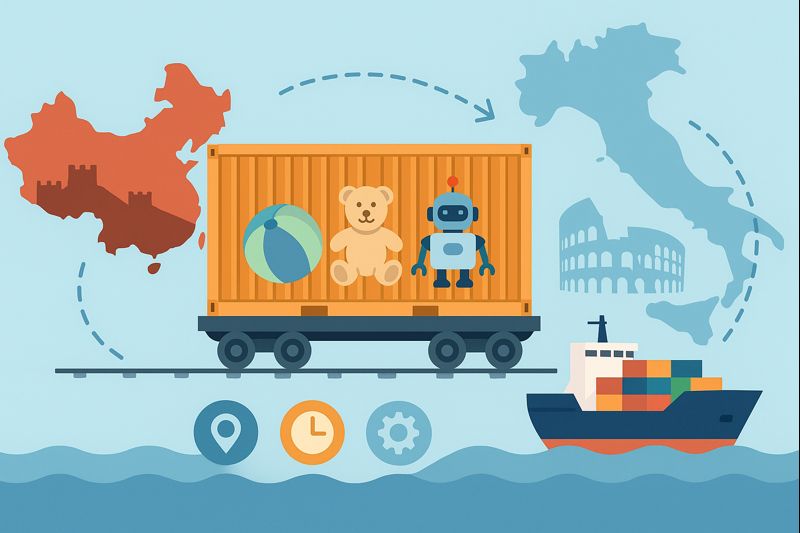
As seasonal demand rises, the 40GP FCL transit time for toys from China to Italy becomes a make-or-break metric for importers planning launches and promotions. However, port selection, sailing schedules, and EU clearance can easily shift timelines. Therefore, this guide delivers realistic transit expectations and planning tactics, drawing on operational experience from Top China Freight.
What does the typical 40GP FCL transit time look like from China to Italy?
Although exact durations vary, most toy shipments follow established Asia–Mediterranean routes. Consequently, transit time is best viewed as a range rather than a single number.
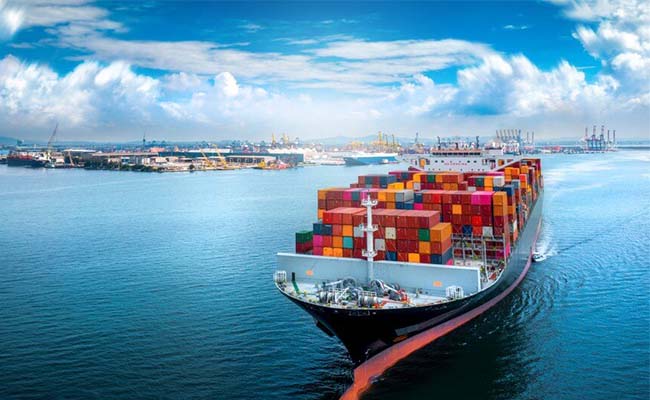
Port-to-port ocean time
Direct sailings to Italian gateways generally take several weeks, depending on origin port and carrier loop. As a result, exporters should plan buffers for weekly cutoffs.
Door-to-port vs door-to-door
When inland delivery is added, total time extends further. Therefore, separating ocean transit from inland legs clarifies planning.
Which Chinese ports offer faster departures for toy exports?
China’s toy manufacturing clusters influence origin choice. Consequently, selecting the right port improves schedule reliability.
South China gateways
Shenzhen and Guangzhou serve Guangdong toy hubs. As a result, frequent sailings and shorter factory drayage reduce pre-carriage time.
East China gateways
Shanghai and Ningbo support large-scale exporters. Meanwhile, these ports offer stable weekly services to the Mediterranean.
North China gateways
Qingdao serves northern factories. However, winter weather can occasionally affect departures.
Why choose 40GP FCL for toys instead of LCL?
Toy shipments often benefit from full-container loading. Therefore, FCL improves both time control and cargo integrity.
Predictable schedules
FCL avoids consolidation delays. As a result, sailing cutoffs and arrivals remain clearer.
Reduced handling
Toys—especially boxed sets and plush items—face less damage with fewer touches.
Cost efficiency at scale
For medium to high volumes, 40GP FCL often lowers per-unit landed cost while stabilizing transit time.
Many importers confirm suitability through integrated FCL and LCL services before peak seasons.
How long does ocean transit usually take by route?
Transit time varies by routing and transshipment. Consequently, comparing options helps set expectations.
Route Pattern
Typical Ocean Transit
Notes
Direct Asia–Italy
28–35 days
Fewer stops, limited sailings
Via EU hub (e.g., Spain/France)
32–42 days
More options, added dwell
Mixed hub + feeder
35–45 days
Flexible, longer
Because toys are rarely urgent, many importers prioritize reliability over the absolute shortest route.
Execution: Because of peak-season congestion, the shipper chose a hub routing with guaranteed space. Consequently, arrival remained within the planned window.
Outcome: • Ocean transit: 38 days • Schedule variance: Minimal • Damage rate: Zero
How can inland delivery choices change total transit time?
Although ocean days dominate the schedule, inland delivery often decides the final arrival date. Therefore, planning beyond the port matters.
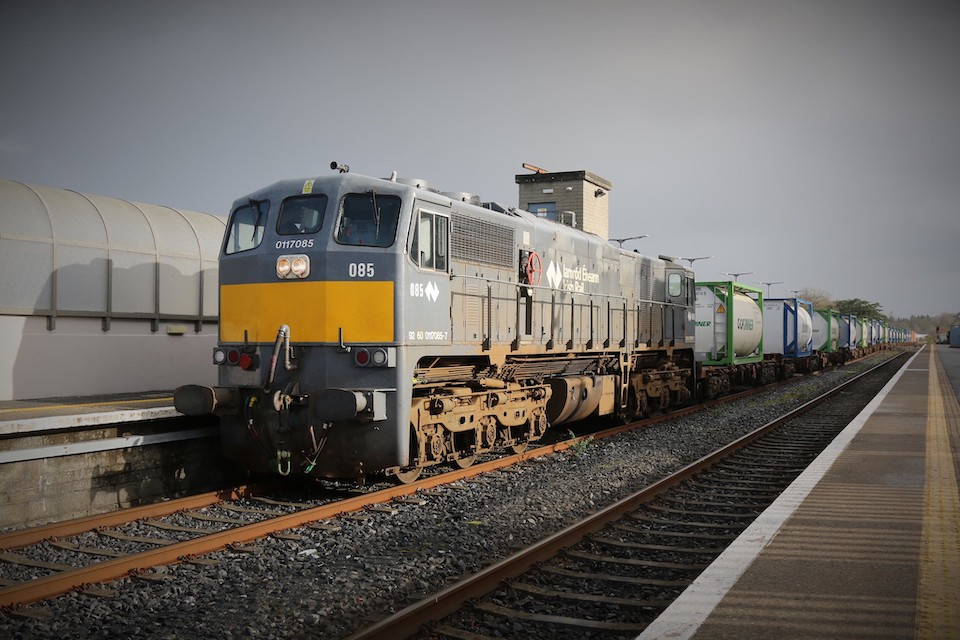
Rail links from Northern Italy
Rail from Genoa or La Spezia to Milan and Turin shortens inland time and avoids highway congestion. As a result, total door timelines become more predictable.
Trucking for regional distribution
Trucking offers flexibility for mixed destinations. However, peak seasons can reduce availability, so pre-booking remains essential.
Door-to-door coordination
Combining ocean and inland legs under one plan reduces handoff delays. Consequently, many toy importers choose structured door-to-door transport to protect delivery windows.
Late summer to autumn sees higher volumes. As a result, sailings fill quickly and dwell times increase.
Carrier blank sailings
Capacity adjustments can extend transit. Thus, flexible routing options help absorb changes.
Buffer stock planning
Holding safety inventory offsets short delays without missing sales windows.
Conclusion
In conclusion, mastering the 40GP FCL transit time for toys from China to Italy requires more than counting ocean days. Instead, success depends on origin port choice, routing strategy, customs readiness, and inland coordination. With structured planning and experienced logistics support, toy importers can meet launch dates and reduce uncertainty across seasons.
Request A Free Quote
Start shipping smarter with TopChinaForwarder today! 🚢✨ Request a Free Quote 📝 and get a tailored logistics plan built around your cargo and timeline.