
40GP FCL Transit Time for Textiles: China to Germany
Understanding the 40GP FCL transit time for textiles from China to Germany is crucial for effective supply chain management. Businesses importing textiles often face challenges with unpredictable shipping schedules and varying costs. This comprehensive guide provides insights into optimizing your freight, ensuring timely and cost-effective delivery. Explore solutions and services offered by Top China Freight.
What is 40GP FCL and Why is it Ideal for Textiles?
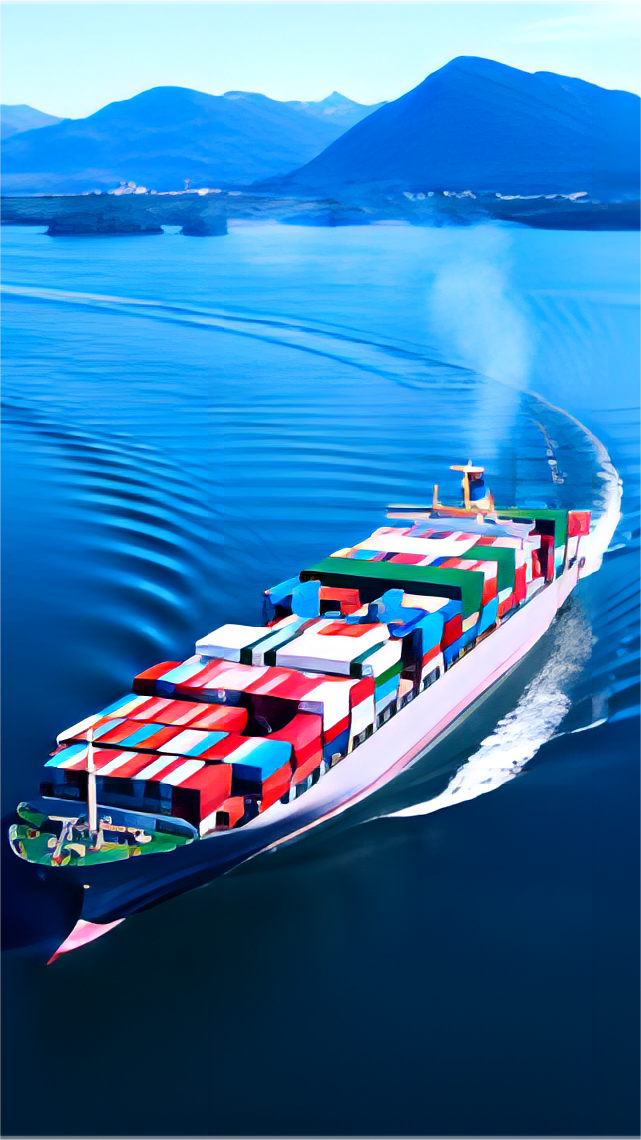
A 40GP (General Purpose) FCL (Full Container Load) refers to a standard 40-foot shipping container filled entirely with one consignee’s goods. This method is particularly suitable for textile imports from China to Germany due to the volume and nature of the cargo. Textiles, such as apparel, fabric rolls, and home furnishings, often require dedicated space to prevent damage and ensure efficient handling.
Choosing FCL over LCL (Less than Container Load) offers several advantages. For instance, FCL shipments generally experience faster transit times because there’s no need for consolidation or deconsolidation at various points. Moreover, it reduces the risk of damage or loss as your cargo is not handled alongside other shippers’ goods.
What Factors Influence 40GP FCL Transit Time for Textiles?
Several critical factors dictate the overall 40GP FCL transit time for textiles from China to Germany. Understanding these elements helps importers plan their supply chain more effectively. Consequently, unexpected delays can be minimized with proper foresight and preparation.
Firstly, the choice of shipping route significantly impacts delivery schedules. Direct routes are generally faster but can be more expensive. Conversely, routes involving transshipment through intermediary ports like Singapore or Port Klang may add several days to the journey. Secondly, port congestion at both origin and destination ports can cause substantial delays, particularly during peak seasons. Furthermore, carrier reliability and vessel speed play a crucial role in maintaining consistent transit times. Lastly, efficient customs clearance processes are paramount for avoiding hold-ups upon arrival in Germany.
How Does Sea Freight Compare to Other Shipping Options for Textiles?
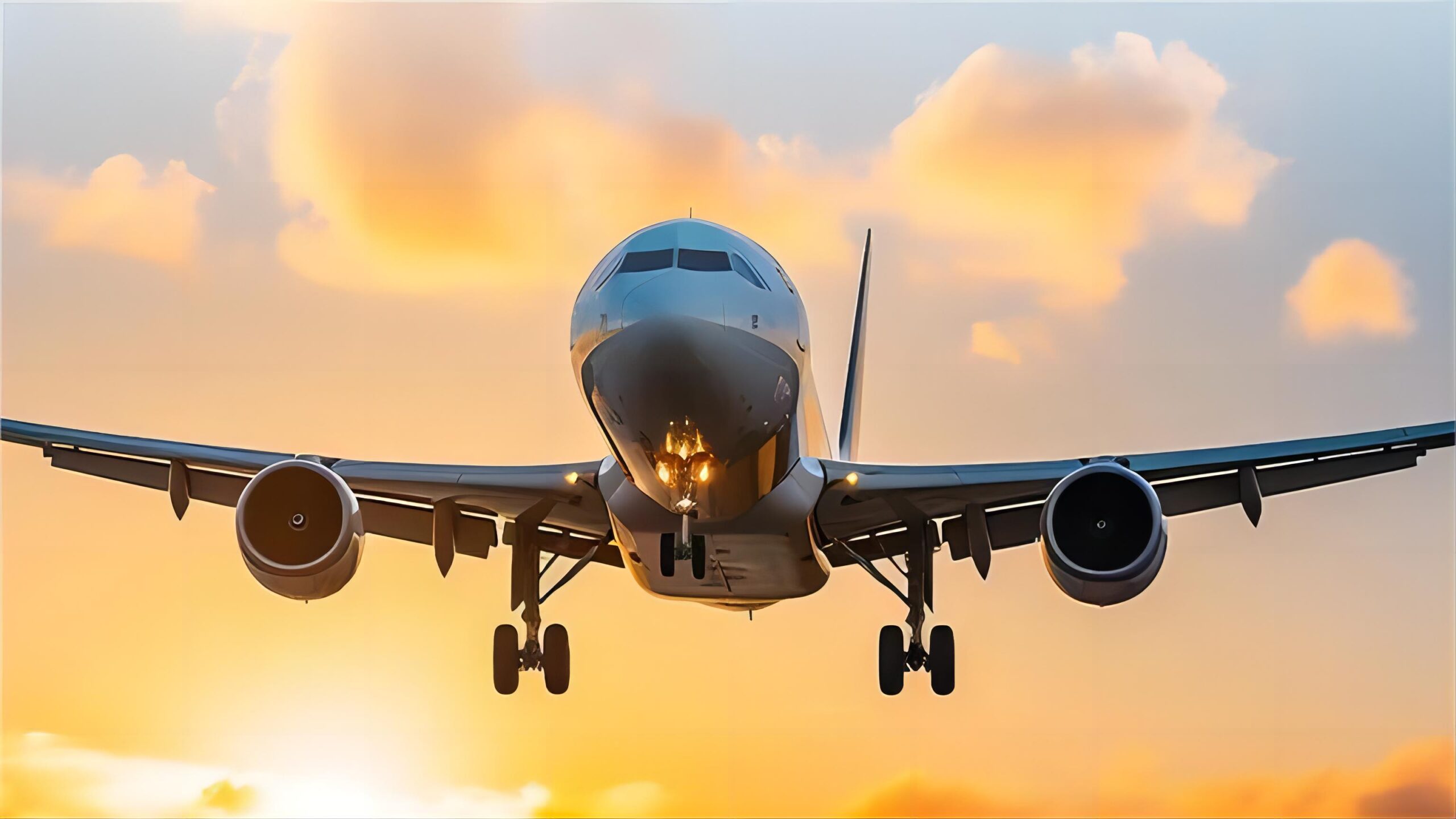
When importing textiles from China to Germany, sea freight is typically the most common and cost-effective method for 40GP FCL shipments. However, alternative shipping options like air freight and rail freight offer different trade-offs in terms of speed and cost. Therefore, choosing the right method depends heavily on your specific needs and priorities.
For instance, if speed is paramount for urgent textile collections or samples, air freight becomes a viable option despite its higher cost. On the other hand, rail freight provides a middle ground, offering a balance between speed and economy, especially for goods that are not extremely time-sensitive but need to arrive faster than sea freight. Understanding these differences is key to making an informed decision.
| Shipping Method | Cost Range (40GP FCL Equivalent) | Transit Time (China-Germany) | Best For | Limitations |
|---|---|---|---|---|
| Sea Freight | $2,800 – $4,200 | 28-38 days | Bulk textiles, cost-efficiency, non-urgent shipments | Slowest transit, port congestion risks |
| Rail Freight | $8,000 – $12,000 | 18-25 days | Mid-volume, moderate urgency, environmentally conscious | Less capacity than sea, higher cost than sea |
| Air Freight | $15,000 – $25,000+ | 5-8 days | Urgent, high-value, small volume samples, fashion launches | Highest cost, limited by cargo volume/weight |
Typical 40GP FCL Transit Times from China to Germany
The transit time for a 40GP FCL shipment of textiles from China to Germany varies significantly based on the origin port, destination port, and chosen shipping line. Generally, direct services offer the quickest routes, while transshipment routes add several days. As of Q1 2025, freight rates from China to Europe have stabilized after the 2024 Red Sea disruptions, but transit times can still fluctuate.
Major Chinese ports like Shanghai, Ningbo, and Shenzhen are primary departure points. Key German destination ports include Hamburg and Bremerhaven. Industry average for this route typically ranges from 28 to 38 days port-to-port. This does not include inland transportation or customs clearance time. For example, a shipment from Shanghai to Hamburg might take around 30-32 days via a direct service, whereas a transshipment might extend it to 35-40 days.
Origin Port Specifics
Shipments departing from Southern China ports like Shenzhen or Guangzhou may have slightly shorter ocean transit times to Europe compared to those from Northern ports like Qingdao or Tianjin. However, this difference is often marginal for FCL shipments. Therefore, selecting a port close to your supplier’s factory can reduce inland transport costs and initial lead times.
Destination Port Considerations
Germany’s major ports, Hamburg and Bremerhaven, are highly efficient, but seasonal congestion can still occur. Your final destination within Germany will also influence the total door-to-door delivery schedule. Consequently, planning the final leg of transportation is just as important as the ocean transit itself. Consider door-to-door services for a seamless experience.
Navigating Customs, Documentation, and Import Duties for Textiles
Successful import of textiles into Germany requires meticulous attention to customs procedures and documentation. Improper paperwork can lead to significant delays and additional costs. Therefore, understanding the requirements beforehand is essential for a smooth process. This includes accurate classification of textile products and correct valuation.
Importers must provide a commercial invoice, packing list, bill of lading, and sometimes a certificate of origin. Furthermore, textile products are subject to specific import duties and VAT in Germany, which vary depending on the Harmonized System (HS) code. Engaging a professional customs brokerage service can streamline this complex process and prevent costly errors.
Essential Documents Checklist
Ensuring all necessary documents are prepared and accurate is a critical step in avoiding customs delays. Missing or incorrect information can halt your shipment at the port. Consequently, this directly impacts your overall 40GP FCL transit time for textiles from China to Germany.
| Document Type | Purpose | Key Details |
|---|---|---|
| Commercial Invoice | Customs valuation & duties | HS codes, product description, value, Incoterms |
| Packing List | Cargo verification | Number of cartons, weight, dimensions, contents |
| Bill of Lading (B/L) | Contract of carriage & title | Shipper, consignee, notify party, vessel, port details |
| Certificate of Origin | Preferential tariffs (if applicable) | Country of manufacture confirmation |
| Import License/Permit | Regulatory compliance | Required for certain restricted textiles or quotas |
Understanding Tariffs and VAT
Textiles imported into the EU are subject to Common External Tariff (CET) duties. These rates can vary significantly based on the specific type of textile, its composition, and its end-use. Additionally, German VAT (currently 19%) will be applied to the customs value plus duties. Therefore, accurate HS classification is paramount for calculating these costs correctly. Furthermore, incorrect classification can lead to penalties or rejections.
Cost Components of a 40GP FCL Textile Shipment
Beyond the transit time, understanding the total cost of your 40GP FCL textile shipment from China to Germany is vital for budget planning. Freight rates are influenced by various factors, including fuel surcharges, peak season demand, and carrier capacity. Moreover, these rates can fluctuate significantly, necessitating regular checks with your freight forwarder.
The overall landed cost involves more than just the ocean freight. It encompasses origin charges, destination charges, customs duties, and potential ancillary fees. Consequently, a detailed cost breakdown helps in accurate financial forecasting and prevents unforeseen expenses. For competitive freight rates, consider robust sea freight solutions.
Key Cost Elements
The primary cost elements include ocean freight, which covers the main shipping leg. Origin charges typically involve terminal handling, documentation, and local trucking to the port. Likewise, destination charges cover similar services upon arrival in Germany, including port handling and customs clearance fees. Finally, import duties and VAT are applied based on the textile’s value and classification.
Real-World Case Studies: 40GP FCL Textile Shipments
Examining real-world scenarios provides practical insights into the complexities and typical outcomes of shipping 40GP FCL textiles from China to Germany. These examples highlight how various factors impact both cost and transit time. Consequently, they offer valuable lessons for optimizing future shipments.
Based on Q3 2024 market rates and typical logistics trends, these case studies illustrate common challenges and successful strategies. Each scenario underscores the importance of careful planning and selecting appropriate services. Furthermore, they demonstrate the efficiency of well-managed supply chains.
Case Study 1: High-Volume Apparel from Shanghai to Hamburg
This case involved a major fashion retailer importing a seasonal apparel collection. The primary goal was cost-efficiency combined with reliable delivery for their new line launch. The chosen method was direct FCL sea freight.
Key Insight: Strategic booking outside peak season and a direct carrier service significantly reduced both costs and transit time, avoiding typical port congestion delays.
| Detail | Value |
|---|---|
| Route | Shanghai, China Hamburg, Germany |
| Cargo | Apparel (shirts, dresses, trousers), 60 CBM, 10,000 kg |
| Container | 40GP FCL |
| Shipping Details | Carrier: COSCO, Port of Loading: Shanghai, Port of Discharge: Hamburg, Route Type: Direct |
| Cost Breakdown – Ocean Freight | $3,200 |
| Cost Breakdown – Origin Charges | $350 |
| Cost Breakdown – Destination Charges | $400 |
| Cost Breakdown – Customs & Duties (estimated) | $1,500 |
| Cost Breakdown – Total Landed Cost | $5,450 |
| Timeline – Booking to Loading | 5 days |
| Timeline – Sea Transit | 30 days |
| Timeline – Customs Clearance | 3 days |
| Timeline – Total Door-to-Door | 38 days |
Case Study 2: Fabric Rolls from Ningbo to Bremerhaven with Transshipment
A textile manufacturer needed to import fabric rolls for production. While cost-conscious, they also needed a predictable schedule. This shipment utilized a transshipment route to balance cost and speed.
Key Insight: Opting for a reputable carrier with efficient transshipment hubs minimized potential delays, offering a good balance between cost and a manageable 40GP FCL transit time for textiles from China to Germany.
| Detail | Value |
|---|---|
| Route | Ningbo, China Bremerhaven, Germany |
| Cargo | Fabric rolls, 58 CBM, 9,500 kg |
| Container | 40GP FCL |
| Shipping Details | Carrier: Maersk, Port of Loading: Ningbo, Port of Discharge: Bremerhaven, Route Type: Transshipment via Port Klang |
| Cost Breakdown – Ocean Freight | $2,900 |
| Cost Breakdown – Origin Charges | $320 |
| Cost Breakdown – Destination Charges | $380 |
| Cost Breakdown – Customs & Duties (estimated) | $1,400 |
| Cost Breakdown – Total Landed Cost | $5,000 |
| Timeline – Booking to Loading | 6 days |
| Timeline – Sea Transit | 35 days |
| Timeline – Customs Clearance | 4 days |
| Timeline – Total Door-to-Door | 45 days |
Case Study 3: Urgent Textile Samples via Express Rail from Shenzhen to Duisburg
Although the main focus is FCL sea freight, this case illustrates an alternative for urgent textile needs. A designer needed samples quickly for an upcoming presentation. Rail freight provided a faster solution than sea, avoiding air freight’s prohibitive costs for a larger volume.
Key Insight: For time-sensitive but not critically urgent textile shipments, rail freight offers a competitive middle ground, significantly reducing transit time compared to sea freight without the extreme cost of air cargo. Consider rail freight as a strategic alternative.
| Detail | Value |
|---|---|
| Route | Shenzhen, China Duisburg, Germany |
| Cargo | Textile samples (garments), 20 CBM, 3,000 kg |
| Container | 40GP FCL (Shared/LCL equivalent for rail) |
| Shipping Details | Carrier: China Railway Express, Port of Loading: Shenzhen (via inland to Xi’an rail hub), Port of Discharge: Duisburg, Route Type: Direct Rail |
| Cost Breakdown – Rail Freight | $8,500 |
| Cost Breakdown – Origin Charges | $400 |
| Cost Breakdown – Destination Charges | $500 |
| Cost Breakdown – Customs & Duties (estimated) | $700 |
| Cost Breakdown – Total Landed Cost | $10,100 |
| Timeline – Booking to Loading | 4 days |
| Timeline – Rail Transit | 18 days |
| Timeline – Customs Clearance | 2 days |
| Timeline – Total Door-to-Door | 26 days |
Optimizing Your Supply Chain for Textile Imports to Europe
Effective supply chain management is crucial for minimizing costs and improving the 40GP FCL transit time for textiles from China to Germany. Proactive planning and strategic partnerships can yield significant benefits. Moreover, understanding market data and logistics trends allows for more informed decision-making.
Consider consolidating multiple orders into a single 40GP FCL shipment to maximize container utilization. Furthermore, establish robust communication channels with your suppliers and freight forwarders. This ensures timely information flow and quick resolution of any issues. For comprehensive support, explore our specialized services for shipping from China to Europe.
Cost-Saving Strategies and Trade-offs
While speed often comes at a higher price, several strategies can help reduce overall shipping costs without compromising reliability. Booking well in advance, especially outside peak seasons, can secure better freight rates. Also, evaluating Incoterms carefully can shift responsibilities and costs effectively. For example, opting for EXW might give you more control but also more responsibility. Conversely, DDP simplifies the process but may include higher upfront costs.
Hybrid solutions, such as sea-rail combinations, offer a balanced approach, providing faster delivery than pure sea freight at a lower cost than air. This flexibility allows businesses to adapt to varying market demands and inventory requirements. For example, urgent components might go by air, while bulk textiles use sea or rail.
Which Option Should You Choose?
The optimal shipping method for your textile imports depends on several key criteria. Balancing these priorities is essential for making the most economical and efficient choice. Therefore, a clear decision framework can guide your logistics strategy.
If budget is your top priority, especially for large volumes of non-time-sensitive textiles, sea freight is usually the best option. For speed-sensitive fashion collections or urgent replenishment, air freight is unmatched, despite its premium cost. However, for a balance of speed and cost, particularly for moderate volumes, rail freight presents a compelling alternative. Consider your cargo type, volume, and lead time requirements carefully.
Conclusion: Streamlining Your Textile Imports
Mastering the 40GP FCL transit time for textiles from China to Germany involves a deep understanding of logistics, customs, and market dynamics. By carefully considering shipping methods, optimizing documentation, and leveraging experienced partners, businesses can significantly enhance their supply chain efficiency. This ultimately leads to more predictable delivery schedules and reduced operational costs.
Navigating the complexities of international freight requires expertise and diligence. Partnering with a reliable freight forwarder ensures that your textile shipments arrive safely and on time, allowing you to focus on your core business. Always seek current quotes to reflect the latest market conditions and secure the best possible service.
Get Your Shipping Quote Today
Ready to optimize your 40GP FCL transit time for textiles from China to Germany? Our experts are here to provide tailored solutions and competitive quotes. Contact us today to discuss your specific shipping needs and ensure a smooth import process.
Request Quote