
40GP FCL transit time for electronics from China to Denmark: A Complete Guide
Shipping high-value electronics requires extreme precision and a deep understanding of ocean schedules. Consequently, knowing the 40GP FCL transit time for electronics from China to Denmark is essential for maintaining a healthy supply chain and meeting customer demands. Top China Freight provides reliable logistics solutions to ensure your sensitive cargo arrives safely and on schedule. Our team handles every detail from origin to destination to minimize delays and maximize efficiency.
Analyzing the 40GP FCL transit time for electronics from China to Denmark
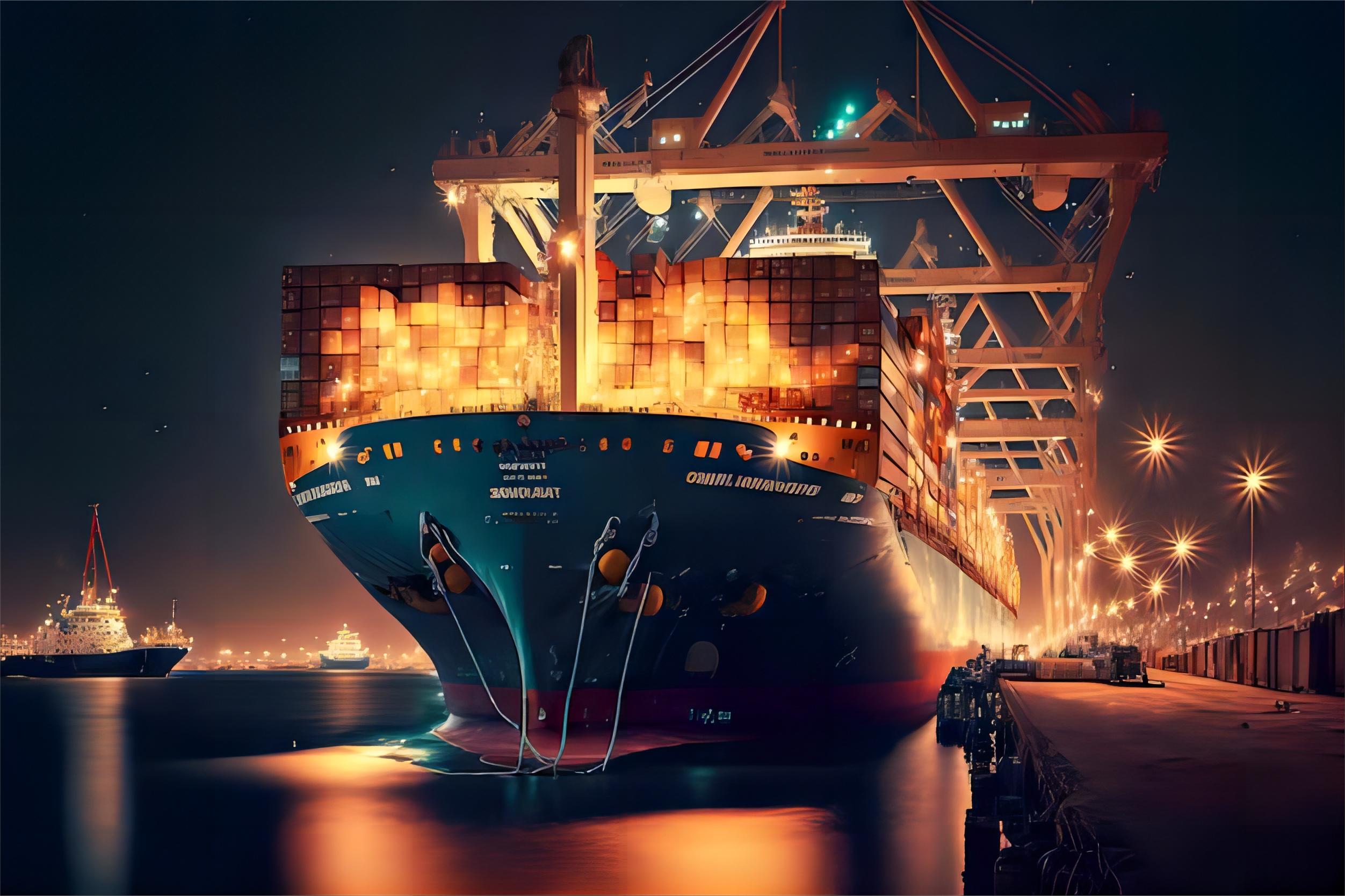
Shipping electronics via a full container load usually takes between 32 and 45 days. This duration encompasses the time from the port of loading in China to the port of discharge in Denmark, such as Aarhus or Copenhagen. Furthermore, the specific route taken by the carrier significantly influences the total number of days at sea.
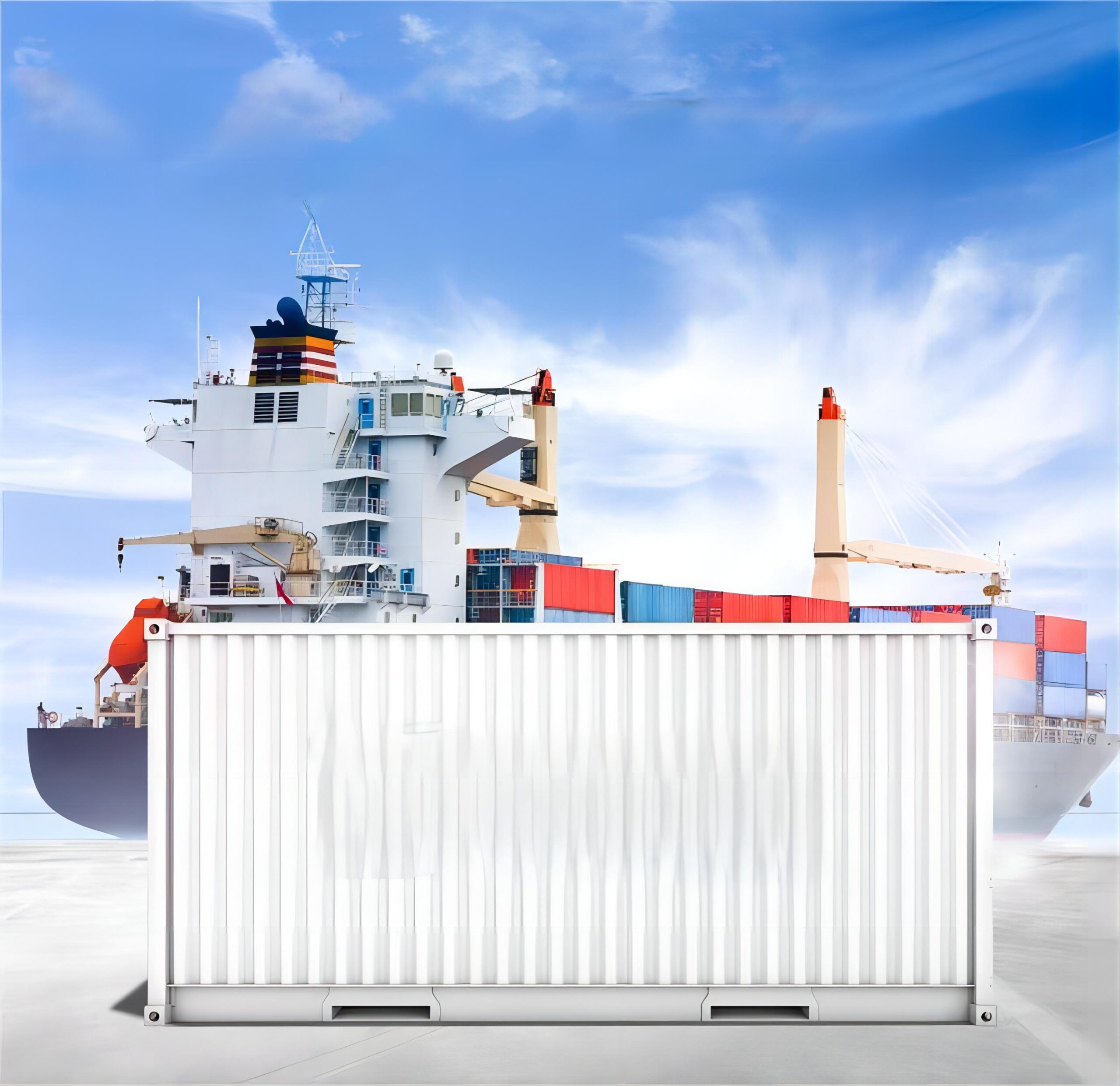
Direct services from major ports like Shanghai or Ningbo often provide the fastest results. However, many shipments involve transshipment at major hubs like Singapore or Rotterdam, which can add five to seven days to the journey. Therefore, importers must account for these potential variations when planning their inventory cycles.
Choosing sea freight remains the most cost-effective method for moving large volumes of consumer electronics. While it is slower than air freight, the massive capacity of a 40GP container allows for significant economies of scale. Consequently, businesses can lower their per-unit shipping costs while maintaining steady stock levels.
How Does Sea Freight Compare to Other Shipping Options?
Importers often weigh the benefits of ocean transport against faster alternatives. Indeed, the choice between sea, rail, and air depends heavily on the urgency of the shipment and the total budget available. In contrast to sea freight, air transport offers rapid delivery but comes at a much higher price point.
For those seeking a middle ground, rail freight has become an increasingly popular option for shipments to Europe. This method typically cuts the transit time in half compared to the ocean route. Additionally, rail services provide a more stable schedule that is less affected by port congestion or weather conditions.
| Shipping Method | Cost Range | Transit Time | Best For |
|---|---|---|---|
| Sea Freight (40GP) | $2,900 – $4,200 | 32 – 45 Days | Bulk Electronics |
| Rail Freight | $4,500 – $6,500 | 18 – 24 Days | High-Value Goods |
| Air Freight | $15,000 – $25,000 | 5 – 8 Days | Urgent Samples |
| Sea-Air Hybrid | $7,000 – $9,000 | 15 – 20 Days | Balanced Needs |
Factors Affecting the 40GP FCL transit time for electronics from China to Denmark
Weather conditions in the South China Sea or the Indian Ocean frequently impact vessel speeds. Moreover, seasonal peaks during the Golden Week or the Lunar New Year often lead to port congestion and longer waiting times for berths. Consequently, booking your shipment at least three to four weeks in advance is highly recommended.
Port efficiency at the destination also plays a vital role in the total door-to-door timeline. For instance, the Port of Aarhus is known for its modern infrastructure and quick processing of containerized cargo. Nevertheless, unexpected labor strikes or technical issues at European transshipment hubs can occasionally cause delays beyond the carrier’s control.
Logistics trends in 2025 suggest that fuel surcharges and environmental regulations may also influence shipping routes. Carriers are increasingly adopting slow-steaming practices to reduce emissions, which can slightly extend the 40GP FCL transit time for electronics from China to Denmark. Accordingly, shippers should stay informed about these industry changes to avoid surprises.
Alternative Strategies for Faster Delivery
Hybrid solutions like sea-air freight offer a strategic advantage for electronics that cannot wait for a full sea voyage. This method involves shipping goods by sea to a hub like Dubai and then flying them to Denmark. As a result, you achieve a faster delivery than sea freight at a lower cost than pure air freight.
Another effective strategy is choosing direct routes even if the initial ocean freight rate is slightly higher. While transshipment might save a few hundred dollars, the risk of missing a connecting vessel is significant. Therefore, paying a premium for a direct service often pays off in reliability and speed.
The Role of Door to Door Services in Electronics Logistics
Managing the entire logistics chain from the factory floor to the Danish warehouse requires a comprehensive door to door solution. This service simplifies the process by handling all intermediate steps, including local trucking and warehousing. Furthermore, it provides better visibility and tracking for high-value electronics shipments.
Professional freight forwarders coordinate the pickup in China and ensure the container is delivered directly to your facility in Denmark. In addition, this approach minimizes the handling of the goods, which reduces the risk of damage to sensitive electronic components. Consequently, door-to-door services are often the preferred choice for premium technology brands.
Real-World Scenarios and Case Studies
Case Study 1: Shenzhen to Aarhus. Cargo: LED Displays, 65 CBM, 18,000 kg. Container: 40GP. Carrier: COSCO. Port of Loading: Shenzhen. Port of Discharge: Aarhus. Route Type: Direct. Ocean Freight: $3,400. Origin Charges: $450. Destination Charges: $600. Customs: $200. Total Landed Cost: $4,650. Sea Transit: 32 days. Total Door-to-Door: 38 days. Key Insight: Early booking during the Q3 peak season avoided a 15% rate hike.
Case Study 2: Ningbo to Copenhagen. Cargo: Computer Peripherals, 60 CBM, 15,000 kg. Container: 40GP. Carrier: Maersk. Port of Loading: Ningbo. Port of Discharge: Copenhagen. Route Type: Transshipment via Bremerhaven. Ocean Freight: $3,100. Origin Charges: $400. Destination Charges: $550. Customs: $200. Total Landed Cost: $4,250. Sea Transit: 38 days. Total Door-to-Door: 46 days. Key Insight: Transshipment was chosen to save $400 compared to direct routes.
Note: Freight rates are subject to change based on fuel costs, carrier capacity, and seasonal demand. Contact us for a current quote tailored to your specific shipment.
Navigating Customs Brokerage and Compliance
Electronics are subject to strict regulatory standards and import duties in the European Union. Therefore, engaging a professional customs brokerage service is crucial for a smooth entry into Denmark. They ensure that all documentation, including the Commercial Invoice and Packing List, complies with Danish customs requirements.
Proper classification of goods using the correct HS codes prevents costly delays and potential fines. Moreover, electronics often require specific certifications like CE marking to be legally sold in the Danish market. Without a doubt, having an expert handle these complexities allows you to focus on your core business operations while your cargo moves through the system.
Which Option Should You Choose? Decision Framework
Budget priority: If your primary goal is to minimize costs, sea freight in a 40GP container is the clear winner. This method is ideal for bulk inventory that does not require immediate retail placement. However, you must plan for a six-week lead time to accommodate the 40GP FCL transit time for electronics from China to Denmark.
Speed priority: When you are launching a new product or replenishing stock for a holiday sale, air freight is the most reliable option. Although it is expensive, the speed ensures you do not miss market opportunities. Meanwhile, rail freight offers a compelling alternative for those who need a balance of speed and cost.
Cargo type considerations: Sensitive or high-value electronics may benefit from the stability of rail or the speed of air to reduce the time spent in transit. In contrast, durable components and accessories are perfectly suited for the longer duration of ocean transport. Accordingly, your choice should align with the specific needs of your product line.
Mastering Your Electronics Supply Chain
Understanding the 40GP FCL transit time for electronics from China to Denmark allows you to build a more resilient and efficient supply chain. By considering factors like route selection, seasonal trends, and alternative shipping methods, you can make informed decisions that benefit your bottom line. Furthermore, partnering with an experienced freight forwarder ensures that your high-value cargo is handled with the care it deserves.
Whether you choose the cost-effective ocean route or the faster rail alternative, planning ahead is the most effective way to manage risks. To summarize, successful electronics importing requires a balance of speed, cost, and reliability. Start planning your next shipment today to ensure your electronics reach the Danish market on time.
Ready to streamline your logistics?
Optimizing your 40GP FCL transit time for electronics from China to Denmark is the key to a successful import business. Contact Top China Freight today to receive a customized quote and expert guidance for your next shipment. Send Inquiry to get started with our professional logistics team.
Request Quote