
40GP FCL Tracking: Machinery from China to New York
Shipping heavy machinery from China to New York demands precise logistics and reliable tracking. Understanding the nuances of 40GP FCL tracking for machinery from China to New York is paramount for businesses. This comprehensive guide, brought to you by Top China Freight, will demystify the process. Consequently, you can ensure your valuable cargo arrives safely and on schedule, minimizing any potential disruptions.
✦
What is 40GP FCL Shipping for Machinery?
Specifically, 40GP FCL refers to a 40-foot General Purpose Full Container Load. This means your machinery occupies the entire container, offering dedicated space and security for your goods. It is a popular choice for larger shipments.
Furthermore, a 40GP container typically measures 40 feet long, 8 feet wide, and 8 feet 6 inches high. Its internal dimensions are approximately 39 feet 5 inches long, 7 feet 8 inches wide, and 7 feet 9 inches high. These dimensions make it ideal for various types of industrial machinery.
Moreover, choosing FCL (Full Container Load) ensures that your machinery is not consolidated with other shippers’ cargo. This significantly reduces the risk of damage or delays during transit. Therefore, it is a preferred option for high-value or delicate equipment.
Why is 40GP FCL Tracking Crucial for China to New York Shipments?
Effectively, tracking your 40GP FCL shipment from China to New York provides unparalleled visibility throughout the journey. This transparency allows you to monitor your cargo’s progress in real-time. Consequently, you can anticipate arrival times and manage expectations.
Additionally, real-time updates are vital for managing your supply chain efficiently. Knowing exactly where your machinery is at any given moment helps in coordinating factory production, warehousing, and final delivery schedules. As a result, this proactive approach prevents costly bottlenecks.
Furthermore, for high-value machinery, robust tracking offers peace of mind. It helps in identifying potential issues early, such as unexpected delays or customs hold-ups. Therefore, you can quickly implement contingency plans, mitigating financial losses and operational disruptions. Ultimately, detailed tracking enhances accountability and security for your investment.
How Does 40GP FCL Tracking Work from China to New York?
Initially, the tracking process begins once your 40GP container is loaded and departs from the port of origin in China. Each container receives a unique booking or container number. This identifier is your primary tool for monitoring its journey.
Subsequently, freight forwarders and shipping lines provide online tracking portals. By entering your container number, you can access current status updates. These updates typically include vessel name, departure date, estimated arrival date, and current location.
Moreover, advanced tracking systems often integrate GPS technology and port data. This provides more granular detail on vessel movements and port activities. Consequently, you receive comprehensive insights into your machinery’s whereabouts, from port to port.
Furthermore, once the vessel arrives at the Port of New York and New Jersey, tracking continues through customs clearance and inland transportation. Many logistics providers offer door-to-door tracking, covering the entire journey. This ensures you know when your machinery is cleared and ready for final delivery.
Key Tracking Milestones
Understanding specific tracking milestones helps you interpret the data effectively. These points mark significant stages in your shipment’s transit.
For instance, ‘Vessel Departure’ confirms your cargo has left China. ‘Arrival at Port of Discharge’ signifies its arrival in New York. ‘Customs Cleared’ indicates it’s ready for onward movement. Each milestone is crucial for planning your operations.
Utilizing Carrier and Third-Party Trackers
While shipping lines offer direct tracking, many shippers also use third-party tracking platforms. These platforms often aggregate data from multiple carriers. Therefore, they provide a unified view of your entire global supply chain.
Additionally, some advanced tracking solutions offer predictive analytics. They can estimate potential delays based on weather, port congestion, or other factors. This proactive information is invaluable for managing expectations and mitigating risks.
Navigating the China to New York Shipping Route
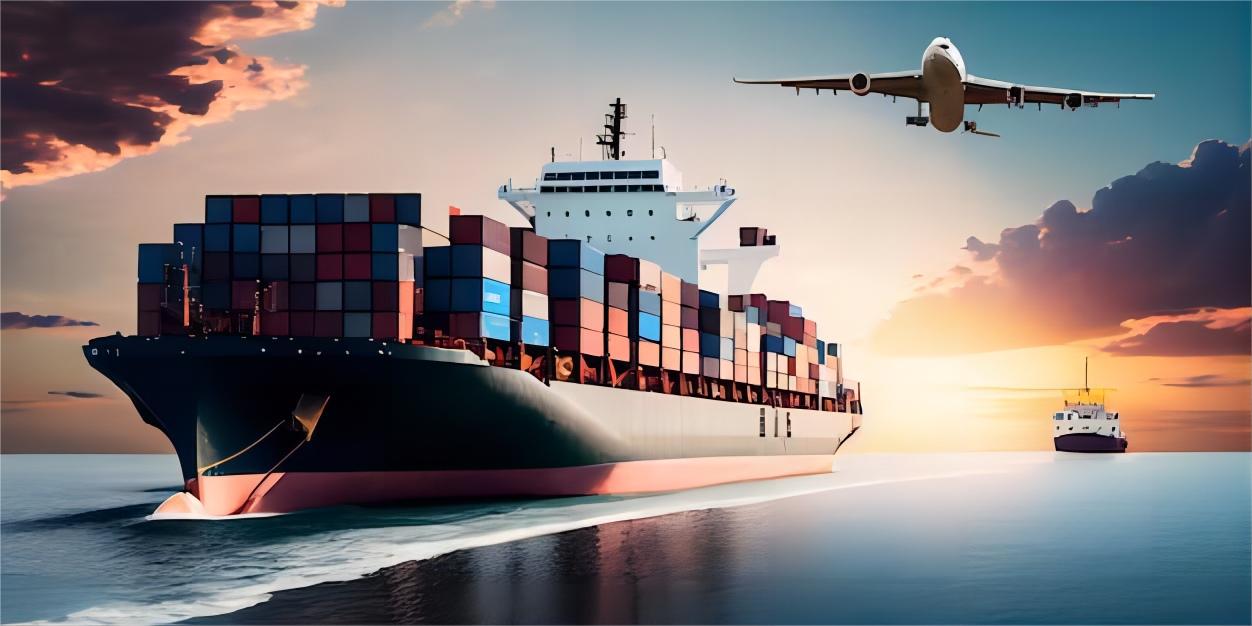
Shipping machinery from China to New York typically involves a trans-Pacific sea journey. Major ports like Shanghai, Ningbo, and Shenzhen in China serve as key loading points. The destination is usually the Port of New York and New Jersey, a significant gateway for North America.
Furthermore, transit times for 40GP FCL from China to New York generally range from 30 to 35 days. This duration can vary based on the specific carrier, vessel speed, and route taken. Direct services are faster but may be pricier.
Moreover, understanding the logistics of this route is essential for effective planning. Factors like peak season surcharges, potential port congestion, and customs procedures can all impact your delivery schedule. Therefore, working with an experienced freight forwarder is highly recommended.
Additionally, careful consideration of customs brokerage services is vital for smooth entry into the USA. Proper documentation and compliance with import regulations are non-negotiable. Learn more about Customs Brokerage to avoid delays.
How Does 40GP FCL Compare to Other Shipping Options?
When shipping machinery from China to New York, several methods are available, each with distinct advantages and disadvantages. Choosing the right option depends on your priorities, such as cost, speed, and cargo volume. Evaluating these alternatives is crucial for optimizing your logistics strategy.
However, for heavy machinery requiring a full container, 40GP FCL is often the most balanced choice. It offers a good combination of cost-effectiveness and security. Nevertheless, other options might be suitable for specific scenarios or urgent needs.
| Shipping Method | Cost Range (Approx. Ocean Freight) | Transit Time (China to New York) | Best For | Limitations |
|---|---|---|---|---|
| 40GP FCL Sea Freight | $4,000 – $5,500 (as of early 2025) | 30-35 days | Large, heavy, non-urgent machinery; dedicated space | Slower transit time |
| LCL Sea Freight (for smaller machinery parts) | $50 – $80 per CBM (plus fixed charges) | 35-45 days | Small volume, less urgent cargo (<15 CBM) | Longer transit, higher risk of delays/damage, shared container |
| Air Freight | $15,000 – $25,000 (for equivalent volume) | 5-7 days | Urgent, high-value, lightweight machinery parts | Significantly higher cost, volume/weight restrictions |
| Express Service (for small, critical parts) | Varies widely, often per kg | 2-5 days | Small, time-critical components, samples | Very high cost, strict size/weight limits |
Alternative Shipping Strategies and Cost Optimization
Exploring alternative strategies can lead to significant cost savings and improved efficiency for your machinery shipments. A tailored approach often yields better results than a one-size-fits-all solution. Consider these options to enhance your supply chain.
For instance, combining different modes of transport can create hybrid solutions. This can balance speed and cost effectively. Moreover, strategic planning around peak seasons can help avoid inflated rates.
FCL vs. LCL: Volume Thresholds
Determining the optimal threshold between FCL and LCL is crucial for cost-efficiency. Generally, if your machinery shipment exceeds 15 CBM (Cubic Meters), FCL becomes more economical. Below this volume, LCL may offer better value.
However, even for smaller volumes, if your machinery is delicate or high-value, FCL might still be preferred for its dedicated space and reduced handling. This minimizes risk, justifying the potentially higher cost. Therefore, assess both volume and cargo sensitivity.
Direct vs. Transshipment Routes
Direct shipping routes from China to New York offer faster transit times, often saving 5-7 days compared to transshipment routes. However, they typically come with a 10-15% higher freight cost. This premium is for the convenience and speed.
Alternatively, transshipment routes, often via ports like Busan (South Korea) or Panama, can be more cost-effective. Yet, they involve additional handling and potentially longer transit times. Consequently, evaluate your urgency and budget when making this choice.
Hybrid Solutions
For urgent components of a larger machinery shipment, a hybrid approach can be beneficial. You could ship the main 40GP FCL via sea freight. Meanwhile, critical smaller parts or replacement components can be sent via Express Service or air freight.
This strategy allows you to balance overall project timelines and costs. It leverages the cost-effectiveness of sea freight for the bulk. Concurrently, it uses faster methods for time-sensitive elements. This intelligent combination keeps your project on track.
Real-World 40GP FCL Tracking Case Studies
Understanding real-world examples can illuminate the complexities and successes of shipping machinery. These case studies highlight practical applications of 40GP FCL tracking. They demonstrate how effective logistics management ensures timely delivery.
Specifically, these scenarios reflect typical challenges and solutions encountered on the China to New York route. They provide valuable insights into costs, transit times, and potential issues. Based on Q3 2024 market rates, these examples offer a realistic perspective.
Case Study 1: Large Industrial Press
This case involved a time-sensitive delivery for a new manufacturing line. The client prioritized reliability and continuous tracking. Careful planning and consistent communication were key to its success.
| Detail | Description |
|---|---|
| Route | Shanghai, China -> New York, USA |
| Cargo | Industrial Hydraulic Press, 60 CBM, 25,000 kg |
| Container | 40GP FCL |
| Shipping Details | Carrier: COSCO, Port of Loading: Shanghai, Port of Discharge: New York, Route Type: Direct |
| Cost Breakdown | Ocean Freight: $5,200; Origin Charges: $450; Destination Charges: $600; Customs & Duties (estimated): $1,800; Total Landed Cost: $8,050 |
| Timeline | Booking to Loading: 7 days; Sea Transit: 32 days; Customs Clearance: 3 days; Total Door-to-Door: 42 days |
| Key Insight | Proactive tracking identified a minor port delay, allowing the client to adjust their installation schedule seamlessly. Excellent communication with the forwarder facilitated smooth customs clearance. |
Case Study 2: Construction Equipment Components
A client needed several large components for construction equipment. The primary challenge was coordinating multiple suppliers for a single container. Robust FCL tracking proved invaluable for consolidation.
This shipment demonstrated the importance of precise documentation and careful loading. Any discrepancies could have led to significant delays at customs or offloading. The forwarder’s expertise ensured smooth execution.
| Detail | Description |
|---|---|
| Route | Ningbo, China -> New York, USA |
| Cargo | Excavator Arms & Buckets, 55 CBM, 22,000 kg |
| Container | 40GP FCL |
| Shipping Details | Carrier: MSC, Port of Loading: Ningbo, Port of Discharge: New York, Route Type: Transshipment via Busan |
| Cost Breakdown | Ocean Freight: $4,600; Origin Charges: $400; Destination Charges: $550; Customs & Duties (estimated): $1,650; Total Landed Cost: $7,200 |
| Timeline | Booking to Loading: 10 days; Sea Transit: 38 days; Customs Clearance: 4 days; Total Door-to-Door: 55 days |
| Key Insight | Choosing a transshipment route saved on ocean freight costs. However, it added 6 days to transit. The client’s flexible timeline accommodated this trade-off effectively. Real-time updates helped manage expectations. |
Case Study 3: CNC Machine Parts for Assembly
This shipment involved sensitive CNC machine parts destined for a final assembly plant. The client required strict adherence to the delivery schedule. They also needed secure handling to prevent damage.
The use of a dedicated 40GP FCL container minimized handling risks. Furthermore, detailed tracking allowed the receiving team to prepare for arrival. This ensured a quick turnaround for the assembly process.
| Detail | Description |
|---|---|
| Route | Shenzhen, China -> New York, USA |
| Cargo | CNC Machine Components, 50 CBM, 18,000 kg |
| Container | 40GP FCL |
| Shipping Details | Carrier: Maersk, Port of Loading: Shenzhen, Port of Discharge: New York, Route Type: Direct |
| Cost Breakdown | Ocean Freight: $5,400; Origin Charges: $480; Destination Charges: $620; Customs & Duties (estimated): $1,900; Total Landed Cost: $8,400 |
| Timeline | Booking to Loading: 8 days; Sea Transit: 30 days; Customs Clearance: 2 days; Total Door-to-Door: 40 days |
| Key Insight | A slightly higher direct route cost ensured faster transit and fewer handling points. This was critical for the sensitive nature of the cargo. The client also utilized Door to Door service for seamless delivery. |
Market Context and Industry Trends for China-New York Shipping
The landscape of international shipping is constantly evolving, influenced by various global factors. Understanding current market conditions is essential for making informed decisions. This includes assessing freight rates and transit times.
As of early 2025, freight rates from China to the USA East Coast have generally stabilized. This follows periods of volatility influenced by geopolitical events and supply chain disruptions. However, rates can still fluctuate significantly.
Moreover, seasonal patterns continue to impact pricing. Rates typically increase by 15-25% during the August-October peak season. This is driven by increased demand before major holidays. Therefore, booking in advance during these times is advisable.
Additionally, port congestion, particularly at major US East Coast ports, remains a potential challenge. This can lead to longer waiting times for vessels and subsequent delays in cargo offloading. Consequently, real-time tracking becomes even more critical.
Market data suggests a growing demand for reliable and transparent logistics services. Shippers increasingly prioritize end-to-end visibility. This helps them manage complex supply chains effectively. Therefore, robust tracking solutions are no longer a luxury but a necessity.
Impact of Logistics Trends
Current logistics trends emphasize digitalization and automation. This leads to more efficient tracking systems and improved communication. Shippers can access more detailed information than ever before.
Furthermore, increased focus on sustainability is driving changes in shipping practices. Carriers are exploring greener fuels and optimized routes. This may influence transit times and costs in the long term.
Navigating Incoterms and Documentation
Proper understanding of Incoterms (International Commercial Terms) is vital for defining responsibilities between buyer and seller. This impacts who pays for and manages each part of the shipping process. Incorrect Incoterm usage can lead to disputes and delays.
Moreover, accurate and complete documentation is paramount for smooth customs clearance. This includes commercial invoices, packing lists, bills of lading, and any required permits or certificates. Delays at customs are often due to missing or incorrect paperwork. Utilize sea freight expertise for guidance.
Which Option Should You Choose for Your Machinery Shipment?
Deciding on the best shipping method for your machinery from China to New York depends on several factors. Consider your budget, urgency, cargo characteristics, and risk tolerance. A clear decision framework helps streamline this choice.
Ultimately, matching your specific needs with the right logistics solution is key to a successful shipment. This ensures efficiency and cost-effectiveness. Therefore, evaluate these criteria carefully before proceeding.
Budget Priority
If cost is your primary concern, 40GP FCL sea freight is almost always the most economical choice for machinery. It offers the best value per cubic meter for large volumes. This makes it ideal for non-urgent, heavy shipments.
Conversely, if budget allows for quicker delivery, air freight for critical components or express service for smaller parts might be considered. However, the cost difference for full container equivalents is substantial. Hence, plan accordingly.
Speed Priority
For urgent machinery or critical components, air freight provides the fastest transit time, typically 5-7 days. Express services can be even quicker for small packages. This speed comes at a premium, however.
If sea freight is necessary, opting for a direct FCL service will minimize transit time, usually around 30-32 days. This avoids the extra days associated with transshipment. Consequently, evaluate the trade-off between speed and cost.
Cargo Type Considerations
Heavy, bulky, or delicate machinery benefits most from dedicated 40GP FCL containers. This minimizes handling and provides maximum protection. It ensures your valuable assets arrive in pristine condition.
For smaller, less fragile parts, LCL (Less than Container Load) might be an option. However, for machinery, FCL generally offers superior security. This is particularly true for items that cannot be easily consolidated with other goods.
Volume Thresholds for Switching Methods
As a general guideline, shipments exceeding 15 CBM are typically more cost-effective as FCL. Below this, LCL might seem cheaper initially. However, hidden costs and potential delays with LCL can sometimes negate its perceived savings.
For very small, lightweight, and urgent items, air freight or express is suitable. This threshold is usually based on critical delivery dates rather than pure volume. Therefore, consider both volume and urgency when making your decision.
Conclusion: Mastering 40GP FCL Tracking for Machinery to New York
Effectively managing 40GP FCL tracking for machinery from China to New York is more than just monitoring a container. It involves strategic planning, understanding market dynamics, and leveraging robust tracking tools. This proactive approach ensures efficient and secure delivery of your valuable assets.
By choosing the right shipping method, optimizing costs, and maintaining constant visibility, businesses can significantly enhance their supply chain reliability. Ultimately, partnering with an experienced logistics provider is crucial. This ensures a seamless shipping experience, from loading in China to final delivery in New York.