
40GP FCL Space for Hardware Tools: China to USA Shipping
Securing reliable 40GP FCL space for hardware tools from China to USA is a critical challenge for many businesses. Volatile freight markets, port congestion, and fluctuating demand can significantly impact your supply chain. This comprehensive guide, brought to you by Top China Freight, explores strategies and insights to help you navigate these complexities and ensure your hardware tools reach their destination efficiently.

What is 40GP FCL Shipping for Hardware Tools?
A 40GP (General Purpose) Full Container Load (FCL) refers to a 40-foot standard shipping container exclusively used for your cargo. This method is ideal for larger volumes of hardware tools, offering both security and cost-effectiveness per unit.
Choosing FCL means your goods are not consolidated with other shippers’ cargo. Consequently, this often translates to faster transit times and reduced risk of damage or misplacement. It provides a dedicated space for your valuable hardware tools.
Why is 40GP FCL Space Availability Crucial for Hardware Tool Importers?
Indeed, consistent access to 40GP FCL space is vital for maintaining a stable supply chain for hardware tools. Disruptions can lead to stockouts, delayed projects, and increased costs, directly impacting business profitability.
Furthermore, hardware tools often have specific delivery schedules, especially for retail or construction projects. Therefore, securing reliable shipping capacity ensures that these deadlines are met, avoiding costly penalties and maintaining customer satisfaction. It prevents unexpected delays.
How Do Shipping Routes and Ports Impact 40GP FCL Availability?
The choice of shipping route and port significantly influences 40GP FCL space availability from China to the USA. Key Chinese ports like Shanghai, Ningbo, Shenzhen, and Qingdao offer diverse carrier options and sailing schedules.
Similarly, on the USA side, major ports such as Los Angeles, Long Beach, New York, and Savannah handle the vast majority of container traffic. Consequently, understanding the specific capacities and common congestion points of these routes is crucial for planning. Direct routes generally offer better reliability, however, they can be more expensive.

What are the Current Market Trends Affecting 40GP FCL Rates and Space?
As of early 2025, the global freight market continues to adapt to various factors, including geopolitical events and economic shifts. These elements directly influence 40GP FCL space availability and sea freight rates for hardware tools from China to the USA.
Moreover, seasonal demand, especially leading up to holidays like Christmas and the Chinese New Year, often tightens capacity and drives up prices. Therefore, importers should anticipate these peak seasons and plan their shipments well in advance. Market data suggests that rates can increase by 15-25% during August-October peak season.
Additionally, factors such as fuel costs, labor availability at ports, and new vessel deployments also play a role. Keeping abreast of these logistics trends is essential for effective supply chain management. According to industry benchmarks, container repositioning challenges can also affect availability.
How Does 40GP FCL Compare to Other Shipping Options for Hardware Tools?
When importing hardware tools from China to the USA, several shipping methods are available, each with distinct advantages and disadvantages. Understanding these differences helps in making informed decisions for your specific needs.
While 40GP FCL provides dedicated space and often better per-unit costs for large volumes, other options might be suitable depending on urgency, cargo size, and budget. Here is a comparison of the main methods.
| Shipping Method | Cost Range (40GP/HQ) | Transit Time | Best For | Limitations |
|---|---|---|---|---|
| 40GP FCL Sea Freight | $2,800-5,500 | 14-35 days | Large volumes, cost-efficiency, non-urgent | Slowest, port congestion risks |
| LCL Sea Freight | $50-80/CBM | 20-40 days | Smaller volumes (under 15 CBM), budget | More handling, longer transit, higher risk of damage |
| Air Freight | $4-8/kg | 3-7 days | Urgent, high-value, smaller shipments | Very expensive, limited by weight/volume |
| Express Service | $8-15/kg | 2-5 days | Samples, urgent small packages, e-commerce | Most expensive, weight/size restrictions |
Which Option Should You Choose for Your Hardware Tool Shipments?
Making the right choice for your hardware tool imports depends on a careful evaluation of several factors. Consider your budget, urgency, and the nature of your cargo to select the most appropriate shipping strategy.
For instance, if budget is your top priority and you have large volumes of non-time-sensitive items, 40GP FCL sea freight is typically the most economical option. Conversely, if speed is paramount for critical components or urgent orders, air freight or express services are preferable, despite their higher costs.

Cargo type also plays a significant role. Fragile or high-value hardware tools might benefit from the reduced handling of FCL, or the speed of air freight to minimize exposure. For smaller, less urgent shipments, LCL can be a viable alternative, though it requires more careful planning due to consolidation. Furthermore, consider hybrid solutions like sea-air for a balance of speed and cost.
Navigating Customs and Documentation for Hardware Tool Imports
Effective customs brokerage is indispensable for smooth hardware tool imports to the USA. Incorrect documentation or non-compliance can lead to significant delays and penalties, impacting your delivery schedule.
Therefore, working with an experienced customs broker is highly recommended. They can ensure all necessary paperwork, such as commercial invoices, packing lists, bills of lading, and import licenses, are correctly prepared and submitted. This proactive approach minimizes customs clearance issues. Moreover, understanding import duties and taxes specific to hardware tools is crucial for accurate cost estimation.
| Document Type | Purpose | Key Information Required |
|---|---|---|
| Commercial Invoice | Proof of sale, customs valuation | Seller/Buyer, Product description, HS Code, Price |
| Packing List | Details of cargo contents | Quantity, Weight, Dimensions per package |
| Bill of Lading (B/L) | Contract of carriage, title to goods | Shipper, Consignee, Carrier, Port details, Cargo description |
| Import License/Permits | Regulatory compliance for specific goods | Issued by relevant government agencies (e.g., FDA, EPA) |
| Certificate of Origin | Confirms country of manufacture | Country of origin, product details |
Case Studies: Successful 40GP FCL Shipments of Hardware Tools
These real-world examples illustrate the complexities and successful strategies involved in shipping hardware tools via 40GP FCL from China to the USA. They highlight typical costs, transit times, and key considerations.
Case Study 1: Hand Tools for a Large Retailer
This shipment involved a substantial order of various hand tools, requiring careful planning to meet a major retail chain’s seasonal demand. The client prioritized cost-efficiency and reliable delivery.
| Detail | Description |
|---|---|
| Route | Ningbo, China to Los Angeles, USA |
| Cargo | Assorted hand tools (wrenches, pliers, screwdrivers), 60 CBM, 15,000 kg |
| Container | One 40GP FCL |
| Shipping Details | Carrier: COSCO, Port of Loading: Ningbo, Port of Discharge: Los Angeles, Route Type: Direct |
| Cost Breakdown | Ocean Freight: $3,200, Origin Charges: $450, Destination Charges: $550, Customs & Duties (estimated): $1,200, Total Landed Cost: $5,400 |
| Timeline | Booking to Loading: 5 days, Sea Transit: 16 days, Customs Clearance: 3 days, Total Door-to-Door: 24 days |
| Key Insight | Proactive booking during Q3 2024 allowed for stable rates and on-time delivery despite increasing market demand. The direct route minimized transshipment risks. |
Case Study 2: Power Tools for E-commerce Distribution
An e-commerce business needed to replenish its stock of power tools quickly to fulfill online orders. Speed and efficient Amazon FBA delivery were crucial for this client.
| Detail | Description |
|---|---|
| Route | Shenzhen, China to Savannah, USA |
| Cargo | Electric drills, saws, and grinders, 65 CBM, 18,000 kg |
| Container | One 40GP FCL |
| Shipping Details | Carrier: Maersk, Port of Loading: Shenzhen, Port of Discharge: Savannah, Route Type: Transshipment via Panama Canal |
| Cost Breakdown | Ocean Freight: $4,800, Origin Charges: $500, Destination Charges: $600, Customs & Duties (estimated): $1,800, Total Landed Cost: $7,700 |
| Timeline | Booking to Loading: 7 days, Sea Transit: 32 days, Customs Clearance: 4 days, Total Door-to-Door: 45 days |
| Key Insight | Despite the longer transit time for East Coast delivery, securing a reliable carrier and efficient door-to-door service ensured seamless integration into the client’s distribution network. Rates were typical for early 2025. |
Case Study 3: Specialized Industrial Hardware Components
This client required specialized industrial hardware components for a manufacturing line, where precise timing and careful cargo handling were paramount. The goods were high value and sensitive.
| Detail | Description |
|---|---|
| Route | Qingdao, China to Houston, USA |
| Cargo | Precision-machined parts and fasteners, 55 CBM, 12,000 kg |
| Container | One 40GP FCL |
| Shipping Details | Carrier: MSC, Port of Loading: Qingdao, Port of Discharge: Houston, Route Type: Direct |
| Cost Breakdown | Ocean Freight: $4,000, Origin Charges: $480, Destination Charges: $580, Customs & Duties (estimated): $1,500, Total Landed Cost: $6,560 |
| Timeline | Booking to Loading: 6 days, Sea Transit: 28 days, Customs Clearance: 3 days, Total Door-to-Door: 38 days |
| Key Insight | Utilizing a direct service minimized handling and ensured the delicate components arrived in perfect condition. Close coordination with the carrier and consignee was key. Based on Q4 2024 market rates. |
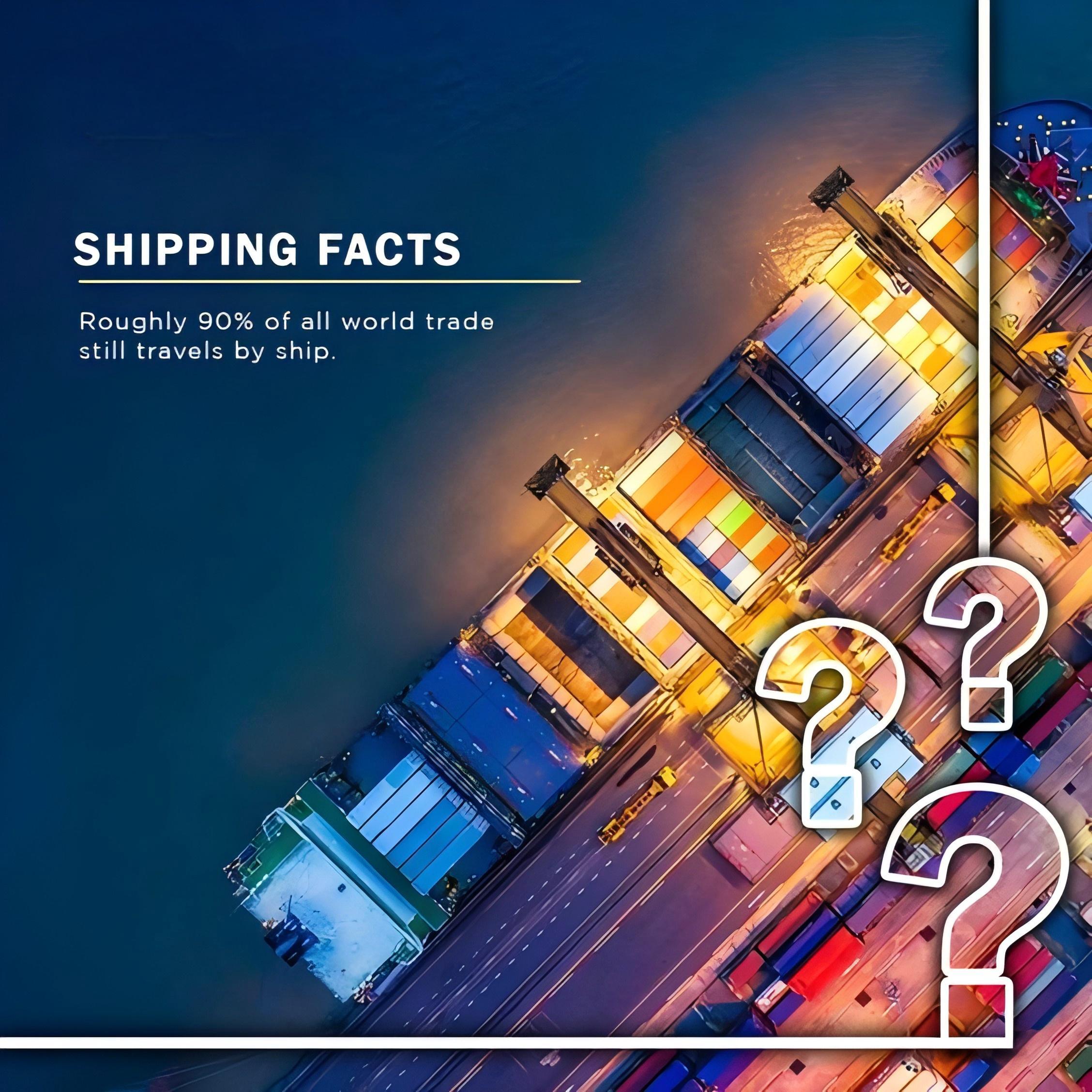
Strategies for Optimizing 40GP FCL Space and Costs
To effectively manage your hardware tool imports, implementing strategic approaches for securing 40GP FCL space and controlling shipping costs is essential. Proactive planning and leveraging expert partnerships can yield significant benefits.
Consider booking space well in advance, especially during peak seasons, to avoid premium rates and capacity shortages. Furthermore, consolidating orders from multiple suppliers into a single 40GP FCL can maximize container utilization and reduce per-unit shipping costs. Utilizing a freight forwarder with strong carrier relationships can also provide access to better rates and more reliable space allocation. This is a key aspect of efficient cargo handling.
Note: Freight rates are subject to change based on fuel costs, carrier capacity, and seasonal demand. Contact us for a current quote tailored to your specific shipment.
Mastering Your Hardware Tool Imports with Reliable 40GP FCL Space
Securing consistent and cost-effective 40GP FCL space for hardware tools from China to USA is undeniably complex. However, by understanding market dynamics, choosing appropriate shipping strategies, and partnering with experienced logistics providers, you can significantly streamline your supply chain.
Indeed, proactive planning, strategic port selection, and diligent customs management are pillars of successful international shipping. Ultimately, reliable 40GP FCL space ensures your hardware tools reach their market efficiently, supporting your business growth and customer satisfaction. We are here to assist with your next shipment.
Ready to streamline your logistics?
Ready to optimize your hardware tool imports from China to the USA? Contact our experts today to discuss your 40GP FCL space availability needs. We provide tailored solutions to ensure your shipments are efficient and cost-effective. Request a personalized quote now.
Request Quote