
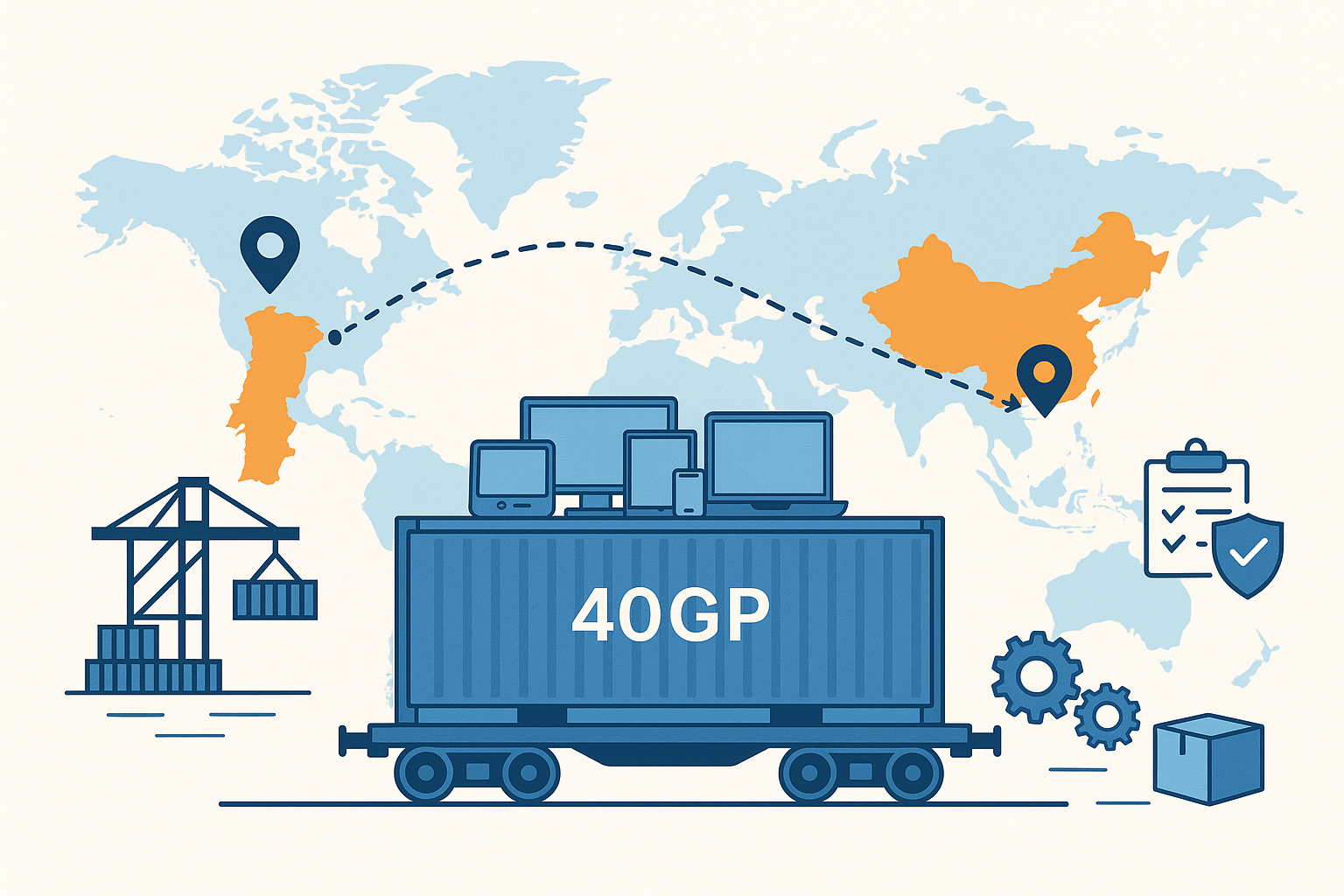
Although electronics importers increasingly seek predictable budgets, the 40GP FCL shipping cost for electronics from China to Portugal often fluctuates with freight rates and seasonal demand. Therefore, this guide provides actionable methods to calculate and optimize your logistics plan while using insights from our operations at Top China Freight. Moreover, readers will gain clarity on routing choices, customs compliance, and supply chain stability to support confident procurement decisions.

What factors drive the 40GP FCL shipping cost for electronics from China to Portugal?
Cost structures vary widely; however, several predictable inputs help importers plan budgets. For instance, fuel levels, carrier surcharges, and demand cycles influence 40GP container freight rates to Portugal. In addition, origin port selection impacts both transit reliability and price, since Shenzhen, Ningbo, and Shanghai each serve different feeder networks. Furthermore, electronics import costs must also consider packaging density, HS codes, and customs declarations, especially when importing high-value consumer electronics.
Key cost components
- Base ocean freight linked to market supply and demand
- Bunker Adjustment Factors (BAF) driven by global fuel indexes
- Peak Season Surcharges (PSS) applied during Q3–Q4
- Terminal Handling Charges (THC) at both China and Portugal ports
- Customs duties & VAT for electronics imports
- Optional services such as insurance, palletizing, consolidation
How does shipping time for a 40GP container to Portugal affect cost planning?
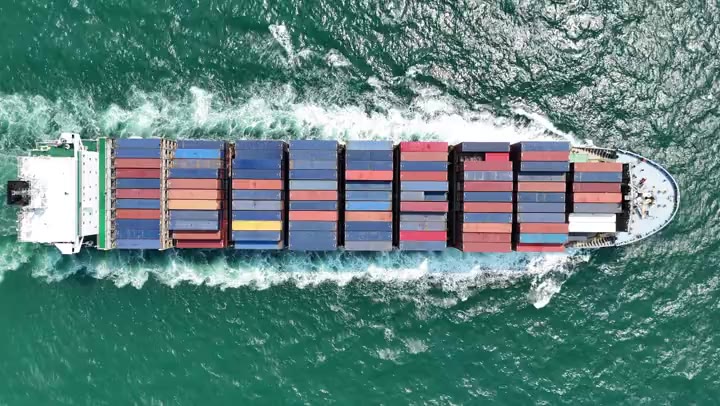
Transit durations significantly affect supply chain models, although most China–Portugal routes remain predictable. Typically, sailings require 28–36 days depending on the carrier and whether the service stops at intermediate hubs. Consequently, businesses with tight inventory cycles must align purchase orders with available sailing schedules. Additionally, stable FCL schedules from China to Portugal often allow importers to reduce buffer stock and improve working capital.
Typical transit times by route
| Origin Port (China) | Destination Port (PT) | Estimated Transit Time |
|---|---|---|
| Shanghai | Lisbon | 30–34 days |
| Ningbo | Sines | 28–33 days |
| Shenzhen/Yantian | Lisbon | 29–36 days |
Why is customs clearance crucial for electronics entering Portugal?
Customs clearance directly shapes total logistics spend because duties and VAT are calculated based on CIF value. Therefore, accurate HS classification, valuation, and documentation reduce clearance delays. Moreover, electronics import cost from China to Portugal varies with product categories such as consumer gadgets, components, or industrial electronics. Since inspection rates for electronics remain relatively high, importers must prepare compliance files early.
Essential customs documents
| Document Type | Purpose |
|---|---|
| Commercial Invoice | Confirms declared value and HS codes |
| Packing List | Details package quantity, weight, dimensions |
| Bill of Lading | Establishes ownership and transport record |
| CE Certificates | Required for many consumer electronics |
| Import License (if applicable) | Controls special-category products |
For companies needing stronger compliance control, Top China Freight provides optional brokerage coordination through our linked customs-brokerage workflows embedded naturally in our customs services.
How can importers calculate a realistic 40GP FCL shipping cost for electronics?
A practical cost model allows importers to include both predictable and variable components. Therefore, combining base freight, surcharges, customs duty, insurance, and last-mile delivery enables accurate landed-cost forecasting. Additionally, many companies integrate supply chain optimization tools to monitor freight trends, especially when sourcing components across regions.
Cost calculation structure
- Base freight (market-driven)
- Fuel & seasonal surcharges
- THC charges at origin and destination
- Customs duty and VAT
- Cargo insurance
- Delivery to warehouse or distribution center
Moreover, integrating analytics around Portugal FCL shipping price calculation and CIF-based duties results in smoother procurement decisions.
Case Studies
Shenzhen to Lisbon (Consumer Electronics)
A Portugal-based retailer shipped 1×40GP of mixed consumer electronics from Shenzhen. The load included smart devices, power accessories, and home electronics. The container utilization reached 96%, reducing per-unit freight cost. Transit time was 31 days, including a short hub stop in Singapore. The final landed cost met the client’s budget as customs clearance proceeded without inspection delays.
Ningbo to Sines (Industrial Electronics Components)
A European manufacturer imported industrial control components requiring shock-resistant packaging. After optimizing carton density, the cargo filled 54.2 CBM, preventing the need for a second container. Transit took 29 days, and the adaptable routing avoided weather delays in the Mediterranean. Additionally, insurance and documentation support minimized operational risk and kept the logistics spend predictable.
What shipping routes offer the best 40GP FCL pricing from China to Portugal?
Although cost advantages depend on market cycles, certain corridors consistently offer competitive ocean freight. For example, South China origin ports often show better pricing for high-volume electronics loads due to strong outbound capacity. Meanwhile, East China ports deliver stable schedules ideal for mixed electronics shipments. Furthermore, choosing the right service level — direct or transshipment — helps optimize both transit time and cost.
Route comparison summary
| Route Type | Cost Level | Reliability | Best For |
|---|---|---|---|
| Direct service | Higher | Very stable | High-value electronics |
| Transshipment via Singapore | Medium | Moderate | Bulk mid-value electronics |
| Transshipment via Mediterranean hubs | Lower | Variable | Large seasonal shipments |
How can technology improve visibility and cost control for electronics importers?
Digital platforms enhance forecasting accuracy because they reveal sailing delays, cost fluctuations, and customs trends in real time. Moreover, automated documentation systems reduce clerical errors that often trigger clearance delays. Therefore, importers gain measurable benefits by integrating shipment tracking and analytics into their procurement workflows.
Technology benefits
- Predictive schedule updates
- Automated customs document generation
- Integrated landed-cost calculators
- Alerts for freight-rate shifts
- Real-time container tracking from origin to warehouse
Additionally, when paired with expert operational support, these tools reinforce long-term supply chain resilience.
Do volume forecasts help secure better 40GP FCL pricing?
Consistent volume commitments often unlock more stable pricing because carriers value predictable allocations. Consequently, importers that provide quarterly or annual forecasts can negotiate more favorable contracts. Moreover, stable forecasts reduce exposure to volatile freight markets, especially during peak launch seasons for electronics. Even small importers benefit by consolidating volumes through a forwarder that aggregates multi-customer demand.
Conclusion
In summary, understanding the 40GP FCL shipping cost for electronics from China to Portugal requires careful evaluation of freight rates, customs procedures, and supply chain strategies. Although price volatility remains common, strong planning frameworks help stabilize budgets and improve reliability. Therefore, importers looking to optimize container utilization, streamline compliance, and improve visibility will benefit from expert support and structured logistics models. For businesses seeking dependable end-to-end assistance, requesting a tailored quotation is a practical next step.
Request A Free Quote
Start shipping smarter with TopChinaForwarder today! 🚢✨ Request a Free Quote 📝 and get a tailored logistics plan built around your cargo and timeline.
FAQ:
How is the freight rate for a 40GP container calculated?
Rates depend on market demand, carrier capacity, fuel costs, surcharges, and origin–destination pairings. Including THC, insurance, and customs duty helps estimate a realistic landed cost.
What documents are essential for electronics imports into Portugal?
You need a commercial invoice, packing list, bill of lading, CE compliance papers, and import licenses for specialized items.
Do electronics shipments face higher inspection rates?
Often yes, because of classification sensitivity. However, clean documentation and correct HS codes significantly reduce inspection probability.
How can I lower my total shipping cost?
Optimize packaging density, book early, consolidate shipments, and compare carriers. Forecasting seasonal demand can also reduce price volatility.
What affects customs duty for electronics?
Duties depend on HS code, product type, valuation, and applicable VAT. Accurate classification prevents costly reassessments.