
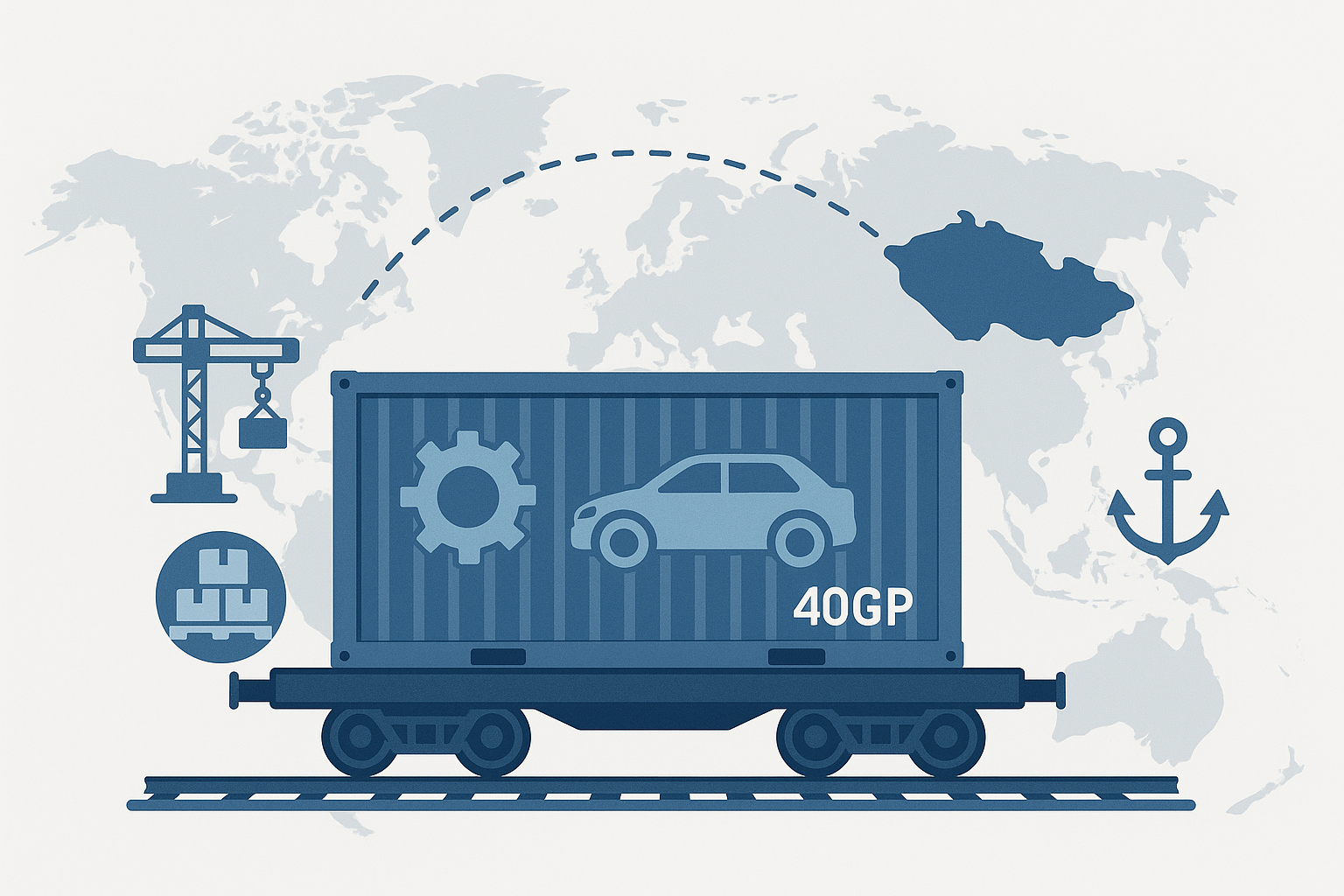
To control the 40GP FCL shipping cost for auto parts from China to Czech Republic, importers must balance container rates, transit time, and strict automotive compliance requirements. However, fluctuating freight rates and complex customs rules often create uncertainty for supply chain managers. Therefore, this guide outlines practical cost structures, proven shipping routes, and optimization strategies, supported by real shipment scenarios and professional insights from Top China Freight.
What Determines the 40GP FCL Shipping Cost for Auto Parts from China to Czech Republic?
Several variables directly influence the final landed cost when shipping automotive components in a 40GP container. Although rates may look simple at first glance, the actual expense reflects multiple operational layers.
Core Cost Drivers You Should Evaluate
First, ocean freight rates form the largest portion of the cost and fluctuate based on carrier capacity and seasonal demand. Meanwhile, port handling charges in China and Europe add a fixed but unavoidable layer. In addition, auto parts often require reinforced packaging, which slightly reduces usable container space.
Equally important, customs clearance fees and VAT in the Czech Republic significantly impact the final figure. As a result, a holistic cost view is essential rather than focusing only on base freight rates.
How Do Container Shipping Rates from China to Czech Republic Typically Break Down?
Although every shipment differs, most 40GP FCL movements follow a similar cost structure. Therefore, understanding each component helps importers identify optimization opportunities early.
| Cost Component | Typical Share | Notes |
|---|---|---|
| Ocean freight | 45–60% | Varies by carrier and season |
| Origin charges (China) | 10–15% | THC, documentation, loading |
| Destination charges (EU) | 10–15% | Terminal handling, port fees |
| Inland transport | 10–20% | Truck or rail to Czech Republic |
| Customs & VAT | Variable | Based on HS code and value |
Because auto parts often ship year-round, locking in stable carrier contracts can smooth out seasonal price spikes.
How Can Auto Parts Shippers Optimize 40GP FCL Costs?
While rates fluctuate, several controllable factors help reduce overall expenses. First, accurate cargo planning ensures optimal container utilization. Since auto parts vary in shape and weight, professional loading plans prevent wasted space.
Secondly, consolidating production schedules allows exporters to avoid urgent sailings, which often carry premium pricing. In addition, working with an experienced provider offering FCL and LCL services simplifies booking and documentation.
Why Is Transit Time Closely Linked to Shipping Cost?
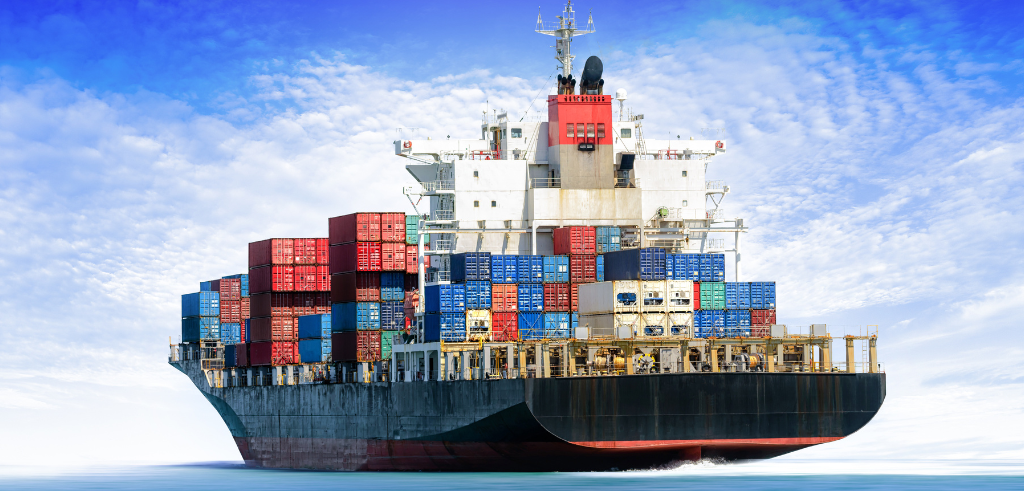
Transit time and shipping cost remain closely connected, especially for automotive supply chains that rely on just-in-time delivery. Faster routes generally cost more, yet delays often create hidden expenses.
Typical Transit Time by Sea Route
Most 40GP FCL shipments depart from Shanghai, Ningbo, or Shenzhen, arriving at major European ports such as Hamburg or Koper. From there, inland transport moves cargo to Prague or Brno.
| Route | Average Transit Time | Cost Impact |
|---|---|---|
| China → Hamburg → Czech Republic | 32–38 days | Balanced cost |
| China → Koper → Czech Republic | 30–35 days | Slightly higher |
| China → Rotterdam → Czech Republic | 34–40 days | Stable capacity |
Therefore, selecting the right port of discharge can reduce inland transport costs and shorten delivery schedules.
Case Studies
Shanghai to Prague Automotive Components
Shipment profile:
Origin: Shanghai, China
Destination: Prague, Czech Republic
Cargo: Brake systems and suspension parts
Container: 1 × 40GP FCL
Weight: 18.5 tons
Shipping solution:
The shipment moved via ocean freight to Hamburg, followed by truck delivery to Prague. Total transit time reached 36 days, including customs clearance.
Cost overview:
Ocean freight and port charges accounted for approximately 58% of the total shipping cost. Inland transport represented 14%, while customs duties and VAT varied based on declared value. Overall, careful route selection helped stabilize costs despite peak season conditions.
Ningbo to Brno Auto Parts Supply
Shipment profile:
Origin: Ningbo, China
Destination: Brno, Czech Republic
Cargo: Steering components and mounting brackets
Container: 1 × 40GP FCL
Weight: 21 tons
Shipping solution:
The shipment sailed to Koper, followed by rail transport to Brno. Transit time reached 31 days, which supported tight production schedules.
Cost overview:
Ocean freight represented about half of the total cost, while inland rail transport reduced trucking expenses by nearly 12%. Early customs filing further minimized port storage charges, improving overall cost efficiency.
What Documents Are Required for Smooth Import into the Czech Republic?
Proper documentation ensures predictable clearance and avoids delays. Although requirements vary by HS code, most automotive shipments follow a standard checklist.
| Document | Purpose | Common Pitfalls |
|---|---|---|
| Commercial Invoice | Customs valuation | Incorrect declared value |
| Packing List | Cargo verification | Mismatch with container load |
| Bill of Lading | Proof of shipment | Consignee errors |
| Certificate of Origin | Duty calculation | Missing endorsement |
| Import Licenses (if needed) | Regulatory compliance | Late submission |
Therefore, aligning documents before vessel arrival shortens clearance time and stabilizes delivery schedules.
Should You Consider Rail Freight as an Alternative?
Although this article focuses on ocean shipping, rail freight increasingly supports automotive supply chains moving between China and Europe. While rail costs exceed sea freight, transit time drops by nearly half.
For time-sensitive components, combining sea freight with selective rail shipments improves flexibility. Providers offering integrated rail freight services often design hybrid solutions to balance speed and budget.
Can Inland Transport Choices Significantly Change Final Costs?
Once a 40GP container arrives at a European port, inland transport becomes a decisive cost factor. Although ocean freight often receives the most attention, trucking or rail delivery into the Czech Republic can shift the final budget noticeably.
Comparing Inland Transport Options
Trucking from Hamburg or Koper offers flexibility and faster door delivery, yet fuel surcharges may apply during peak periods. Rail, on the other hand, delivers more predictable pricing and lower emissions, especially for high-volume automotive imports. Therefore, selecting inland transport based on delivery urgency and cost tolerance improves overall control of the 40GP FCL shipping cost for auto parts from China to Czech Republic.
Conclusion
Managing the 40GP FCL shipping cost for auto parts from China to Czech Republic requires more than comparing freight rates. By evaluating routes, inland transport options, customs compliance, and cargo characteristics, importers gain real cost control. Ultimately, structured planning and experienced logistics support transform complex shipping decisions into predictable outcomes.
Request A Free Quote
Start shipping smarter with TopChinaForwarder today! 🚢✨ Request a Free Quote 📝 and get a tailored logistics plan built around your cargo and timeline.
FAQ:
What makes up the 40GP FCL shipping cost for auto parts?
Costs usually include ocean freight, port charges, inland transport, customs duties, VAT, and optional insurance.
How long does sea freight from China to Czech Republic take?
Transit time typically ranges from 30 to 40 days, depending on port selection and inland transport mode.
Is rail freight cheaper than sea freight for auto parts?
Rail is faster but usually costs more than sea freight; however, it reduces inventory holding costs.
Should I choose FCL over LCL for auto parts?
FCL suits higher volumes, heavier cargo, and consistent shipments, offering better cost control and security.
How can I avoid unexpected destination charges?
Clear contracts, early document submission, and door-to-door services help prevent surprise fees.