
20GP FCL Transit Time for Machinery from China to Georgia Guide
Navigating the complexities of international logistics requires a clear understanding of the 20GP FCL transit time for machinery from China to Georgia. At Top China Freight, we specialize in streamlining these routes to ensure your industrial equipment arrives safely and on schedule. Consequently, businesses can better manage their supply chain expectations and avoid costly project delays. Understanding the nuances of the Caucasus market is essential for any importer looking to maintain a competitive edge in the machinery sector.
What is the average 20GP FCL transit time for machinery from China to Georgia?
Typically, the transit time for a 20ft container ranges from 35 to 45 days when utilizing standard ocean routes. This duration accounts for the voyage from major Chinese hubs like Shanghai or Shenzhen to the Port of Poti. Furthermore, the total lead time may extend if there are transshipment stops in Mediterranean hubs like Piraeus or Istanbul.

Shipping machinery requires careful planning because these goods often involve complex loading procedures. Therefore, the door-to-door timeline usually includes an additional 5 to 7 days for factory pickup and port handling. Meanwhile, the actual time on the water remains the most significant portion of the delivery schedule.
Seasonal factors can also influence the 20GP FCL transit time for machinery from China to Georgia. For instance, winter weather in the Black Sea can occasionally cause short delays in vessel berthing. Nevertheless, most carriers maintain a reliable weekly schedule for this specific corridor.
Factors Affecting the Delivery Schedule for Industrial Goods
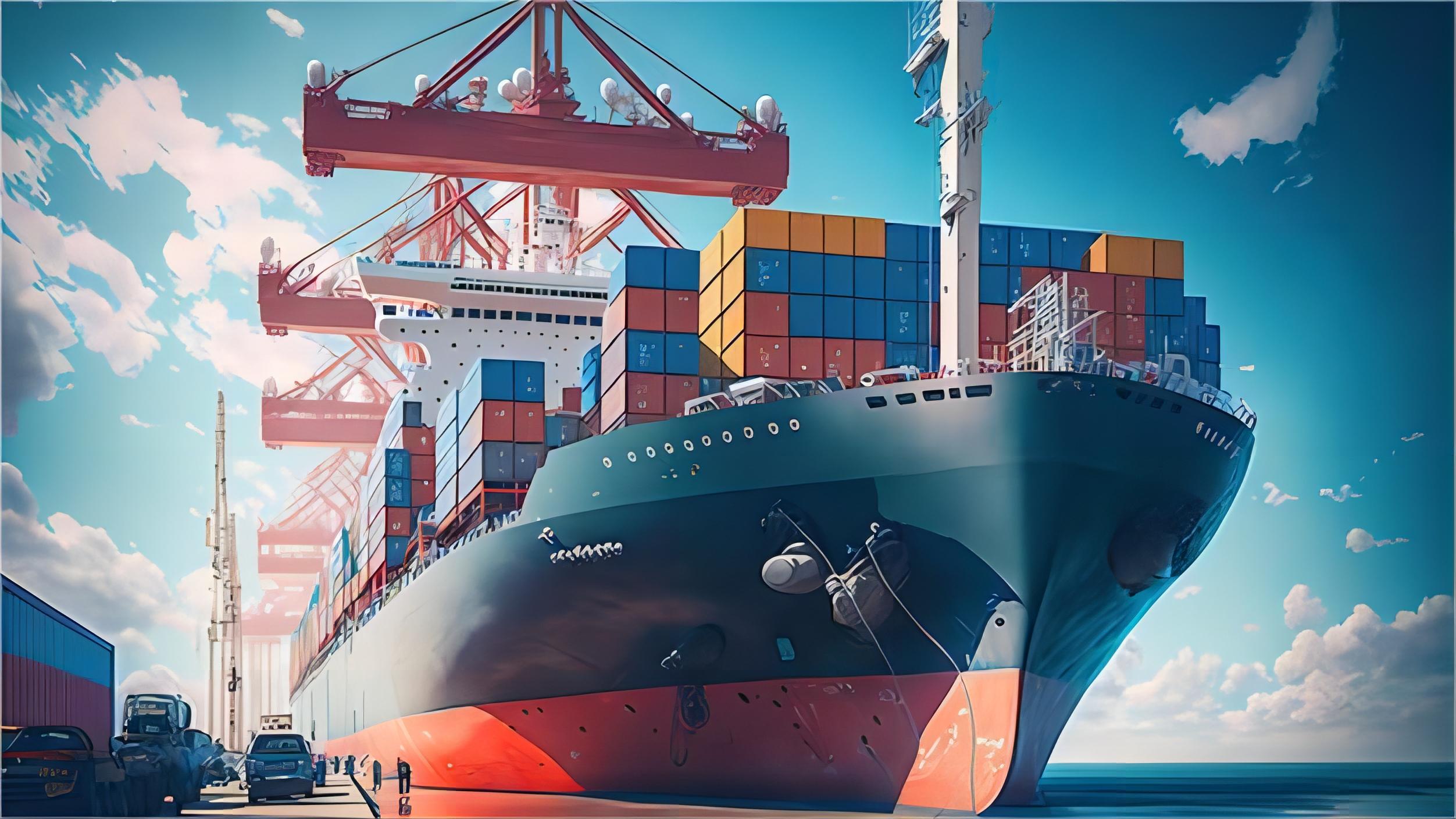
Weather conditions in the South China Sea and the Indian Ocean often play a major role in voyage stability. Additionally, port congestion at transshipment points can add several days to the 20GP FCL transit time for machinery from China to Georgia. Therefore, selecting a reliable carrier with guaranteed space is vital for maintaining a consistent delivery schedule.
Customs procedures at both the origin and destination can also impact the overall timeline. Specifically, machinery often requires detailed inspections and verification of technical specifications. As a result, having accurate documentation is the best way to prevent administrative bottlenecks.
Peak season demand is another critical factor that shippers must consider. During the months leading up to the end of the year, vessel capacity becomes tighter, which can lead to rolled cargo. Consequently, booking your shipment at least 3-4 weeks in advance is highly recommended to secure your preferred departure date.
How Does Sea Freight Compare to Other Shipping Options?
Comparing different modes of transport is essential for optimizing your machinery logistics. While sea freight remains the most cost-effective solution for heavy equipment, it is significantly slower than other methods. In contrast, air freight offers unparalleled speed for urgent spare parts but comes at a much higher price point.
Rail freight serves as a middle ground for many businesses operating in the Caucasus region. By utilizing the rail freight networks through the Middle Corridor, transit times can be reduced to approximately 20 days. However, the cost is generally higher than ocean transport, making it a strategic choice for time-sensitive projects.
Hybrid solutions like sea-air combinations are also available for specific scenarios. These routes might involve shipping by sea to a hub like Dubai and then flying the cargo to Tbilisi. Ultimately, the choice depends on your budget, the urgency of the machinery, and the total volume of the shipment.
| Shipping Method | Cost Range (USD) | Transit Time | Best For |
|---|---|---|---|
| Sea Freight (20GP) | $1,800 – $3,200 | 35-45 Days | Bulk Machinery |
| Rail Freight | $4,500 – $6,500 | 18-25 Days | Medium Urgency |
| Air Freight | $12,000+ | 5-9 Days | Urgent Parts |
| LCL Sea Freight | $80 – $150/CBM | 40-50 Days | Small Equipment |
Top Chinese Ports for Machinery Export to the Caucasus
Most machinery shipments originate from the industrial clusters surrounding Ningbo, Qingdao, or Tianjin. These ports offer the most frequent departures and the most competitive 20GP FCL transit time for machinery from China to Georgia. Choosing a port close to your manufacturer can also reduce inland haulage costs significantly.
Shanghai remains the largest hub for machinery exports due to its advanced cargo handling facilities. For instance, specialized equipment like CNC machines or industrial boilers are frequently processed through Shanghai’s heavy-lift terminals. Consequently, this port often provides the most reliable schedules for the Black Sea route.
Shenzhen is the preferred gateway for electronics and precision machinery located in Southern China. While the transit time from Shenzhen is comparable to Shanghai, the local logistics ecosystem is highly efficient for high-tech equipment. Therefore, your choice of loading port should align with the geographical location of your supplier.
Essential Customs Brokerage for Machinery Imports
Importing heavy equipment into Georgia requires meticulous documentation to satisfy local authorities. Utilizing a professional customs brokerage service ensures that your machinery meets all technical standards and tariff requirements. Indeed, improper paperwork is one of the most common causes of unexpected delays at the border.
Georgian customs regulations are generally business-friendly, but machinery often falls under specific HS code classifications that require precision. Moreover, you must ensure that all commercial invoices and packing lists clearly state the machine’s model, power, and intended use. As a result, pre-clearing your documents can save valuable time once the vessel arrives at Poti.
Value Added Tax (VAT) and import duties vary based on the type of machinery being imported. Some industrial equipment may qualify for exemptions under specific investment programs. Consequently, consulting with a logistics expert before the shipment departs China can help you identify potential cost-saving opportunities.
Cost Analysis for 20GP FCL Machinery Shipments
Pricing for a 20GP container varies based on seasonal demand and fuel surcharges. During peak seasons, rates might increase by 20% due to limited vessel capacity. Meanwhile, base ocean freight usually covers the port-to-port leg, but shippers must also account for local handling charges and insurance.
Insurance is a non-negotiable aspect of machinery logistics given the high value of the cargo. Typically, insurance premiums range from 0.3% to 0.5% of the total commercial invoice value. Without a doubt, this small investment provides essential peace of mind against potential maritime risks or handling damage.
Note: Freight rates are subject to change based on fuel costs, carrier capacity, and seasonal demand. Contact us for a current quote tailored to your specific shipment.
| Cost Item | Estimated Price (USD) | Category | Notes |
|---|---|---|---|
| Ocean Freight | $2,200 – $2,800 | Freight | Port to Port |
| THC & Documentation | $300 – $500 | Origin | Fixed Charge |
| Insurance | $150 – $400 | Protection | Based on Value |
| Poti Port Charges | $250 – $450 | Destination | Local Fees |
Which Option Should You Choose for Your Machinery?
Selecting the right shipping method depends on several key criteria including budget, speed, and cargo volume. If your priority is keeping costs low and you have a flexible timeline, sea freight is the logical choice. On the other hand, if your production line is halted and you need a machine immediately, air freight is the only viable solution.
Volume thresholds also play a role in the decision-making process. For shipments under 15 CBM, you might consider LCL (Less than Container Load) shipping to save money. However, for machinery, a 20GP FCL is often safer because it minimizes the risk of damage during consolidation and de-consolidation.
Budget priority: Recommend Sea Freight via Poti. Speed priority: Recommend Rail Freight or Air Freight. Cargo type considerations: Use 20GP for standard machines and 40HQ or Open Top for oversized equipment. Following these guidelines will help you optimize your logistics strategy for the Georgian market.
Case Studies: Real-World Machinery Shipping Scenarios
Case Study 1: Industrial Excavator Parts. Route: Shanghai to Poti. Cargo: Excavator components, 18 CBM, 12,000 kg. Container: 20GP. Shipping Details: Major carrier, direct route. Ocean Freight: $2,450. Origin Charges: $420. Destination Charges: $380. Total Landed Cost: $3,250. Sea Transit: 38 days. Total Door-to-Door: 46 days. Key Insight: Early booking allowed the client to avoid a 15% rate hike during the Golden Week holiday.
Case Study 2: Precision CNC Machine. Route: Shenzhen to Tbilisi. Cargo: High-precision CNC unit, 14 CBM, 8,500 kg. Container: 20GP. Shipping Details: Transshipment via Istanbul. Ocean Freight: $2,700. Origin Charges: $450. Destination Charges: $500. Total Landed Cost: $3,650. Sea Transit: 42 days. Total Door-to-Door: 52 days. Key Insight: Specialized moisture-proof packaging was used to protect sensitive electronics during the long sea voyage.

Reducing Delays with Door to Door Logistics
Managing the entire process from the factory floor to the final site in Tbilisi is often the most efficient approach. Our door to door solutions eliminate the stress of coordinating multiple logistics providers. As a result, you receive a single point of contact and a unified invoice for the entire journey.
Inland transportation in Georgia is primarily handled by trucks from the Port of Poti to the final destination. Because machinery can be heavy or oversized, specialized trailers are often required for the final leg. Therefore, working with a provider that has a strong local network in the Caucasus is a significant advantage.
Communication is the final piece of the puzzle for successful machinery shipping. Regular updates on the vessel’s position and the status of customs clearance allow you to prepare your site for the machine’s arrival. Consequently, you can minimize downtime and begin operations as soon as the equipment is delivered.
Final Thoughts on Shipping Machinery to Georgia
Successfully managing the 20GP FCL transit time for machinery from China to Georgia requires a combination of strategic planning and expert execution. By understanding the typical 35-45 day timeline and the various factors that influence it, you can make informed decisions for your business. Whether you prioritize cost-efficiency through sea freight or speed through rail alternatives, selecting the right partner is the most important step.
Remember to account for customs requirements and local handling to ensure a smooth transition from port to factory. With the right preparation, your machinery will arrive in Georgia ready to drive your business forward. Let us help you navigate the complexities of international trade with our comprehensive logistics services.
Ready to streamline your logistics?
Ready to streamline your industrial supply chain? Contact Top China Freight today for a customized quote on your 20GP FCL transit time for machinery from China to Georgia. Our team of experts is standing by to provide you with the most efficient logistics solutions tailored to your specific machinery needs. Visit our website to learn more or send an inquiry to get started now.
Request Quote