
20GP FCL Transit Time: China to Germany Hardware Tools
Navigating international shipping for specialized cargo like hardware tools can be complex. Understanding the 20GP FCL transit time for hardware tools from China to Germany is crucial for effective supply chain planning. Many businesses struggle with unpredictable delivery schedules and hidden costs, however, strategic logistics planning can transform these challenges into competitive advantages. This comprehensive guide will illuminate the key factors influencing transit times, helping you make informed decisions for your shipments.
What is 20GP FCL Shipping and Why is it Ideal for Hardware Tools?
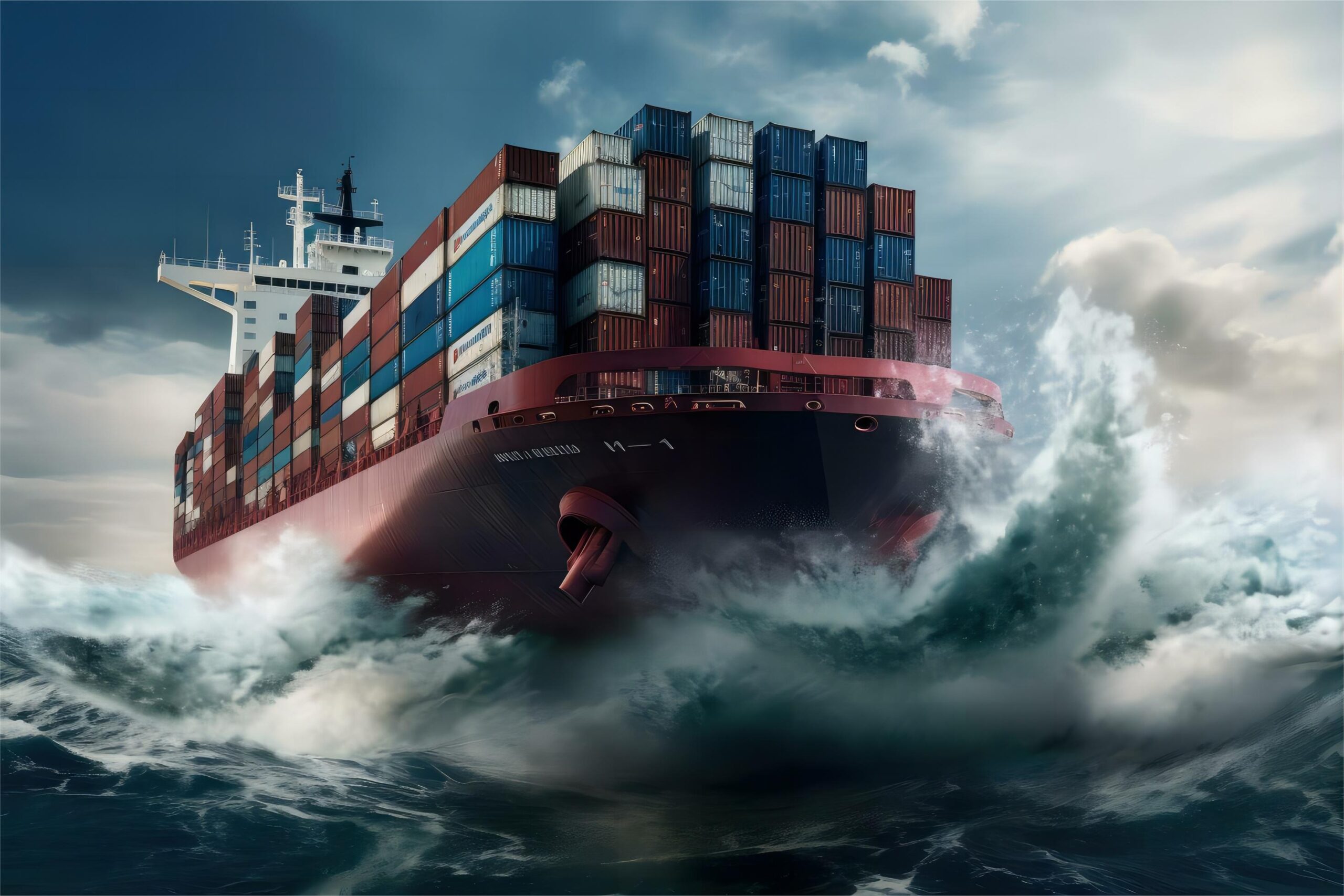
A 20GP FCL, or 20-foot General Purpose Full Container Load, refers to a shipping method where your cargo occupies an entire 20-foot container. This approach is highly beneficial for businesses shipping from China to Europe, especially for substantial quantities of hardware tools. It offers exclusive use of the container, thereby minimizing handling and reducing the risk of damage.
Choosing FCL ensures that your hardware tools remain secure and untouched from origin to destination. Furthermore, it often results in faster transit times compared to Less than Container Load (LCL) shipments, which require consolidation and deconsolidation processes. This dedicated capacity is particularly valuable for maintaining the integrity and quality of sensitive industrial equipment.

What Factors Influence 20GP FCL Transit Time from China to Germany?
The journey for sea freight hardware tools from China to Germany involves several critical variables. These elements collectively determine the overall delivery schedule. Understanding them allows for better planning and more accurate estimations.
Firstly, the specific port of loading in China significantly impacts transit duration. Major ports like Shanghai, Ningbo, and Shenzhen generally offer more direct routes and frequent sailings. Conversely, smaller ports might require transshipment, adding several days to the journey.
Secondly, the chosen shipping line and its service route play a pivotal role. Some carriers prioritize speed with direct services, while others might offer more economical options with longer transit times due to multiple port calls. Direct routes are typically faster, but can be more expensive.
Thirdly, seasonal demand and global logistics trends also influence transit times. Peak seasons, such as before major holidays like Chinese New Year or Christmas, often lead to port congestion and vessel delays. Geopolitical events or disruptions, like the Red Sea incidents in early 2024, can also drastically alter shipping routes and schedules, extending transit considerably.
Lastly, customs clearance processes at both origin and destination ports are crucial. Efficient documentation and compliance with German import regulations can expedite the process. However, any discrepancies or incomplete paperwork can lead to significant delays, impacting your overall delivery schedule.
Typical 20GP FCL Transit Times from Key Chinese Ports to Germany
Generally, the 20GP FCL transit time for hardware tools from China to Germany ranges from 28 to 35 days for port-to-port shipping. This duration, however, does not include pre-carriage, customs clearance, or final delivery. Therefore, a realistic door-to-door estimate is usually longer.
For instance, shipments from major East China ports like Shanghai or Ningbo to Hamburg or Bremerhaven in Germany typically fall within this range. Southern Chinese ports such as Shenzhen or Guangzhou might have slightly different schedules, depending on the vessel’s routing. As of Q1 2025, freight rates from China to Europe have stabilized after the 2024 Red Sea disruptions, but vessel schedules can still experience minor fluctuations.
| Origin Port (China) | Destination Port (Germany) | Typical Transit Time (Days) | Frequency |
|---|---|---|---|
| Shanghai | Hamburg | 28-32 | Daily/Bi-weekly |
| Ningbo | Bremerhaven | 30-34 | Daily/Bi-weekly |
| Shenzhen | Hamburg | 30-35 | Daily/Bi-weekly |
| Qingdao | Bremerhaven | 32-36 | Weekly |

How Does FCL Compare to Other Shipping Options for Hardware Tools?
When importing hardware tools, businesses have several logistics trends and options beyond FCL. Each method presents a unique balance of speed, cost, and capacity. Carefully evaluating these alternatives is essential for optimizing your supply chain.
While FCL offers dedicated container space and generally reliable transit times, other methods might be more suitable depending on your specific needs. For urgent or smaller shipments, different approaches can provide better value. Understanding these trade-offs is key to making informed decisions for your door-to-door delivery.
Note: Freight rates are subject to change based on fuel costs, carrier capacity, and seasonal demand. Contact us for a current quote tailored to your specific shipment.
| Shipping Method | Cost Range (20GP Equivalent) | Transit Time (Port-to-Port) | Best For |
|---|---|---|---|
| FCL Sea Freight (20GP) | $1,800-2,500 | 28-35 days | Large volumes, cost-effectiveness, heavy/bulky hardware |
| LCL Sea Freight | $500-1,200 (for ~5-10 CBM) | 35-45 days | Smaller shipments (under 15 CBM), lower cost per CBM |
| Air Freight | $15,000-25,000 (for ~1000kg) | 3-7 days | Urgent, high-value, small volume shipments (e.g., specialized tools) |
| Rail Freight | $6,000-9,000 | 18-25 days | Time-sensitive but not urgent, mid-sized shipments, better environmental footprint |
Alternative Strategies and Hybrid Solutions for Your Hardware Tool Imports
Optimizing the import of hardware tools often involves considering various alternative approaches and hybrid solutions. These strategies can provide flexibility in managing shipping costs, transit time, and overall supply chain efficiency. Market data suggests that combining methods can yield significant advantages.
For instance, if speed is a moderate concern but air freight is too costly, rail freight presents a compelling option. It significantly cuts down transit time compared to sea freight, offering a balance between cost and speed. This is particularly effective for landlocked regions or when avoiding port congestion is critical.
Another effective strategy involves utilizing hybrid solutions like Sea-Air. This method combines the cost-effectiveness of ocean shipping for the initial leg with the speed of air freight for the final leg. For example, shipping from China to a transit hub like Dubai or Singapore by sea, then air freighting to Germany, can reduce overall transit time to 15-20 days while remaining more affordable than direct air freight.
Furthermore, for smaller, high-value components of hardware tools, an express service might be more suitable. While pricier per kg, it offers unparalleled speed and often includes door-to-door delivery and simplified customs procedures. This can be beneficial for urgent spare parts or prototypes.
Consider also the FCL vs LCL decision. For shipments under 15 CBM, LCL at $50-80/CBM may be more economical than a full container, especially if your hardware tools do not fill a 20GP. However, LCL introduces additional handling and potential delays.
Which Option Should You Choose? A Decision Framework
Selecting the best shipping method for your hardware tools from China to Germany depends on your specific business priorities. A clear decision framework can help streamline this process. Consider these factors when evaluating your logistics strategy.
If budget is your primary concern, FCL sea freight or LCL (for smaller volumes) is generally the most economical choice. These methods offer the lowest freight rates per unit, albeit with longer transit times. However, for large volumes of durable hardware tools, the cost savings are substantial.
Conversely, if speed is paramount, air freight or a Sea-Air hybrid solution is recommended. While significantly more expensive, they drastically reduce transit time, crucial for time-sensitive projects or urgent stock replenishment. For instance, specialized tools with short lead times benefit most from air freight.
Cargo type considerations also play a vital role. Fragile or high-value hardware tools might benefit from the reduced handling of FCL, even if LCL is cheaper. For extremely sensitive equipment, specialized air cargo options might be necessary. Volume thresholds are also important; if your hardware tools consistently fill more than 15 CBM, switching to FCL from LCL becomes more cost-effective.
Finally, always factor in the total landed cost, including origin charges, destination charges, and customs brokerage. A seemingly cheaper freight rate might hide expensive local charges. Therefore, a holistic view of all expenses is essential for true cost optimization.
Case Studies: Real-World 20GP FCL Hardware Tool Shipments to Germany
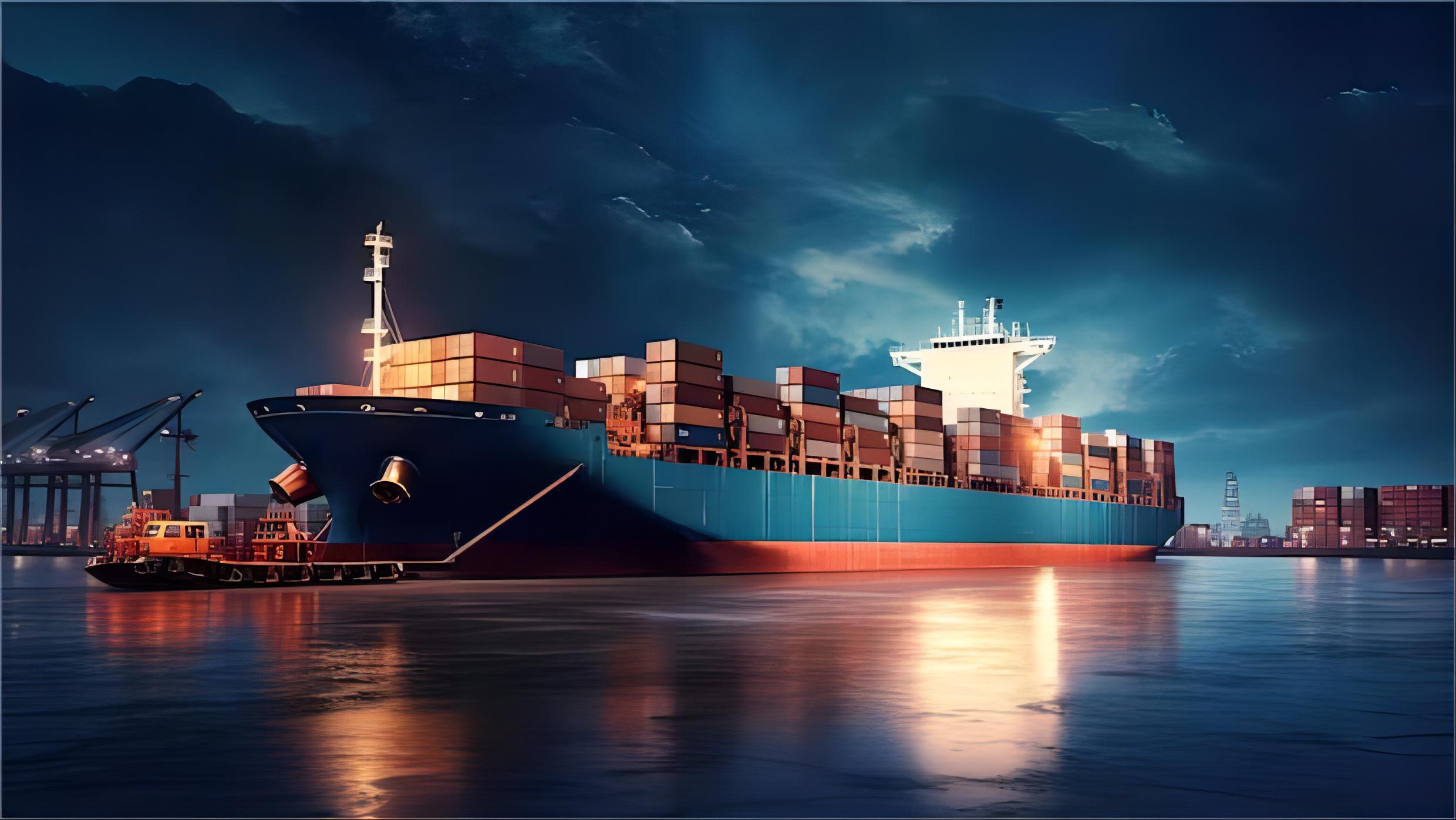
Examining real-world examples provides valuable insights into the practicalities of shipping hardware tools. These case studies highlight typical scenarios, costs, and transit times for 20GP FCL shipments from China to Germany. They demonstrate effective supply chain management in action.
Case Study 1: Standard Industrial Tools to Hamburg
This case illustrates a typical shipment of general industrial hardware tools, emphasizing cost-effectiveness and reliable delivery for a steady supply chain. The client prioritized stable freight rates and predictable transit over extreme speed. Based on Q3 2024 market rates, this was a standard operation.
| Detail | Description |
|---|---|
| Route | Shanghai, China to Hamburg, Germany |
| Cargo | Assorted hand tools, power tool accessories, 18 CBM, 15,000 kg |
| Container | 20GP FCL |
| Carrier/Service | COSCO (Direct Service) |
| Port of Loading | Shanghai |
| Port of Discharge | Hamburg |
| Route Type | Direct |
| Ocean Freight | $2,100 |
| Origin Charges | $350 (THC, documentation) |
| Destination Charges | $400 (DTHC, handling) |
| Customs & Duties (estimated) | $1,200 (based on HS codes) |
| Total Landed Cost | $4,050 |
| Booking to Loading | 5 days |
| Sea Transit | 30 days |
| Customs Clearance | 3 days |
| Total Door-to-Door | 38 days |
| Key Insight | Direct service ensured minimal delays, and proactive documentation prevented customs issues. |
Case Study 2: Precision Measuring Tools with Time Sensitivity
This client needed to balance cost with a slightly tighter delivery schedule for precision measuring tools. A reliable freight forwarder China to Germany was crucial. This example reflects typical rates as of early 2025, post-Red Sea rerouting adjustments.
| Detail | Description |
|---|---|
| Route | Ningbo, China to Bremerhaven, Germany |
| Cargo | Digital calipers, micrometers, 15 CBM, 12,000 kg |
| Container | 20GP FCL |
| Carrier/Service | Maersk (Premium Service) |
| Port of Loading | Ningbo |
| Port of Discharge | Bremerhaven |
| Route Type | Direct |
| Ocean Freight | $2,350 |
| Origin Charges | $400 (THC, documentation) |
| Destination Charges | $450 (DTHC, handling) |
| Customs & Duties (estimated) | $1,500 (higher value goods) |
| Total Landed Cost | $4,700 |
| Booking to Loading | 4 days |
| Sea Transit | 32 days |
| Customs Clearance | 2 days |
| Total Door-to-Door | 38 days |
| Key Insight | Choosing a premium carrier reduced transit time by a few days, justifying the slightly higher ocean freight cost. |
Case Study 3: Bulk Fasteners and Small Hardware via Transshipment
This scenario involved a client seeking the most cost-effective solution for high-volume, lower-value hardware. They were willing to accept a slightly longer transit time for significant savings. This represents typical market conditions for Q1 2025.
| Detail | Description |
|---|---|
| Route | Shenzhen, China to Hamburg, Germany |
| Cargo | Assorted fasteners, screws, bolts, 20 CBM, 20,000 kg |
| Container | 20GP FCL (fully loaded) |
| Carrier/Service | MSC (Transshipment Service) |
| Port of Loading | Shenzhen |
| Port of Discharge | Hamburg |
| Route Type | Transshipment via Port Klang |
| Ocean Freight | $1,950 |
| Origin Charges | $300 (THC, documentation) |
| Destination Charges | $380 (DTHC, handling) |
| Customs & Duties (estimated) | $900 |
| Total Landed Cost | $3,530 |
| Booking to Loading | 6 days |
| Sea Transit | 38 days (including 3-day layover at Port Klang) |
| Customs Clearance | 4 days (due to higher volume of items) |
| Total Door-to-Door | 48 days |
| Key Insight | Utilizing a transshipment route provided substantial cost savings despite adding extra days to the overall transit time. |
Ensuring Smooth Customs Clearance and Compliance for Hardware Tools
Efficient customs processes are fundamental to achieving optimal 20GP FCL transit time for hardware tools from China to Germany. Delays at customs can negate any time saved during ocean transit. Therefore, meticulous preparation and understanding of import regulations are paramount.
Firstly, ensure all documentation is accurate and complete. This includes the commercial invoice, packing list, bill of lading, and any necessary certificates (e.g., CE marking for certain tools). Incomplete or incorrect paperwork is a leading cause of customs holds. Moreover, proper classification of your hardware tools using Harmonized System (HS) codes is critical for correct duty assessment and compliance.
Secondly, be aware of specific German import regulations and standards for hardware tools. Some tools might require specific safety certifications or environmental compliance. Staying updated on these requirements prevents unexpected inspections or rejections. Engaging a knowledgeable customs broker can significantly streamline this complex process, ensuring all declarations are filed correctly and promptly.
Streamlining Your 20GP FCL Transit for Hardware Tools
Effectively managing the 20GP FCL transit time for hardware tools from China to Germany requires a deep understanding of various logistical elements. From selecting the right shipping method to navigating customs, each step impacts your delivery schedule and overall profitability. By focusing on direct routes, comprehensive documentation, and strategic planning, businesses can achieve greater predictability.
Ultimately, partnering with an experienced freight forwarder is crucial for successful international shipping. They can provide invaluable insights, manage complexities, and offer tailored solutions to ensure your hardware tools reach Germany efficiently and affordably. Optimize your import/export strategy for a competitive edge.
Need a tailored shipping solution?
Ready to optimize your supply chain for hardware tools from China to Germany? Contact Top China Freight today for a personalized quote and expert guidance. We streamline your 20GP FCL transit time, ensuring efficiency and cost-effectiveness for your valuable cargo.