
20GP FCL Transit Time: China to Denmark Hardware Tools
Navigating international logistics can be complex, especially when shipping specialized cargo like hardware tools. Understanding the precise 20GP FCL transit time for hardware tools from China to Denmark is crucial for effective supply chain management. This guide, brought to you by Top China Freight, demystifies the process, helping you plan your shipments with confidence. We will explore key factors, shipping options, and real-world scenarios to ensure your goods arrive on schedule.
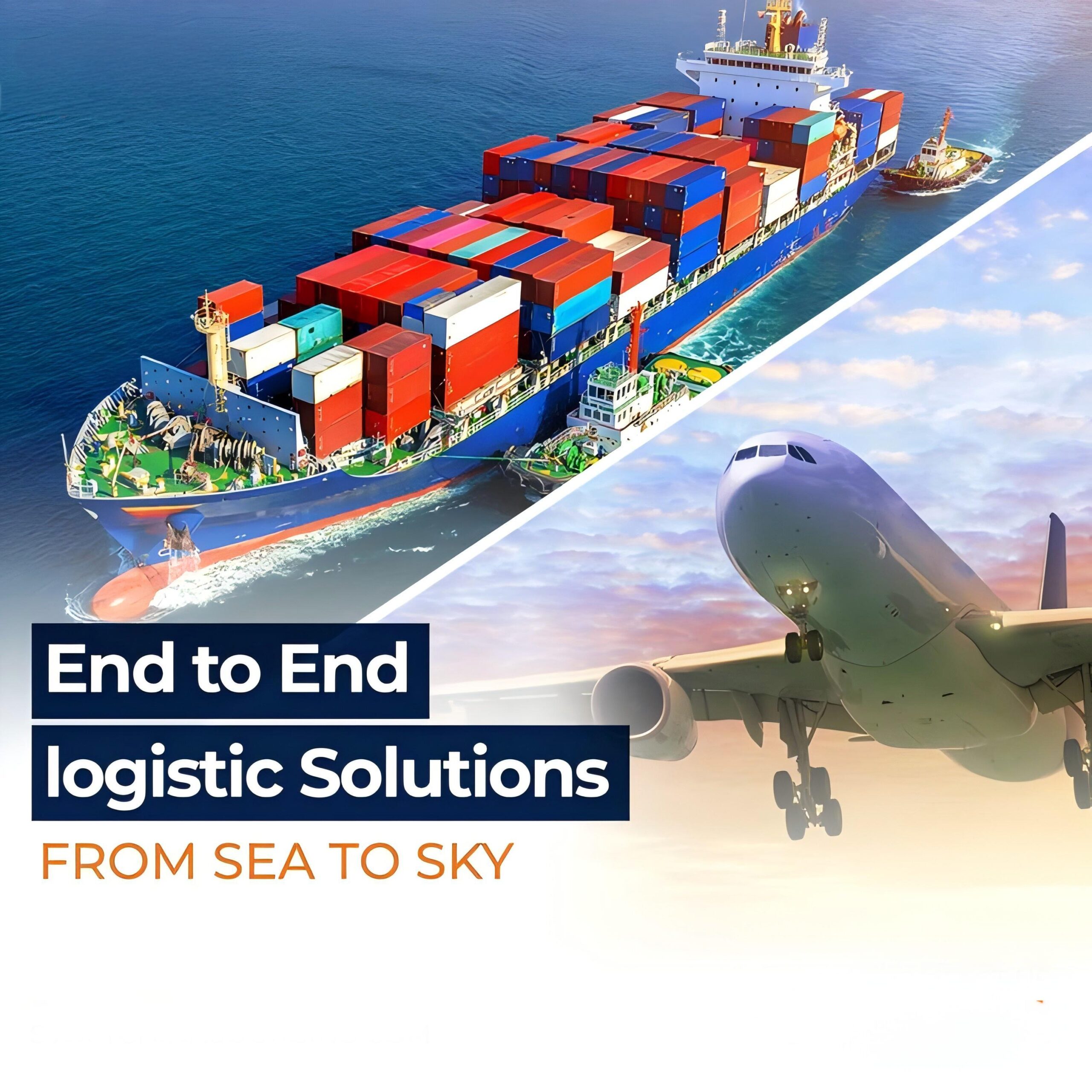
Understanding 20GP FCL Transit Time for Hardware Tools from China to Denmark
Shipping hardware tools from China to Denmark via Full Container Load (FCL) offers both efficiency and security. Indeed, a 20GP (20-foot General Purpose) container is ideal for medium-sized shipments, providing exclusive use of the container space. This approach minimizes handling, consequently reducing the risk of damage or delays compared to Less than Container Load (LCL) options.
Moreover, the transit time for these shipments is a critical consideration for businesses maintaining consistent inventory levels. It directly impacts production schedules and distribution planning. Therefore, a clear understanding of the logistics involved is paramount for importers aiming for reliable delivery.
What is a 20GP FCL Container?
A 20GP FCL container measures approximately 20 feet long, 8 feet wide, and 8 feet 6 inches high, offering about 33 cubic meters of capacity. Furthermore, choosing FCL means your goods are the sole occupants, ensuring greater control over packaging and loading. This dedicated space is particularly beneficial for delicate or high-value hardware tools.
Why Hardware Tools Require Specific Consideration
Hardware tools encompass a vast range of items, from hand tools and power tools to fasteners and construction accessories. Consequently, their varied shapes, weights, and potential for damage necessitate careful handling and secure stowage. Proper packaging within the 20GP FCL container is essential to prevent shifting during transit, safeguarding shipment integrity.
Key Factors Affecting Transit Time
Several elements collectively determine the actual transit time for your hardware tools from China to Denmark. These include the specific origin and destination ports, the chosen shipping carrier, and the service level selected. Additionally, customs clearance efficiency and unforeseen external factors also play significant roles in the overall delivery schedule.
Typical Shipping Routes and Ports for China to Denmark
The journey for your 20GP FCL hardware tools from China to Denmark generally involves established maritime routes. These routes connect major industrial hubs in China with key distribution centers in Denmark. Understanding these pathways is essential for anticipating arrival times and managing your supply chain effectively.
| Origin Port (China) | Destination Port (Denmark) | Route Type | Estimated Sea Transit (Days) |
|---|---|---|---|
| Shanghai | Aarhus | Direct | 28-32 |
| Ningbo | Copenhagen | Transshipment (via Hamburg) | 30-35 |
| Shenzhen | Fredericia | Transshipment (via Rotterdam) | 32-38 |
| Qingdao | Aarhus | Direct | 30-34 |
Major Chinese Ports for Export
Chinese exports frequently depart from prominent ports such as Shanghai, Ningbo, and Shenzhen. Shanghai, for instance, is the world’s busiest container port, offering a wide array of carrier services and frequent sailings. Ningbo and Shenzhen also provide robust infrastructure and competitive freight rates for international shipping.
Key Danish Ports for Import
Upon reaching Denmark, most FCL shipments are discharged at major ports like Aarhus, Copenhagen, or Fredericia. Aarhus is Denmark’s largest container port, serving as a primary gateway for goods entering the Scandinavian market. Copenhagen and Fredericia also offer strategic locations and efficient handling capabilities.
Direct vs. Transshipment Routes
While some carriers offer direct services, many routes involve transshipment through major European hubs like Hamburg or Rotterdam. Direct routes generally offer faster transit times but might come at a higher cost. Conversely, transshipment routes, though potentially longer, can sometimes offer more flexible scheduling or lower freight rates.
Factors Influencing Your 20GP FCL Transit Schedule
While average transit times provide a good baseline, several dynamic factors can significantly impact the actual delivery schedule of your 20GP FCL hardware tools. Awareness of these variables allows for better planning and contingency measures. Proactive management of these elements helps mitigate potential delays.
Understanding these influences is vital for setting realistic expectations and effectively communicating with stakeholders. Therefore, a comprehensive assessment of each factor is necessary when estimating your total sea freight transit time.
Carrier and Service Level Choices
Different shipping carriers offer varying service levels, which directly correlate with transit times and freight rates. Premium services typically prioritize speed and direct routes. Conversely, more economical options might involve longer transit due to transshipments. Therefore, selecting a carrier that balances cost and speed according to your business needs is crucial.
Seasonal Demand and Peak Seasons
Shipping volumes fluctuate throughout the year, with peak seasons like Chinese New Year, Golden Week, and the pre-holiday rush in Q3/Q4 leading to increased demand. During these periods, vessel space becomes tighter, and transit times can extend due to port congestion. Planning ahead is essential to avoid these predictable delays.
Customs Clearance Procedures
Efficient customs clearance is a bottleneck for international shipping. Delays can arise from incomplete documentation, incorrect declarations, or stringent inspections at both origin and destination. Ensuring all paperwork is accurate and submitted promptly is vital to prevent unnecessary hold-ups at the border.
Weather Conditions and Unforeseen Delays
Maritime shipping is susceptible to weather-related disruptions, including typhoons or heavy storms, which can cause vessels to reroute or delay their departure. Moreover, geopolitical events, port strikes, or unforeseen mechanical issues can also lead to significant schedule changes. Staying informed about potential disruptions is key.
Inland Transportation and Last-Mile Delivery
The journey does not end at the port of discharge. Efficient inland transportation from the Danish port to the final warehouse or distribution center is equally important. Road conditions, local traffic, and the availability of trucking services can all affect the overall door-to-door delivery schedule.
How Does 20GP FCL Sea Freight Compare to Other Shipping Options?
While 20GP FCL sea freight is a popular choice for shipping hardware tools, it is not the only option available. Comparing it against other modes like air freight and rail freight reveals distinct advantages and disadvantages. This comparison helps businesses select the most suitable method based on their specific requirements for speed, cost, and cargo type.
Understanding the trade-offs between these logistics solutions is fundamental for strategic supply chain planning. Consequently, an informed decision can lead to significant savings and improved delivery performance.
| Shipping Method | Cost Range (20GP Equivalent) | Transit Time (China to Denmark) | Best For | Limitations |
|---|---|---|---|---|
| 20GP FCL Sea Freight | $2,000-2,800 | 28-38 days | Large volume, non-urgent, cost-sensitive hardware tools | Slow transit; potential port congestion |
| LCL Sea Freight | $50-80/CBM | 30-45 days | Smaller shipments (under 15 CBM) | Cost-effective for low volume; longer transit, more handling |
| Air Freight | $8-15/kg | 5-7 days | Urgent, high-value, light hardware tools | High cost; weight/volume restrictions; carbon footprint |
| Rail Freight | $1.5-3/kg | 18-25 days | Medium urgency, larger cargo, landlocked destinations | Faster than sea, cheaper than air; limited routes; transshipment points |
Optimizing Costs and Speed: Alternative Shipping Strategies
Beyond standard FCL sea freight, several alternative strategies can help fine-tune your logistics for hardware tools. These approaches address specific challenges related to budget constraints, urgent delivery needs, or unique cargo characteristics. Implementing a hybrid solution or adjusting your shipping volume can significantly impact overall efficiency.
Therefore, a strategic blend of methods and careful planning can lead to substantial improvements in your supply chain. Consider these options to enhance both cost-effectiveness and delivery speed.
Hybrid Solutions: Sea-Air Combinations
For shipments that are too slow by sea but too expensive by air, a sea-air hybrid solution presents a viable compromise. This involves shipping goods by sea to a major transit hub (e.g., Dubai, Singapore) and then transferring them to air freight for the final leg to Denmark. This method typically reduces transit time by 10-15 days compared to pure sea freight, at a lower cost than pure air freight.
Consolidation Strategies (FCL vs. LCL Decision)
When shipping volumes fluctuate, deciding between FCL and LCL is critical. If your cargo is consistently below 15-20 CBM, LCL might be more cost-effective as you only pay for the space used. However, if your volume approaches or exceeds 20 CBM, opting for a 20GP FCL container often provides better per-unit cost efficiency and reduced handling risks. This is especially true for delicate hardware tools.
Expedited Services for Urgent Shipments
For truly time-sensitive hardware tools, exploring expedited FCL services or even a full door-to-door express service might be necessary. These premium options prioritize container movement and customs clearance, significantly cutting down transit times. While more expensive, they offer peace of mind for critical deliveries.
Which Option Should You Choose? A Decision Framework
Choosing the right shipping method depends entirely on your specific priorities. If budget is your primary concern, standard 20GP FCL sea freight is typically the most economical option. Conversely, if speed is paramount, air freight or a sea-air hybrid should be considered. For bulky but less time-sensitive hardware tools, FCL remains the most efficient. Cargo type also dictates suitability; fragile items often benefit from the reduced handling of FCL. Finally, for volumes consistently above 15 CBM, FCL generally offers better value than LCL.
Real-World Shipments: Case Studies of Hardware Tools to Denmark
Examining real-world scenarios provides practical insights into the complexities and outcomes of shipping hardware tools from China to Denmark. These case studies highlight typical transit times, costs, and common challenges faced by importers. They also demonstrate how strategic choices can optimize the logistics process.
Based on current market rates and typical logistics operations as of early 2025, these examples offer a realistic perspective. Note: Freight rates are subject to change based on fuel costs, carrier capacity, and seasonal demand. Contact us for a current quote tailored to your specific shipment.
Case Study 1: Standard 20GP FCL for Bulk Hand Tools
| Details | |
|---|---|
| Route | Shanghai, China -> Aarhus, Denmark |
| Cargo | Assorted hand tools (wrenches, pliers, screwdrivers), 28 CBM, 12,000 kg |
| Container | 20GP |
| Shipping Details | |
| – Carrier/Service | COSCO |
| – Port of Loading | Shanghai |
| – Port of Discharge | Aarhus |
| – Route Type | Direct |
| Cost Breakdown | |
| – Ocean Freight | $2,350 |
| – Origin Charges (THC, documentation) | $380 |
| – Destination Charges | $450 |
| – Customs & Duties (estimated) | $850 |
| – Total Landed Cost | $4,030 |
| Timeline | |
| – Booking to Loading | 5 days |
| – Sea Transit | 30 days |
| – Customs Clearance | 3 days |
| – Total Door-to-Door | 38 days |
| Key Insight | Efficient direct route with minimal delays, ideal for cost-effective bulk delivery. |
Case Study 2: Time-Sensitive Power Tools with Transshipment
| Details | |
|---|---|
| Route | Ningbo, China -> Copenhagen, Denmark |
| Cargo | Cordless power drills & accessories, 25 CBM, 10,500 kg |
| Container | 20GP |
| Shipping Details | |
| – Carrier/Service | Maersk |
| – Port of Loading | Ningbo |
| – Port of Discharge | Copenhagen |
| – Route Type | Transshipment via Hamburg |
| Cost Breakdown | |
| – Ocean Freight | $2,200 |
| – Origin Charges (THC, documentation) | $360 |
| – Destination Charges | $420 |
| – Customs & Duties (estimated) | $780 |
| – Total Landed Cost | $3,760 |
| Timeline | |
| – Booking to Loading | 7 days |
| – Sea Transit | 33 days |
| – Customs Clearance | 4 days |
| – Total Door-to-Door | 44 days |
| Key Insight | Transshipment added a few days but offered a competitive rate during a busy period. |
Case Study 3: Navigating Peak Season for Specialized Hardware Components
| Details | |
|---|---|
| Route | Shenzhen, China -> Fredericia, Denmark |
| Cargo | Precision engineering hardware components, 30 CBM, 14,000 kg |
| Container | 20GP |
| Shipping Details | |
| – Carrier/Service | MSC |
| – Port of Loading | Shenzhen |
| – Port of Discharge | Fredericia |
| – Route Type | Direct (expedited service) |
| Cost Breakdown | |
| – Ocean Freight | $2,650 |
| – Origin Charges (THC, documentation) | $410 |
| – Destination Charges | $480 |
| – Customs & Duties (estimated) | $920 |
| – Total Landed Cost | $4,460 |
| Timeline | |
| – Booking to Loading | 4 days |
| – Sea Transit | 29 days |
| – Customs Clearance | 3 days |
| – Total Door-to-Door | 36 days |
| Key Insight | Expedited service during Q4 peak season ensured timely delivery, albeit at a slightly higher freight rate. |
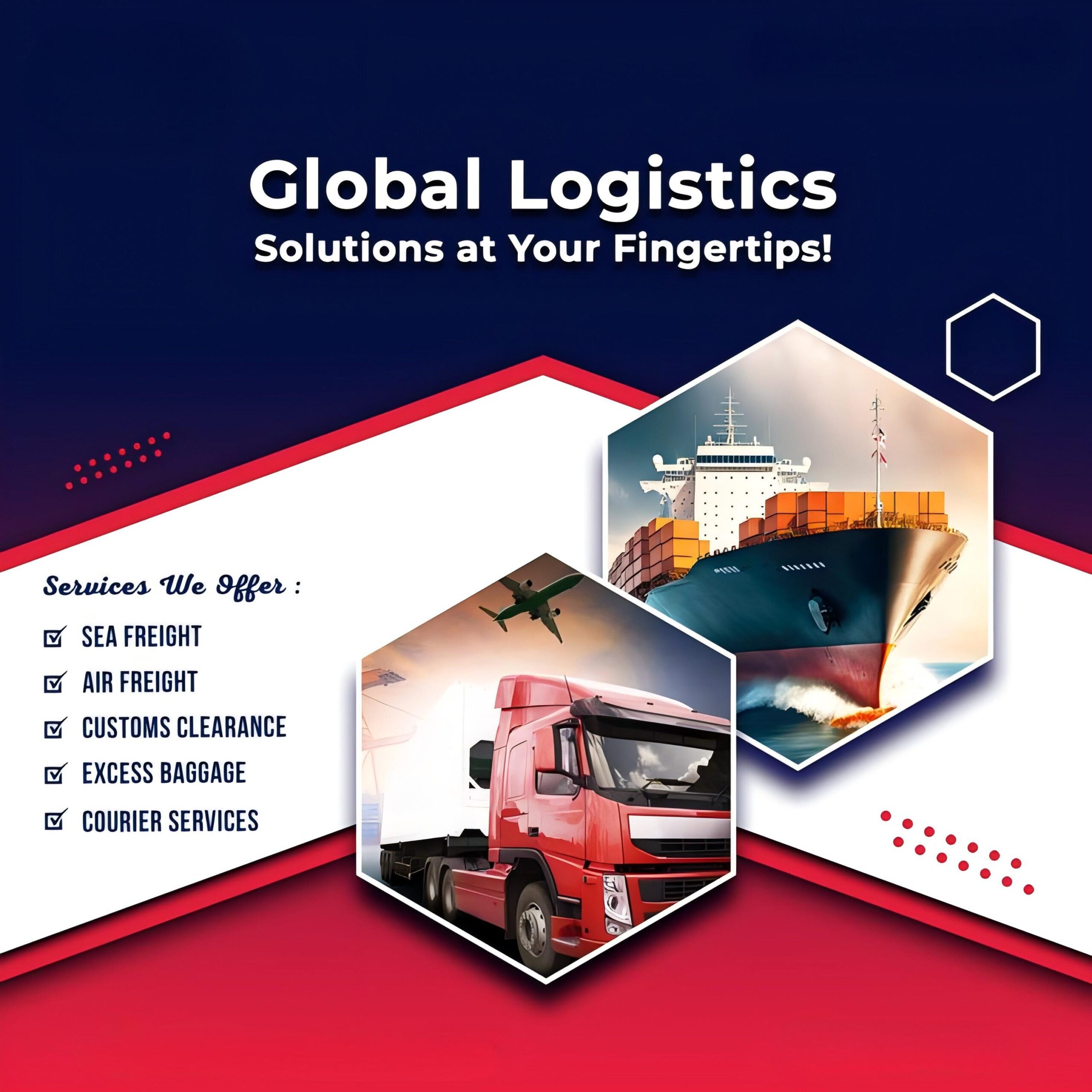
Customs Clearance and Documentation for Importing Hardware Tools into Denmark
Successfully importing hardware tools into Denmark requires meticulous attention to customs regulations and documentation. Proper preparation can significantly expedite the clearance process and prevent costly delays. Therefore, understanding the specific requirements is non-negotiable for smooth international trade.
Engaging an experienced customs brokerage service can streamline this complex aspect of your supply chain. This expertise ensures compliance and minimizes potential issues at the border.
Essential Documents for Danish Imports
Importers must prepare several key documents for customs clearance. These typically include the Commercial Invoice, Packing List, Bill of Lading, and a Certificate of Origin. Furthermore, depending on the specific type of hardware tools, additional licenses or certifications might be required, especially for electrical or specialized equipment.
Danish Import Regulations and Duties
Denmark, as an EU member state, adheres to the harmonized customs regulations of the European Union. Hardware tools are generally subject to import duties and VAT (Value Added Tax). The specific duty rates depend on the Harmonized System (HS) code of each item. It is crucial to correctly classify your goods to ensure accurate duty calculations and compliance.
The Role of a Professional Customs Broker
Navigating the intricacies of international customs can be challenging for businesses. A professional customs broker acts as an intermediary, handling all necessary declarations, duty payments, and communication with customs authorities. Their expertise helps to avoid errors, ensure compliance, and expedite the release of your 20GP FCL shipment.
Navigating Logistics Trends and Market Conditions
The global logistics landscape is constantly evolving, with various trends and market conditions impacting shipping operations. Staying informed about these changes is vital for anyone managing the supply chain for hardware tools from China to Denmark. Understanding these dynamics helps in forecasting costs and anticipating potential disruptions.
As of Q1 2025, freight rates from China to Europe have seen some stabilization after the significant volatility of the past few years, including disruptions from the Red Sea situation. However, capacity management and port congestion remain ongoing concerns.
Impact of Global Events on Transit Times and Costs
Geopolitical events, such as the Red Sea disruptions, can force vessels to reroute, adding thousands of miles and weeks to transit times. This consequently leads to increased fuel costs and higher freight rates. Moreover, port congestion at major hubs can also cause significant delays, impacting the overall delivery schedule.
Fluctuations in Freight Rates
Freight rates for 20GP FCL shipments are highly dynamic, influenced by factors such as fuel prices, vessel capacity, global demand, and carrier strategies. Market data suggests rates typically increase 15-25% during August-October peak season due to holiday shipping rushes. Therefore, securing contracts or booking well in advance can help mitigate price volatility.
Technological Advancements in Supply Chain Management
Technology plays an increasingly crucial role in optimizing logistics. Real-time tracking, predictive analytics, and digital documentation platforms enhance visibility and efficiency throughout the shipping process. These tools allow for better monitoring of your hardware tools’ journey, enabling quicker responses to any deviations.
Conclusion: Ensuring Smooth 20GP FCL Transit for Your Hardware Tools
In conclusion, managing the 20GP FCL transit time for hardware tools from China to Denmark requires a thorough understanding of various factors. From selecting optimal routes and carriers to navigating customs and market dynamics, each element plays a critical role in timely and cost-effective delivery. Proactive planning and informed decision-making are paramount.
By leveraging expert logistics partners and staying abreast of industry trends, businesses can significantly enhance the efficiency and predictability of their supply chains. Ultimately, this ensures your hardware tools reach their Danish destination reliably, contributing to your operational success.
Start Your Shipment
Ready to streamline your hardware tools import from China to Denmark? Get a competitive quote for your 20GP FCL shipment today and experience reliable, efficient logistics. Contact Top China Freight to discuss your specific requirements and ensure a smooth transit time for your valuable cargo.
Request Quote