
20GP FCL Space Availability for Electronics from China to France
Navigating the complexities of international shipping, especially for sensitive goods like electronics, requires careful planning. Securing reliable 20GP FCL space availability for electronics from China to France is crucial for maintaining your supply chain efficiency. This guide explores current market conditions, optimal strategies, and key considerations to ensure your cargo reaches its destination smoothly.
✦
What is 20GP FCL and Why it Matters for Electronics?
A 20GP (20-foot General Purpose) container is a standard shipping unit, approximately 20 feet long, 8 feet wide, and 8.5 feet high. It offers a capacity of around 33 CBM, making it ideal for moderate volumes of cargo. Furthermore, FCL (Full Container Load) means your goods occupy the entire container, providing exclusive use.
Choosing FCL for electronics offers significant advantages for secure transport. Firstly, it minimizes handling, reducing the risk of damage or theft that can occur with LCL (Less than Container Load) shipments. Secondly, it allows for better control over packaging and loading, ensuring your sensitive electronics are protected throughout the journey. Consider sea freight for these large, dedicated shipments.
Current Market Outlook: Securing 20GP FCL Space to France
As of early 2025, the market for 20GP FCL space from China to France is experiencing a period of stabilization after recent global disruptions. However, factors like geopolitical events and seasonal demand continue to influence availability and freight rates. Consequently, proactive booking and strategic planning remain essential for electronics importers.
Indeed, the Suez Canal rerouting and Red Sea disruptions in late 2024 significantly impacted transit times and pushed up shipping costs. While rates have somewhat adjusted, they remain sensitive to capacity management and fuel surcharges. Moreover, understanding these logistics trends is vital for accurate budgeting and delivery schedule estimations. Always seek current quotes to reflect the dynamic market.
Key Factors Influencing Your Shipping Costs and Transit Time
Several critical elements dictate the overall cost and speed of your 20GP FCL shipment. Firstly, carrier choice plays a significant role; major shipping lines offer varying service levels and pricing. Secondly, port congestion at both origin (e.g., Shanghai, Ningbo) and destination (e.g., Le Havre, Marseille) can cause unexpected delays.
Furthermore, seasonal peaks, particularly before major holidays like Chinese New Year or during Q4 for holiday shopping, directly impact capacity and increase freight rates. Additionally, the specific origin and destination within China and France, respectively, influence inland transportation costs and overall transit time. Therefore, planning ahead for these periods is crucial for efficient supply chain management.
How Does 20GP FCL Compare to Other Shipping Options?
When shipping electronics from China to France, 20GP FCL sea freight is a popular choice, yet it’s essential to compare it with alternative logistics solutions. Each method offers distinct advantages regarding speed, cost, and suitability for different cargo types. Understanding these trade-offs helps in making informed decisions for your import/export needs.
For instance, while sea freight is generally the most cost-effective for large volumes, its transit time is considerably longer. Conversely, air freight offers speed but at a premium price. Below is a comprehensive comparison to guide your choice, considering typical rates as of early 2025.
| Shipping Method | Cost Range (China-France) | Transit Time | Best For | Limitations |
|---|---|---|---|---|
| 20GP FCL Sea Freight | $1,800-2,500 (per container) | 30-38 days | Large volumes, cost-efficiency, secure transport for electronics | Long transit times, port congestion risk |
| LCL Sea Freight | $50-80/CBM | 35-45 days | Smaller volumes (under 15 CBM), budget-friendly | More handling, longer transit, potential delays |
| Air Freight | $5-10/kg (for general cargo) | 5-7 days | Urgent, high-value, small-volume electronics | Highest cost, weight/volume restrictions |
| Rail Freight | $4,000-6,000 (per 40HQ equivalent) | 18-25 days | Medium urgency, balanced cost/speed, certain regions | Less flexibility than sea/air, limited routes |
Alternative Strategies for Electronics Shipping
For smaller volumes, LCL (Less than Container Load) sea freight might be more economical than FCL, especially if your electronics don’t fill a 20GP container. However, LCL involves more handling and potentially longer transit times due to consolidation. For urgent shipments, air freight is unmatched in speed, delivering in days rather than weeks, albeit at a significantly higher cost.
Alternatively, rail freight offers a middle ground, faster than sea freight and more affordable than air freight, with transit times typically around 18-25 days from China to Europe. This hybrid solution is gaining popularity for its balance of speed and cost-efficiency. Consider a sea-air combination for specific time-sensitive components that can then join a larger sea shipment.
Which Option Should You Choose?
Your decision framework should primarily consider budget, speed, and cargo type. If budget is your top priority and you have sufficient volume, 20GP FCL sea freight is usually the most cost-effective solution for electronics. However, if speed is paramount, air freight is the clear winner, despite the higher expense.
For medium urgency and cost-consciousness, rail freight presents a viable option. Moreover, for shipments under 15 CBM, LCL might be more economical than a full container. Always evaluate the trade-offs between shipping costs, delivery schedule, and the specific requirements of your electronics products.
Optimizing Your Electronics Shipments for Secure Transport
Proper preparation is paramount to ensure your electronics arrive safely. Firstly, invest in high-quality packaging materials designed for sensitive items, such as anti-static bags, foam inserts, and sturdy cartons. This minimizes damage from vibrations and impacts during transit, enhancing cargo handling.
Secondly, accurate documentation, including commercial invoices and packing lists, is essential for smooth customs clearance. Furthermore, consider comprehensive cargo insurance to protect against unforeseen events, offering peace of mind for your valuable goods. These steps are crucial for managing risks and ensuring successful delivery.
Real-World Case Studies: Electronics from China to France
Understanding real-world scenarios helps in grasping the practicalities of shipping electronics. These case studies highlight common challenges and effective solutions in securing 20GP FCL space availability for electronics from China to France, offering insights into typical transit times and shipping costs.
Case Study 1: Consumer Electronics Launch
A tech startup needed to ship a new line of consumer electronics for a product launch in France, requiring reliable delivery and cost-efficiency. They opted for a direct FCL service to minimize handling and transit risks, ensuring product integrity.
| Detail | Description |
|---|---|
| Route | Shenzhen, China Le Havre, France |
| Cargo | Smart home devices, 28 CBM, 8,500 kg |
| Container | 20GP FCL |
| Carrier/Service | Major carrier (e.g., COSCO), Direct Service |
| Port of Loading | Yantian, Shenzhen |
| Port of Discharge | Le Havre |
| Route Type | Direct |
| Ocean Freight | $2,100 |
| Origin Charges | $350 |
| Destination Charges | $400 |
| Customs & Duties (est.) | $800 |
| Total Landed Cost | $3,650 |
| Booking to Loading | 5 days |
| Sea Transit | 32 days |
| Customs Clearance | 3 days |
| Total Door-to-Door | 40 days |
| Key Insight | Securing direct service minimized transit risk for sensitive electronics, crucial for product launch timing. Based on Q3 2024 market rates. |

Case Study 2: Industrial Components for Assembly
An automotive supplier in France required a steady flow of electronic components from China for their assembly line. Their priority was consistent delivery schedules and competitive freight rates, making FCL a reliable choice despite some market volatility.
| Detail | Description |
|---|---|
| Route | Ningbo, China Marseille, France |
| Cargo | Automotive electronic modules, 30 CBM, 9,000 kg |
| Container | 20GP FCL |
| Carrier/Service | Major carrier (e.g., MSC), Transshipment Service |
| Port of Loading | Ningbo |
| Port of Discharge | Marseille |
| Route Type | Transshipment via Singapore |
| Ocean Freight | $1,950 |
| Origin Charges | $300 |
| Destination Charges | $380 |
| Customs & Duties (est.) | $750 |
| Total Landed Cost | $3,380 |
| Booking to Loading | 7 days |
| Sea Transit | 36 days |
| Customs Clearance | 4 days |
| Total Door-to-Door | 47 days |
| Key Insight | Opting for transshipment offered cost savings, albeit with slightly longer transit. Careful planning mitigated delay risks for the assembly line. Typical rates as of early 2025. |
Case Study 3: Large-Scale IT Equipment Rollout
A large corporation undertook an IT infrastructure upgrade across its French offices, requiring multiple 20GP containers of servers and networking equipment. The challenge was coordinating multiple shipments while managing costs effectively during a peak season.
| Detail | Description |
|---|---|
| Route | Shanghai, China Fos-sur-Mer, France |
| Cargo | Servers and networking equipment, 31 CBM, 9,500 kg |
| Container | 20GP FCL |
| Carrier/Service | Major carrier (e.g., Maersk), Standard Service |
| Port of Loading | Shanghai |
| Port of Discharge | Fos-sur-Mer |
| Route Type | Direct |
| Ocean Freight | $2,400 |
| Origin Charges | $400 |
| Destination Charges | $450 |
| Customs & Duties (est.) | $900 |
| Total Landed Cost | $4,150 |
| Booking to Loading | 6 days |
| Sea Transit | 34 days |
| Customs Clearance | 3 days |
| Total Door-to-Door | 43 days |
| Key Insight | Booking well in advance during Q4 peak season was critical to secure space and mitigate rate hikes. Effective coordination across multiple containers ensured timely delivery. Based on Q4 2024 peak season rates. |
Navigating Customs and Import Regulations in France
Importing electronics into France requires strict adherence to EU customs regulations. Firstly, ensure all necessary documentation, such as commercial invoices, packing lists, and certificates of origin, are accurate and complete. Incorrect paperwork can lead to significant delays and additional costs.
Furthermore, electronics are subject to specific import duties and VAT (Value Added Tax) upon arrival. Additionally, compliance with EU directives, such as WEEE (Waste Electrical and Electronic Equipment) and RoHS (Restriction of Hazardous Substances), is mandatory. Engaging a professional customs brokerage service can streamline this complex process and prevent compliance issues.
Partnering for Seamless Door-to-Door Delivery
Choosing the right freight forwarder is crucial for successful electronics shipping. Look for partners with extensive experience in the China-Europe lane and a strong understanding of electronics cargo handling. Their network and expertise can significantly impact the efficiency and security of your supply chain.
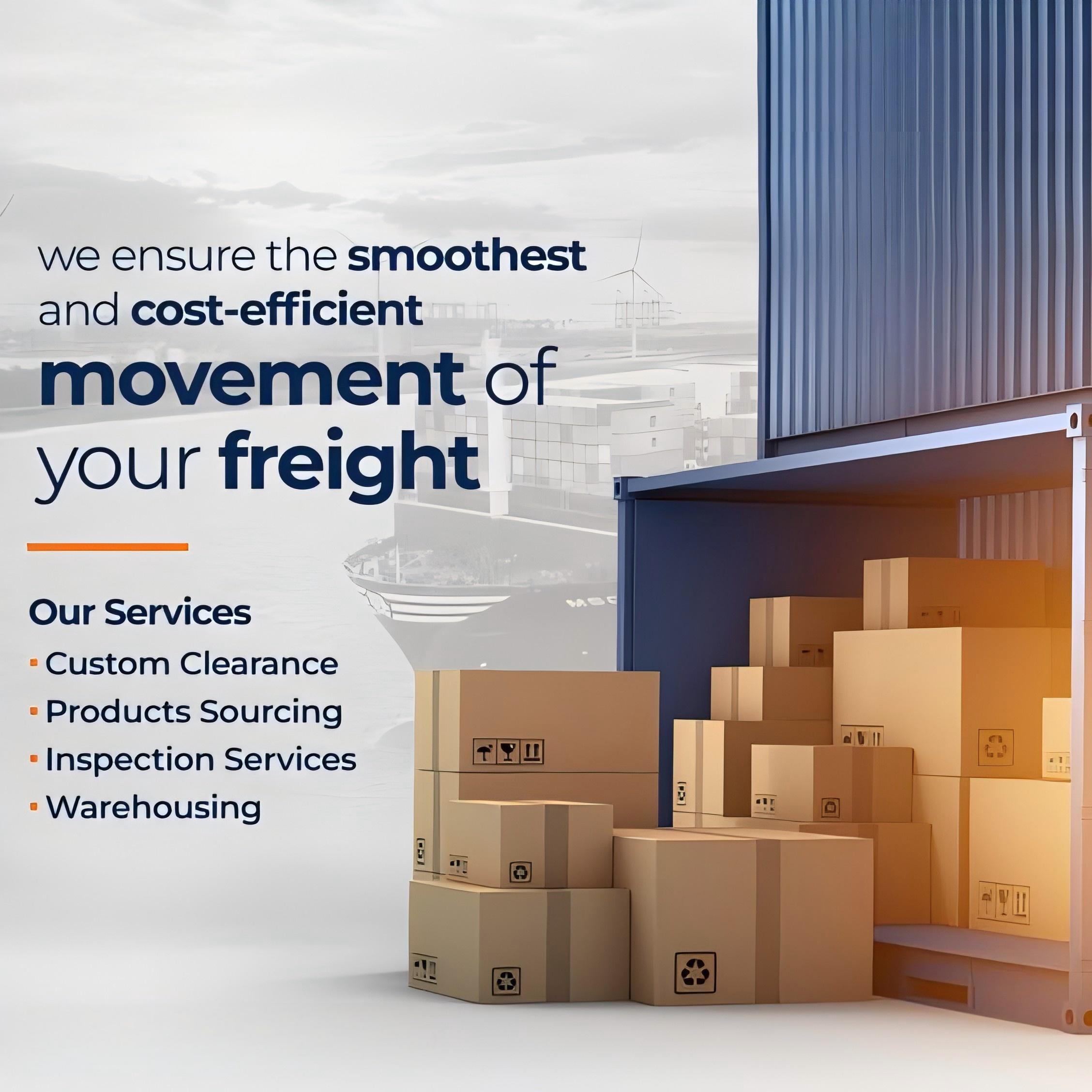
A reliable partner offers end-to-end solutions, including origin services, ocean freight, customs clearance, and final mile delivery. This comprehensive approach ensures a smooth door-to-door process. Ultimately, clear communication and proactive problem-solving are hallmarks of an excellent logistics provider for your 20GP FCL shipments.
Conclusion: Ensuring Smooth Electronics Shipments to France
Securing efficient 20GP FCL space availability for electronics from China to France requires a comprehensive understanding of market dynamics, shipping options, and regulatory requirements. By carefully planning, optimizing packaging, and partnering with an experienced freight forwarder, businesses can navigate the complexities of international logistics effectively.
Ultimately, a well-executed shipping strategy minimizes risks, controls shipping costs, and ensures timely delivery of your sensitive electronics. Proactive engagement with logistics experts is key to maintaining a robust and reliable supply chain in a constantly evolving global market.