
20GP FCL Shipping from China to Poland: A Complete Logistics Guide
Shipping goods across continents requires precision, reliability, and deep industry knowledge. When businesses look for 20GP FCL shipping from China to Poland, they often turn to experts like Top China Freight for seamless logistics management. This comprehensive guide explores everything from container costs to transit times, ensuring your cargo moves efficiently through the global supply chain. By understanding the nuances of the Poland-China trade lane, you can significantly reduce overhead and improve delivery schedules.
What is 20GP FCL Shipping from China to Poland?
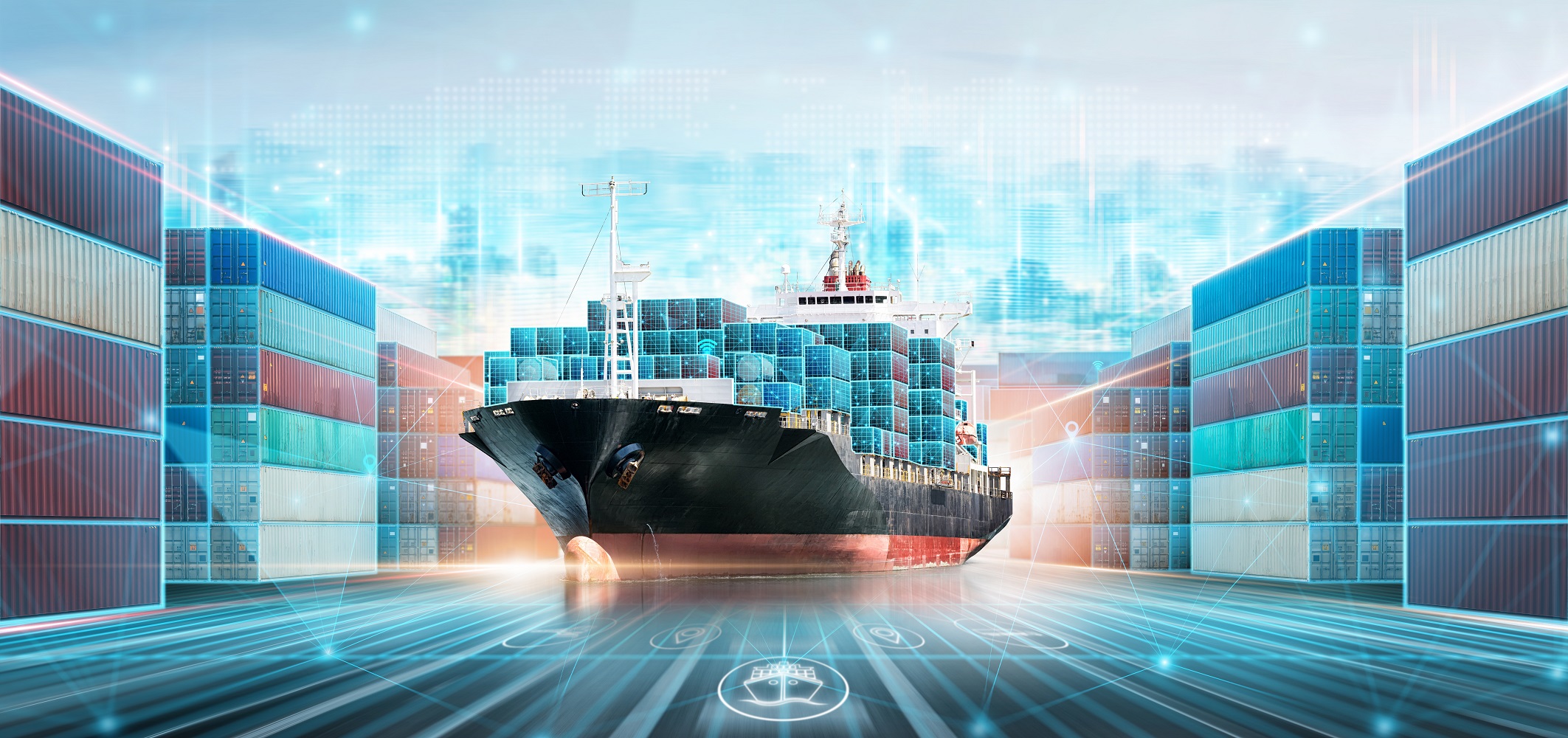
A 20GP container, or General Purpose container, serves as the standard unit for international ocean trade. It provides approximately 33 cubic meters of space, which is ideal for dense or heavy cargo. FCL, or Full Container Load, means you have exclusive use of the entire container for your goods.
Furthermore, choosing FCL ensures that your cargo remains undisturbed throughout the journey from the factory to the warehouse. Consequently, this method reduces the risk of damage or loss compared to shared shipping options. Polish importers frequently utilize this size for machinery, electronics, and textiles.
Moreover, the 20GP container is particularly cost-effective for shipments that are too large for LCL but do not require the massive volume of a 40HQ. Therefore, it remains a popular choice for small to medium-sized enterprises operating in the European market.
Key Benefits of Choosing 20GP FCL for Your Cargo
Security is perhaps the most significant advantage of utilizing sea freight in a full container. Because the container is sealed at the origin, the risk of theft or tampering is greatly minimized. Additionally, the lack of handling between ports ensures that fragile items remain safe.
Speed of processing is another critical factor to consider. FCL shipments generally bypass the consolidation and deconsolidation phases required for LCL cargo. As a result, your goods often reach the Port of Gdansk or Gdynia several days faster than shared loads.
Financial predictability also plays a vital role in supply chain management. FCL rates are typically quoted per container rather than per cubic meter. This structure allows businesses to calculate their landed costs with greater accuracy and less volatility.
Major Shipping Routes and Polish Ports
Most shipments departing from China originate from massive hubs like Shanghai, Ningbo, or Shenzhen. These ports offer frequent departures and competitive rates for those sending goods to Europe. Choosing the right departure port can significantly impact your inland transportation costs within China.
Gdansk and Gdynia serve as the primary gateways for maritime trade in Poland. The Deepwater Container Terminal in Gdansk is capable of handling the largest vessels in the world. Meanwhile, Gdynia offers specialized services for specific types of industrial equipment and bulk goods.
In addition to sea routes, some importers consider rail connections via the New Silk Road. However, for those prioritizing cost over extreme speed, the sea route remains the dominant choice. Indeed, the maritime path around the Cape of Good Hope or through the Suez Canal defines the modern logistics landscape.
Cost Breakdown: What Influences Freight Rates?
Freight rates are never static and fluctuate based on fuel surcharges, seasonal demand, and carrier capacity. For example, prices often spike during the months leading up to the Golden Week holiday in China. Consequently, booking early is essential for maintaining your budget.
Local charges at both the origin and destination also contribute to the total expense. These include Terminal Handling Charges (THC), documentation fees, and door to door delivery costs. Understanding these line items prevents unexpected financial surprises during the clearance process.
Market data suggests that as of early 2025, rates have stabilized after previous global disruptions. Nevertheless, importers should always account for potential port congestion or equipment shortages. Typical 20GP rates currently fall within a manageable range for most industrial sectors.
| Route Component | Estimated Cost (USD) | Frequency | Notes |
|---|---|---|---|
| Ocean Freight (20GP) | $1,800 – $2,500 | Weekly | Subject to peak season |
| Origin Charges | $300 – $500 | Per Shipment | Includes THC and docs |
| Polish Port Fees | $400 – $600 | Per Container | Gdansk/Gdynia rates |
| Inland Delivery | $200 – $800 | Per Trip | Depends on distance |
Transit Times: How Long Does It Take?
The journey from China to Poland by sea typically spans between 30 and 45 days. This duration depends heavily on whether the vessel sails directly or includes transshipment stops in ports like Singapore. Direct services are faster but often command a higher price point.
Weather conditions and seasonal congestion can also add several days to the schedule. For instance, winter storms in the North Sea might delay arrival at Polish terminals. Therefore, it is wise to include a buffer of at least one week in your production planning.
In contrast, rail options can cut this time in half, though at a much higher cost. Most businesses find that the 35-day average for sea freight offers the best balance of speed and economy. Planning ahead ensures that your inventory levels remain consistent despite the long transit.
How Does 20GP FCL Compare to Other Shipping Options?
When evaluating 20GP FCL shipping from China to Poland, it is vital to look at alternatives like rail freight or LCL. Each method offers unique advantages depending on the volume and urgency of your cargo. For example, LCL is better for shipments under 15 cubic meters.
Rail freight serves as a middle ground between sea and air. While it is faster than the ocean route, it usually costs 50% to 100% more per container. Consequently, it is reserved for time-sensitive electronics or seasonal fashion items that cannot wait six weeks.
Air freight remains the fastest but most expensive option available. For a standard 20GP volume, air transport would be prohibitively expensive for most commodities. Thus, sea freight remains the backbone of the Poland-China trade relationship.
| Shipping Method | Cost Range | Transit Time | Best For |
|---|---|---|---|
| Sea FCL (20GP) | Low ($2k-$3k) | 30-45 Days | Bulk/Heavy Goods |
| Rail Freight | Medium ($5k-$8k) | 15-22 Days | Urgent Cargo |
| LCL Sea | Variable | 35-50 Days | Small Batches |
| Air Freight | Very High | 5-8 Days | High-Value/Emergency |
Which Option Should You Choose for Poland Shipments?
Budget priority dictates that sea freight should be your primary choice. If your shipment exceeds 15 cubic meters, the 20GP FCL becomes more economical than LCL. Moreover, the flat rate per container simplifies your accounting and logistics planning.
Speed priority might lead you toward rail or hybrid sea-air solutions. However, most industrial components and consumer goods are perfectly suited for the 35-day maritime window. Indeed, the cost savings of sea freight often outweigh the benefits of arriving two weeks earlier.
Cargo type considerations are also paramount. Heavy machinery often requires the structural integrity of a 20GP container. Without a doubt, consulting with a professional freight forwarder will help you determine the most efficient path for your specific inventory.
Customs Documentation and Requirements for Poland
Navigating Polish customs requires meticulous attention to detail and accurate paperwork. You must provide a commercial invoice, packing list, and a Bill of Lading to the authorities. Additionally, an EORI number is mandatory for any business importing goods into the European Union.
Using a professional customs brokerage service can prevent costly delays and penalties. They ensure that your HS codes are correctly classified, which determines the duty rates you will pay. Furthermore, they handle the complex VAT deferment schemes available in Poland.
Import duties from China vary significantly depending on the product category. For instance, some electronics may have zero duty, while textiles could face higher rates. Consequently, verifying these costs before the ship leaves China is a critical step in your financial planning.
Realistic Case Studies for Poland Shipments
Case Study 1: Electronics from Shenzhen to Gdansk. Cargo: LED Panels, 28 CBM, 12,000 kg. Container: 20GP. Ocean Freight: $2,250. Origin Charges: $450. Destination Charges: $550. Customs: $1,200 (Estimated). Total Landed Cost: $4,450. Timeline: 34 days. Key Insight: Early booking during the off-peak season saved the client 15% on freight costs.
Case Study 2: Machinery from Ningbo to Gdynia. Cargo: Industrial Lathes, 25 CBM, 18,000 kg. Container: 20GP. Ocean Freight: $2,100. Origin Charges: $400. Destination Charges: $600. Customs: $2,100 (Estimated). Total Landed Cost: $5,200. Timeline: 32 days. Key Insight: Direct sailing avoided transshipment delays in Hamburg, ensuring the factory stayed on schedule.
Final Thoughts on Poland-China Logistics
Successfully managing 20GP FCL shipping from China to Poland requires a blend of strategic planning and market intelligence. By selecting the right container size and port of entry, you can maintain a competitive edge in the European market. Moreover, staying informed about current freight trends allows you to navigate price fluctuations with confidence.
Remember that while cost is important, the reliability of your logistics partner is the true key to long-term success. Whether you are importing machinery or consumer goods, the 20GP FCL remains one of the most versatile tools in global trade. Start planning your next shipment today to ensure your supply chain remains robust and efficient.
Ready to streamline your logistics?
Streamline your 20GP FCL shipping from China to Poland with expert support. Contact our team today to receive a customized quote and optimize your international logistics. Send Inquiry link: Visit https://Top China Freight.net/ for a free consultation.
Request Quote