
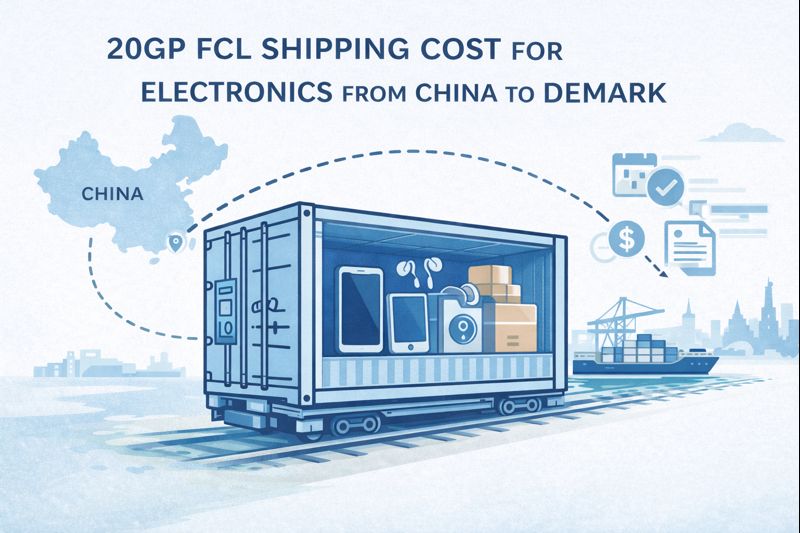
As European demand for reliable electronics supply grows, the 20GP FCL shipping cost for electronics from China to Denmark has become a decisive factor for importers balancing margins, lead times, and compliance. However, pricing a 20GP container to Northern Europe involves more than ocean freight, since port selection, fuel surcharges, and EU customs rules all influence final cost. Therefore, this guide breaks down real cost drivers and planning tactics, beginning with end-to-end coordination supported by Top China Freight.

Why is 20GP FCL widely used for electronics shipments?
Electronics shipments often combine moderate weight with high value, making a 20GP container a practical choice for controlled loads. Compared with larger containers, a 20GP offers easier weight compliance and better stability for sensitive equipment.
Moreover, electronics importers frequently ship consistent volumes on predictable cycles. As a result, FCL reduces handling risk and shortens consolidation time, which supports tighter delivery schedules. Consequently, even when LCL appears cheaper on paper, 20GP FCL often delivers lower risk-adjusted cost.
What factors determine the 20GP FCL shipping cost?
The total shipping cost reflects several interconnected elements rather than a single rate. Therefore, understanding each component helps importers evaluate quotations accurately.
Ocean freight rates to Northern Europe
Base ocean freight varies by origin port, carrier, and sailing frequency. Ports such as Shanghai, Ningbo, and Shenzhen may quote different rates due to vessel allocation and route balance.
Bunker and fuel surcharges
Fuel price movements affect freight rates through surcharges. Consequently, even stable base rates can fluctuate month to month.
Destination port selection in Denmark
Aarhus and Copenhagen differ in terminal handling charges and feeder connections. Therefore, port choice directly influences landed cost and transit time.
Can electronics shipping costs be optimized without changing volume?
Even when shipment size stays constant, cost optimization remains possible. Importers frequently reduce spend through smarter planning and routing.
Common strategies include:
- Selecting off-peak sailings when capacity is available
- Aligning production schedules with vessel cut-offs
- Working with experienced sea freight services to secure stable space and rates
Because European freight rates fluctuate, proactive planning consistently outperforms reactive booking.
What is the typical 20GP FCL shipping cost range?
Although rates fluctuate with market conditions, reference ranges help support budgeting and supplier negotiations. The table below illustrates typical pricing logic rather than fixed offers.
| Route Example | Container Type | Transit Time | Reference Cost Range |
|---|---|---|---|
| East China → Aarhus | 20GP FCL | 32–38 days | USD 2,300 – 3,600 |
| South China → Copenhagen | 20GP FCL | 34–40 days | USD 2,500 – 3,900 |
These figures usually cover ocean freight only. Therefore, customs duties, VAT, inland delivery, and insurance must be added for a full landed-cost view.
Case Studies
Consumer Electronics Shipment to Denmark
Origin: Shanghai, China
Destination: Aarhus, Denmark
Cargo: Consumer electronics accessories, 20GP FCL
Cargo Value: USD 150,000
Transit Time: 35 days
Ocean Freight Cost: USD 3,100
By choosing Aarhus instead of a busier hub port, the importer reduced feeder delays and inland handling costs. Consequently, total landed cost dropped despite similar base ocean freight.
Industrial Electronics to Copenhagen
Origin: Shenzhen, China
Destination: Copenhagen, Denmark
Cargo: Industrial control units, 20GP FCL
Cargo Value: USD 220,000
Transit Time: 38 days
Ocean Freight Cost: USD 3,700
By shipping outside the peak season and pre-booking feeder connections, the importer avoided congestion-related delays. As a result, total logistics cost stayed within budget despite longer sailing distance.
How do inland delivery and VAT shape the final landed cost?
While ocean freight anchors the quote, inland delivery and VAT significantly influence the 20GP FCL shipping cost for electronics from China to Denmark. Therefore, importers who ignore post-port costs often underestimate their real exposure.
After arrival, containers typically move by truck or short rail to regional warehouses. Inland rates vary based on distance, fuel surcharges, and delivery windows. In addition, Denmark applies import VAT at the point of entry, which affects cash flow even though it may be reclaimable later. Consequently, aligning freight planning with finance teams helps avoid unexpected liquidity pressure.
Should electronics move port-to-port or door-to-door?
Choosing between port-to-port and door-to-door service affects both cost visibility and operational risk. Although port-to-port quotes appear lower, they shift coordination responsibility to the importer.
In contrast, door-to-door shipping integrates ocean freight, inland delivery, and scheduling under one structure. As a result, many electronics importers prefer integrated models for predictable lead times, especially when working with temperature- or shock-sensitive cargo. In practice, combining FCL with structured door-to-door transportation often reduces hidden delays and downstream charges.
20GP FCL vs air freight for electronics
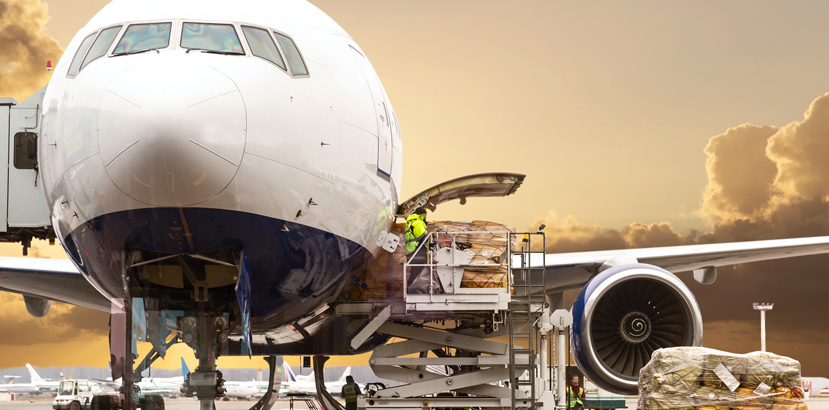
Although air freight offers speed, its cost profile differs sharply from FCL ocean shipping. Therefore, mode selection depends on urgency, value density, and market timing.
| Transport Mode | Cost Level | Transit Time | Best Use Case |
|---|---|---|---|
| 20GP FCL Sea Freight | Low–Medium | 30–40 days | Regular electronics replenishment |
| Air Freight | High | 4–7 days | Urgent or high-margin electronics |
In many cases, importers rely on FCL for baseline supply while reserving air freight services for launches or emergency restocks.
Conclusion
The 20GP FCL shipping cost for electronics from China to Denmark depends on far more than headline ocean freight rates. By understanding inland delivery, VAT impact, seasonal trends, and compliance requirements, importers gain clearer cost visibility. Ultimately, a structured shipping strategy transforms electronics logistics into a predictable, controllable component of the supply chain.
Request A Free Quote
Start shipping smarter with TopChinaForwarder today! 🚢✨ Request a Free Quote 📝 and get a tailored logistics plan built around your cargo and timeline.
FAQ:
What does a 20GP FCL shipping cost usually include?
It usually includes ocean freight and basic terminal handling, but excludes VAT, duties, inland delivery, and insurance.
Why choose 20GP FCL for electronics instead of LCL?
FCL reduces handling, lowers damage risk, and often delivers better cost efficiency once volume increases.
How long does shipping electronics from China to Denmark take?
Transit time typically ranges from 30 to 40 days, depending on origin port and feeder connections.
Are electronics subject to special customs checks in Denmark?
Yes, CE compliance and correct HS codes are essential to avoid inspections and delays.
How can importers reduce total logistics cost long term?
Advance booking, off-peak shipping, and integrated planning consistently lower total spend.