
20GP FCL Shipping Cost for Auto Parts from China to Los Angeles
Navigating the complexities of international shipping is crucial for businesses importing auto parts. Understanding the 20GP FCL shipping cost for auto parts from China to Los Angeles is a key step in optimizing your supply chain. This comprehensive guide will break down the essential factors influencing these costs, providing clarity and actionable insights for your next shipment.

What is a 20GP FCL Container and Why Choose It for Auto Parts?
A 20GP FCL means a 20-foot General Purpose Full Container Load. You reserve this entire container exclusively for your cargo. It is a standard choice for importing various goods, including auto parts, due to its efficiency and security.
Choosing FCL offers significant advantages for auto parts importers. It provides dedicated space, minimizing handling and reducing damage risk. Moreover, FCL often results in faster transit times compared to shared container options.
Key Factors Influencing 20GP FCL Shipping Cost from China to Los Angeles
Determining the exact 20GP FCL shipping cost for auto parts from China to Los Angeles involves several dynamic components. These factors fluctuate based on market conditions, seasonality, and required services. Understanding each element is crucial for accurate budgeting.
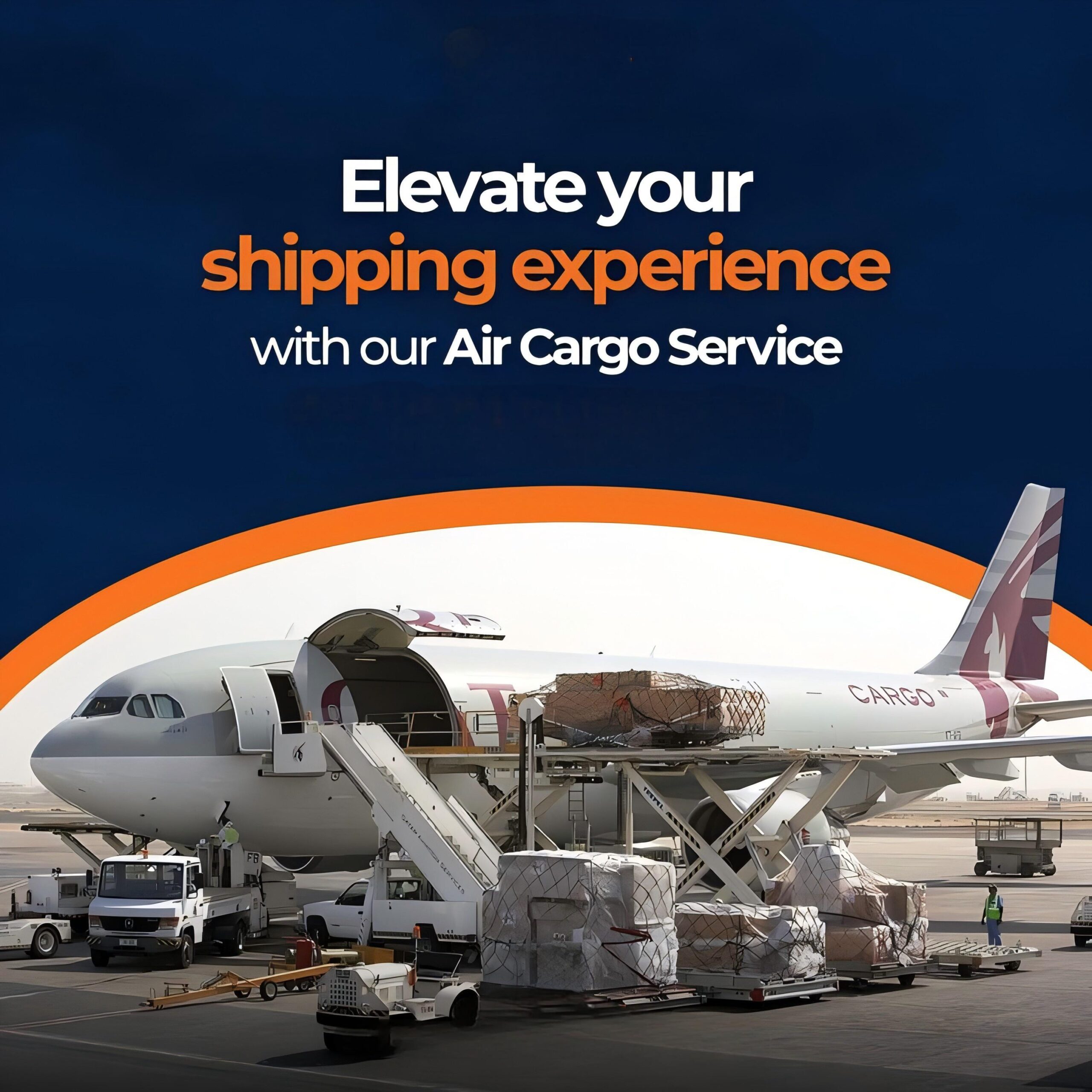
A detailed breakdown helps importers anticipate expenses and negotiate better rates. Considering all potential charges prevents unexpected costs. This ensures a smoother import process for automotive components.
Ocean Freight Rates and Surcharges
Ocean freight rates are the primary component of your shipping cost. Factors like fuel prices, carrier capacity, and global trade demand influence these rates. Seasonal peaks, such as before holidays, can significantly drive up prices.
Various surcharges are also added to the base rate. These include Bunker Adjustment Factor (BAF) and Peak Season Surcharge (PSS). Such surcharges can vary widely, impacting the overall cost of shipping auto parts.
Origin and Destination Charges
Origin charges in China cover container loading, documentation, and terminal handling (OTHC). Similarly, destination charges in Los Angeles include DTHC, chassis usage, and drayage. These local charges are essential to factor in.
It is essential to get a clear breakdown of these fees from your freight forwarder. They can add a substantial amount to the total landed cost of your imported car parts. Understanding these charges helps compare quotes accurately.
Customs Duties and Taxes
Importing auto parts incurs customs duties and taxes in the US. Specific rates depend on the Harmonized System (HS) code of each part. Customs brokerage services are vital for navigating regulations.
Accurate classification and proper documentation are paramount to avoid delays and penalties. Importers should also factor in the Merchandise Processing Fee (MPF) and Harbor Maintenance Fee (HMF). These are levied by U.S. Customs and Border Protection.
Ancillary Services and Insurance
Additional services contribute to the overall shipping cost. These include cargo insurance, protecting your auto parts against loss or damage during transit. While optional, it is highly recommended for valuable shipments.
Other services like fumigation or specialized handling for delicate components can add expense. Discuss all potential ancillary services with your logistics provider. This ensures comprehensive coverage for your automotive components.
How Does 20GP FCL Compare to Other Shipping Options for Auto Parts?
Selecting the right shipping method is critical for balancing cost, speed, and cargo security. While 20GP FCL is often ideal for auto parts, other options exist. This comparison illustrates the trade-offs in various logistics strategies.
Ultimately, the best choice depends on shipment volume, urgency, and budget. For instance, smaller, time-sensitive auto components might benefit from air freight. Bulkier, less urgent items are better suited for sea transport.
| Shipping Method | Cost Range (20GP Equivalent) | Transit Time (China to LA) | Best For | Limitations |
|---|---|---|---|---|
| 20GP FCL Sea Freight | $1,500 – $2,200 (Container) | 14 – 18 days | Large volume, non-urgent auto parts | Longer transit times, port congestion risk |
| LCL Sea Freight | $80 – $150 (per CBM) | 20 – 30 days | Small to medium volume auto parts (<15 CBM) | Increased handling, slower transit, higher per-unit cost for larger volumes |
| Air Freight | $5,000 – $15,000 (Equivalent volume) | 3 – 7 days | Urgent, high-value, low-volume auto components | Very high cost, volume/weight restrictions |
| Express Service | $200 – $500 (per 100kg) | 2 – 5 days | Very small, critical, urgent auto parts | Highest cost, strict weight/size limits |
FCL vs. LCL: When to Choose Which
Full Container Load (FCL) means your cargo occupies an entire container, like a 20GP. This provides direct transit and faster delivery. It is ideal for larger volumes of auto parts, often with lower per-unit cost.
Less than Container Load (LCL) shares container space with other cargo. While economical for smaller shipments (under 15 CBM), LCL often entails longer transit times. This is due to consolidation processes, increasing handling risks.
Sea Freight vs. Air Freight: Speed vs. Cost
Sea freight, including 20GP FCL, is the most cost-effective method for auto parts to Los Angeles. However, transit times are longer, typically 14 to 18 days for direct routes. This method suits non-urgent, high-volume shipments.
Conversely, air freight offers unparalleled speed, often 3-7 days transit. Its cost is substantially higher, suitable only for high-value or extremely urgent auto components. Businesses must weigh speed versus budget carefully.
Real-World Examples: 20GP FCL Auto Parts Shipments to Los Angeles
Examining actual shipment scenarios provides practical insights into the 20GP FCL shipping cost for auto parts from China to Los Angeles. These highlight varying conditions and outcomes, reflecting dynamic logistics. They also demonstrate how factors impact landed cost and delivery schedule.
Based on current market rates, these examples offer a realistic perspective. They showcase typical challenges and successful strategies. This helps manage importing automotive components efficiently.
Case Study 1: Standard Auto Parts Shipment
This case involves a common scenario for aftermarket auto parts. The goal was cost-effectiveness with reasonable transit time for regular inventory replenishment. A major carrier handled the shipment, ensuring reliability.
Key Insight: Strategic port choice and carrier selection resulted in competitive pricing and expected transit, despite minor port congestion.
| Detail | Value |
|---|---|
| Route | Ningbo, China Los Angeles, USA |
| Cargo | Engine mounts, brake pads, filters, 28 CBM, 12,000 kg |
| Container | 20GP FCL |
| Shipping Details | |
| – Carrier/Service | COSCO (Major carrier) |
| – Port of Loading | Ningbo |
| – Port of Discharge | Los Angeles |
| – Route Type | Direct |
| Cost Breakdown (Based on Q3 2024 market rates) | |
| – Ocean Freight | $1,850 |
| – Origin Charges (THC, documentation) | $380 |
| – Destination Charges | $450 |
| – Customs & Duties (estimated) | $1,100 |
| – Total Landed Cost (excluding inland) | $3,780 |
| Timeline | |
| – Booking to Loading | 5 days |
| – Sea Transit | 16 days |
| – Customs Clearance | 2 days |
| – Total Door-to-Door | 23 days |
Case Study 2: High-Value Components with Faster Clearance
This shipment involved specialized electronic auto components requiring careful handling and expedited customs processing. The importer prioritized security and faster customs clearance. They opted for a freight forwarder with strong US customs ties.
Key Insight: Investing in a reputable customs broker significantly reduced clearance time and potential delays for high-value items, justifying the slightly higher overall cost for importing car parts.
| Detail | Value |
|---|---|
| Route | Shanghai, China Los Angeles, USA |
| Cargo | ECUs, sensors, wiring harnesses, 25 CBM, 9,500 kg |
| Container | 20GP FCL |
| Shipping Details | |
| – Carrier/Service | Evergreen Line (Major carrier) |
| – Port of Loading | Shanghai |
| – Port of Discharge | Los Angeles |
| – Route Type | Direct |
| Cost Breakdown (Typical rates as of early 2025) | |
| – Ocean Freight | $2,100 |
| – Origin Charges (THC, documentation) | $420 |
| – Destination Charges | $500 |
| – Customs & Duties (estimated) | $1,500 |
| – Total Landed Cost (excluding inland) | $4,520 |
| Timeline | |
| – Booking to Loading | 6 days |
| – Sea Transit | 15 days |
| – Customs Clearance | 1 day |
| – Total Door-to-Door | 22 days |
Case Study 3: Seasonal Volume for Aftermarket Parts
This example illustrates a peak season shipment of aftermarket body kits and interior accessories. The challenge was securing space and managing rates during a busy period. Pre-booking and flexible shipping dates were key to success.
Key Insight: Early booking and flexibility with shipping dates during peak seasons (e.g., Q4) can mitigate higher rates and potential space shortages, ensuring timely delivery of auto parts inventory.
| Detail | Value |
|---|---|
| Route | Shenzhen, China Los Angeles, USA |
| Cargo | Body kits, interior accessories, 27 CBM, 11,000 kg |
| Container | 20GP FCL |
| Shipping Details | |
| – Carrier/Service | OOCL (Major carrier) |
| – Port of Loading | Shenzhen |
| – Port of Discharge | Los Angeles |
| – Route Type | Direct |
| Cost Breakdown (Based on Q4 2024 peak season rates) | |
| – Ocean Freight | $2,300 |
| – Origin Charges (THC, documentation) | $400 |
| – Destination Charges | $480 |
| – Customs & Duties (estimated) | $1,250 |
| – Total Landed Cost (excluding inland) | $4,430 |
| Timeline | |
| – Booking to Loading | 8 days |
| – Sea Transit | 18 days |
| – Customs Clearance | 3 days |
| – Total Door-to-Door | 29 days |
Optimizing Your 20GP FCL Shipping Cost and Efficiency
Reducing the 20GP FCL shipping cost for auto parts from China to Los Angeles requires a proactive approach. Several strategies minimize expenses while maintaining reliability. Focusing on these can lead to significant savings and improved supply chain performance.
Effective logistics management ensures automotive components arrive on time and within budget. This includes everything from vendor selection to final delivery. It directly impacts your overall profitability.
Strategic Planning and Carrier Selection
Planning shipments well in advance allows for better rate negotiation and space allocation. Booking early, especially during peak seasons, helps avoid higher surcharges. Strong relationships with multiple carriers provide flexibility and competitive pricing.
Comparing quotes from various freight forwarders is essential. Look beyond just ocean freight; consider all-inclusive costs, transit times, and reputation. This due diligence secures the best value for importing car parts.
Documentation and Customs Compliance
Accurate documentation is paramount for smooth customs clearance. Errors lead to costly delays, penalties, or cargo seizure. Ensure all invoices, packing lists, and bills of lading are meticulously prepared.
Partnering with an experienced customs broker is highly advisable. They guide you through regulations for auto parts and classify goods correctly. This expertise minimizes risks and streamlines the import process.
Consolidation and Supply Chain Management
If sourcing auto parts from multiple suppliers, consolidate cargo into one 20GP FCL container. This maximizes container utilization and reduces per-unit shipping costs. A freight forwarder can assist with warehousing and consolidation.
Regular review of your supply chain identifies inefficiencies and cost-saving opportunities. Robust inventory management helps avoid urgent, expensive shipments. Effective supply chain management optimizes freight rates and delivery schedules.
Navigating Market Trends and Seasonal Fluctuations
The global shipping market is constantly evolving due to geopolitical events and economic shifts. Staying informed about these trends is crucial for managing the 20GP FCL shipping cost for auto parts from China to Los Angeles effectively. Market intelligence helps anticipate rate changes.
As of Q1 2025, freight rates from China to the USA West Coast show stability. However, potential disruptions like port congestion remain a possibility. Therefore, a flexible approach is always recommended for automotive components.
Which Shipping Option Should You Choose for Your Auto Parts?
Deciding on the optimal shipping method involves careful evaluation of business priorities. Each option presents unique advantages and disadvantages for importing auto parts. A structured decision framework can streamline this process.
Consider your specific needs for each shipment to make an informed choice. This approach ensures your logistics strategy aligns with overall business objectives. This is crucial for importing car parts efficiently.
| Priority / Factor | Recommended Option for Auto Parts |
|---|---|
| Budget Priority | 20GP FCL Sea Freight (for volumes > 15 CBM) or LCL (for smaller volumes) |
| Speed Priority (Urgent) | Express Service or Air Freight (for critical, high-value components) |
| Cargo Type (Heavy, Bulky) | 20GP FCL Sea Freight |
| Cargo Type (Fragile, High-Value) | FCL Sea Freight with proper packaging and insurance, or Air Freight for extreme urgency |
| Volume Thresholds | Below 15 CBM: LCL; Above 15 CBM: 20GP FCL becomes more cost-effective |
Mastering Your Auto Parts Imports from China to Los Angeles
Effectively managing the <a href=”https://Top China Freight.net/”>20GP FCL shipping cost for auto parts from China to Los Angeles</a> is key to a successful import business. By understanding costs, exploring alternatives, and optimizing techniques, importers enhance profitability and supply chain reliability. This leads to better management of automotive components.
The journey of automotive components from China to the US market demands meticulous planning. Partnering with a knowledgeable freight forwarder like Top China Freight ensures efficient, secure, and budget-friendly delivery. This allows you to focus on your core business.
Ready to streamline your logistics?
Ready to optimize your 20GP FCL shipping cost for auto parts from China to Los Angeles? Our team of experts at Top China Freight is here to provide personalized solutions and competitive quotes. Contact us today to discuss your specific shipping requirements and streamline your import process.
Request Quote