
20GP FCL Detention Prevention for Machinery from China to Poland
Shipping machinery from China to Poland demands meticulous planning and execution. Avoiding costly 20GP FCL detention and demurrage charges is crucial for maintaining project budgets and timelines. This comprehensive guide, brought to you by Top China Freight, explores effective strategies to prevent these expenses. We will cover everything from pre-shipment preparation to efficient customs clearance and final delivery.
What is 20GP FCL and Why is Detention a Concern?
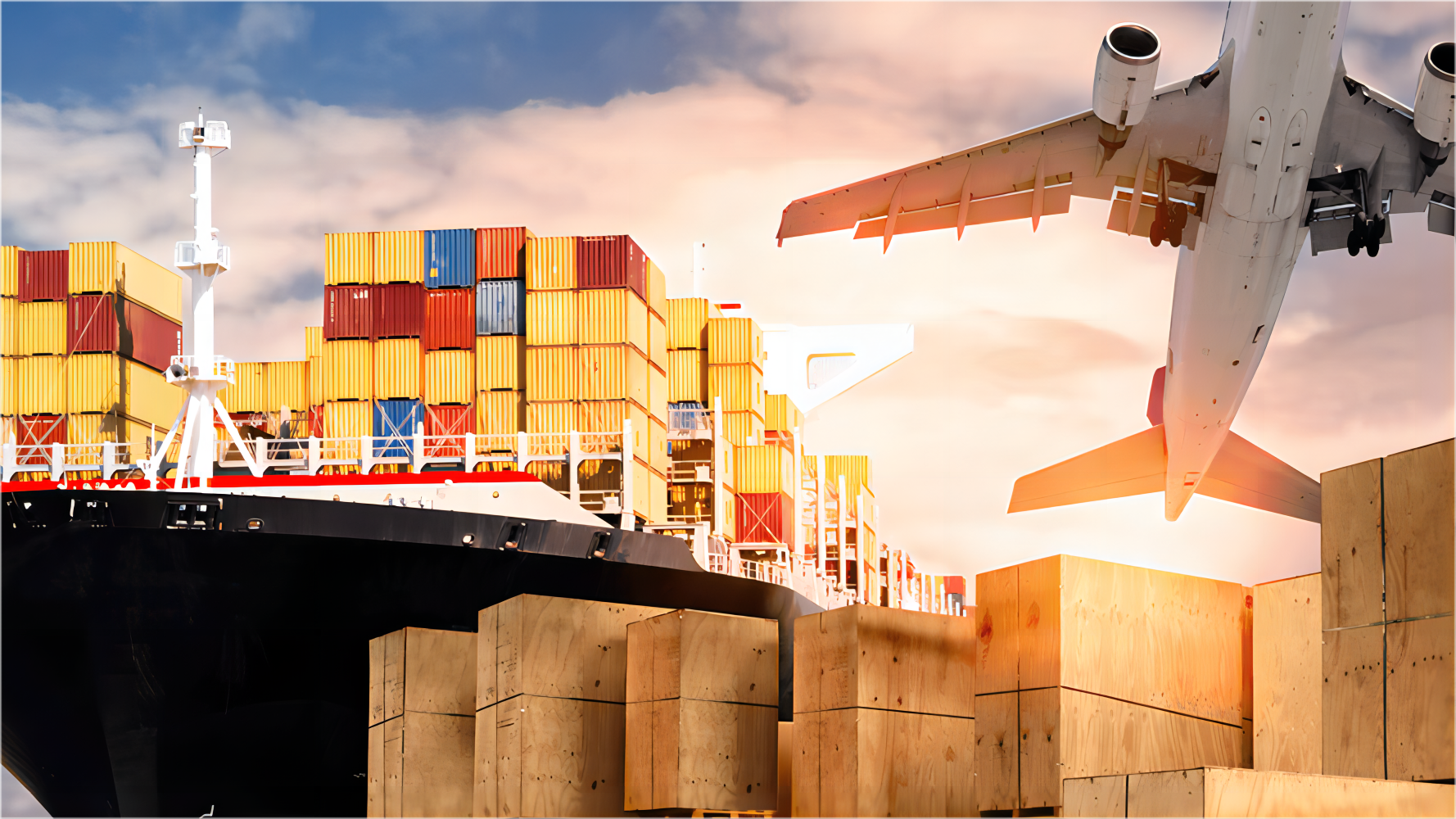
A 20GP FCL refers to a 20-foot General Purpose Full Container Load, a standard unit for international sea freight. It is ideal for shipping machinery from China to Poland due to its capacity and security. However, managing this container type effectively is paramount.
Detention charges arise when the consignee holds the container outside the port or terminal beyond the free time allowed by the shipping line. Similarly, demurrage occurs when the container remains inside the port or terminal past its allotted free period. Both can significantly inflate your sea freight costs.
Consequently, understanding and mitigating these charges is vital for any importer of industrial equipment. These fees can quickly accumulate, sometimes exceeding the original freight cost. Therefore, proactive planning and communication are essential for preventing them.
Understanding Detention and Demurrage: The Hidden Costs
Detention and demurrage are distinct but related charges that penalize delays in cargo movement. Shipping lines typically offer a certain number of ‘free days’ for container usage. Beyond this period, daily charges apply, which vary by carrier and port.
For instance, free days usually range from 3 to 7 days, after which charges can be $50 to $200 per day or more. These costs can quickly escalate, impacting your overall shipping from China to Europe budget. Machinery imports, often requiring specialized handling, are particularly susceptible to these delays.
Moreover, unforeseen events like port congestion, customs inspections, or receiver availability can trigger these charges. Therefore, a robust strategy for 20GP FCL detention prevention is indispensable. It safeguards your financial interests and ensures a smoother supply chain.
Key Strategies for Preventing 20GP FCL Detention
Effective prevention of detention and demurrage charges hinges on meticulous planning and coordination across the entire logistics chain. Several proactive measures can significantly reduce your exposure to these costly penalties. Implementing these strategies is crucial for importing machinery from China to Poland.
Essentially, the goal is to ensure the container is picked up, unloaded, and returned to the shipping line within the free time. This requires close collaboration with all parties involved. Consequently, a streamlined process minimizes potential bottlenecks and delays.
Pre-shipment Planning and Documentation
Thorough preparation before the shipment departs China is the first line of defense. Ensuring all documentation is accurate and complete prevents delays at both origin and destination ports. This includes commercial invoices, packing lists, and certificates of origin.
Furthermore, confirm that your consignee in Poland has all necessary import licenses and permits for machinery. Any discrepancies can lead to significant customs delays, directly contributing to demurrage. Therefore, engage a reliable customs brokerage service early in the process.
Additionally, negotiate extended free days with your shipping line or freight forwarder whenever possible, especially for complex machinery shipments. This provides a buffer against unexpected delays. Always verify the agreed-upon free time in writing.
Optimizing Port Operations and Customs Clearance
Efficient handling at the port of discharge, such as Gdansk or Gdynia, is critical. Pre-clearing customs before the vessel’s arrival can save valuable time. Submit all required import declarations and duties electronically beforehand if feasible.
Moreover, ensure your Polish consignee has a pre-arranged plan for container pick-up and immediate unloading. This might involve having appropriate heavy-lifting equipment and personnel ready. Communication with the terminal operator is also key.
Working with an experienced freight forwarder who has strong relationships with port authorities and customs officials can expedite processes. They can navigate potential issues efficiently, minimizing the risk of prolonged container stays. This proactive approach supports efficient supply chain management.
Efficient Inland Transportation
Once cleared, prompt inland transportation from the port to the final delivery site is essential for avoiding detention charges. Secure your trucking or rail transport well in advance of the vessel’s estimated arrival. Delays in booking inland transport are a common cause of detention.
Additionally, confirm that the delivery location is prepared to receive and unload the 20GP FCL container quickly. Access restrictions, limited unloading capacity, or lack of equipment can all lead to delays. Therefore, clear communication with the receiver is paramount.
Consider using a door-to-door service, where the freight forwarder manages the entire logistics chain from origin to final destination. This single point of contact simplifies coordination and reduces the likelihood of miscommunication-induced delays. This integrated approach optimizes delivery schedule and cargo handling.
How Does 20GP FCL Sea Freight Compare to Other Shipping Options?
While 20GP FCL sea freight is often the most economical choice for shipping machinery from China to Poland, understanding alternative logistics trends and methods is crucial. Each option offers distinct advantages and disadvantages concerning cost, speed, and capacity. Comparing these alternatives helps in making informed decisions for your specific import/export needs.
Indeed, the optimal shipping method depends heavily on your budget priority, time constraints, and the nature of the machinery. Evaluating these factors against the available options ensures the best fit. This comprehensive overview considers various freight rates and transit time implications.
| Shipping Method | Cost Range (20GP Equivalent) | Transit Time (China to Poland) | Best For | Limitations |
|---|---|---|---|---|
| FCL Sea Freight | $1,800 – $4,200 | 30 – 45 days | Heavy, bulky, non-urgent machinery; Cost-efficiency | Slowest transit, potential for detention/demurrage |
| Rail Freight | $6,000 – $10,000 | 18 – 25 days | Time-sensitive heavy machinery; Balancing speed & cost | Less capacity than sea, specific rail terminals needed |
| Air Freight | $15,000 – $30,000+ | 5 – 10 days | Urgent, high-value, smaller machinery; Speed priority | Highest cost, volume/weight restrictions |
Alternative Shipping Solutions and Hybrid Models
For urgent or high-value machinery, air freight offers unparalleled speed, though at a significantly higher cost. While a 20GP FCL takes weeks, air freight can deliver in days. This option is generally not suitable for very heavy or bulky machinery due to cost and size limitations.
Alternatively, rail freight from China to Poland presents a viable middle-ground. It is faster than sea freight and more cost-effective than air freight, with transit times typically ranging from 18-25 days. Rail is excellent for heavy cargo and offers greater predictability than sea routes, bypassing some port congestion issues.
Hybrid solutions, such as sea-rail combinations, can also be explored. For example, shipping by sea to a major European port like Hamburg or Rotterdam, then transferring to rail for the final leg to Poland, can optimize both transit time and shipping costs. This offers flexibility in managing your supply chain.
Real-World Case Studies: Successful Detention Prevention
Examining actual scenarios highlights the importance of strategic planning in preventing 20GP FCL detention for machinery from China to Poland. These examples demonstrate how effective communication and proactive measures translate into significant cost savings. They also showcase how robust logistics solutions enhance efficiency.
These case studies, based on typical rates as of early 2025, illustrate practical application of the strategies discussed. They provide valuable insights for businesses importing manufacturing equipment. Understanding these real-world applications is crucial for optimizing your operations.
Case Study 1: Large CNC Machine Import
This case involved a Polish manufacturer importing a critical CNC machine, where minimizing downtime was paramount. Proactive engagement with customs and pre-arranged inland transport were key.
The consignee had all documents prepared and customs pre-filed. A dedicated trucking service was on standby, ensuring immediate pick-up from Gdansk. This meticulous planning avoided any detention charges, saving thousands of dollars.
| Detail | Description |
|---|---|
| Route | Shanghai, China Gdansk, Poland |
| Cargo | CNC Machining Center, 25 CBM, 8,500 kg |
| Container | 1 x 20GP FCL |
| Shipping Details | |
| – Carrier/Service | COSCO (Major carrier) |
| – Port of Loading | Shanghai |
| – Port of Discharge | Gdansk |
| – Route Type | Transshipment via Hamburg |
| Cost Breakdown (Estimated Q1 2025) | |
| – Ocean Freight | $2,100 |
| – Origin Charges (THC, documentation) | $350 |
| – Destination Charges (DTHC, handling) | $400 |
| – Customs & Duties (estimated) | $1,800 |
| – Total Landed Cost (excluding inland transport) | $4,650 |
| Timeline | |
| – Booking to Loading | 5 days |
| – Sea Transit | 35 days |
| – Customs Clearance | 1 day (pre-filed) |
| – Total Door-to-Door (to Warsaw) | 38 days |
| Key Insight | Early customs pre-filing and dedicated inland transport ensured container return within 3 free days, preventing any detention costs. This highlights the value of efficient logistics solutions. |
Case Study 2: Multiple Component Shipments for Assembly
A Polish automotive supplier frequently imports various machinery components from Shenzhen. Their strategy focuses on consolidating shipments and leveraging an experienced freight forwarder for smooth operations.
By coordinating multiple suppliers and utilizing Amazon FBA-like consolidation services, they optimize container space. The forwarder manages customs and ensures timely delivery to their assembly plant, minimizing risk of demurrage.
| Detail | Description |
|---|---|
| Route | Shenzhen, China Gdynia, Poland |
| Cargo | Assorted Robotic Parts & Assembly Tools, 20 CBM, 7,000 kg |
| Container | 1 x 20GP FCL |
| Shipping Details | |
| – Carrier/Service | MSC (Major carrier) |
| – Port of Loading | Shenzhen |
| – Port of Discharge | Gdynia |
| – Route Type | Direct (seasonal service) |
| Cost Breakdown (Estimated Q1 2025) | |
| – Ocean Freight | $2,400 |
| – Origin Charges (THC, documentation) | $400 |
| – Destination Charges (DTHC, handling) | $450 |
| – Customs & Duties (estimated) | $1,500 |
| – Total Landed Cost (excluding inland transport) | $4,750 |
| Timeline | |
| – Booking to Loading | 7 days |
| – Sea Transit | 32 days |
| – Customs Clearance | 2 days |
| – Total Door-to-Door (to Krakow) | 37 days |
| Key Insight | Consolidating cargo and using a freight forwarder with strong port connections allowed for quick customs processing and container release, avoiding detention. This demonstrates smart cargo handling and optimized transit time. |
Which Option Should You Choose for Your Machinery Shipment?
Selecting the ideal shipping method for your machinery from China to Poland involves balancing several critical factors. A decision framework helps you prioritize your needs, ensuring the most efficient and cost-effective logistics solution. Consider your budget, urgency, and the specific characteristics of your cargo.
Ultimately, the best choice aligns with your business objectives and operational capabilities. Evaluating these aspects carefully will prevent unnecessary expenses and delays. This framework guides you through making an informed decision.
Decision Criteria for Optimal Shipping
If **budget is your top priority**, and time is flexible, **20GP FCL sea freight** remains the most cost-effective solution. Negotiating favorable freight rates and extended free days is essential. This method is ideal for standard machinery imports where transit time is not critical.
For **speed priority** and moderately heavy machinery, **rail freight** offers a compelling balance. It significantly reduces transit time compared to sea freight without the prohibitive costs of air freight. This is suitable when production schedules are tight.
When **cargo type considerations** involve extremely heavy or oversized machinery, **special equipment FCL** (e.g., open-top, flat rack containers) via sea freight might be necessary. This requires specialized cargo handling and specific port capabilities. For smaller, high-value, or urgent components, express service or air freight is preferable.
**Volume thresholds for switching methods** also play a role. For shipments under 15 CBM, LCL (Less than Container Load) might be more economical than a full 20GP FCL. However, LCL can sometimes incur more handling delays. Conversely, for multiple 20GP FCLs, consider chartering services or optimizing vessel space with a reliable forwarder. This approach ensures efficient supply chain management.
Leveraging Technology and Professional Logistics Partners
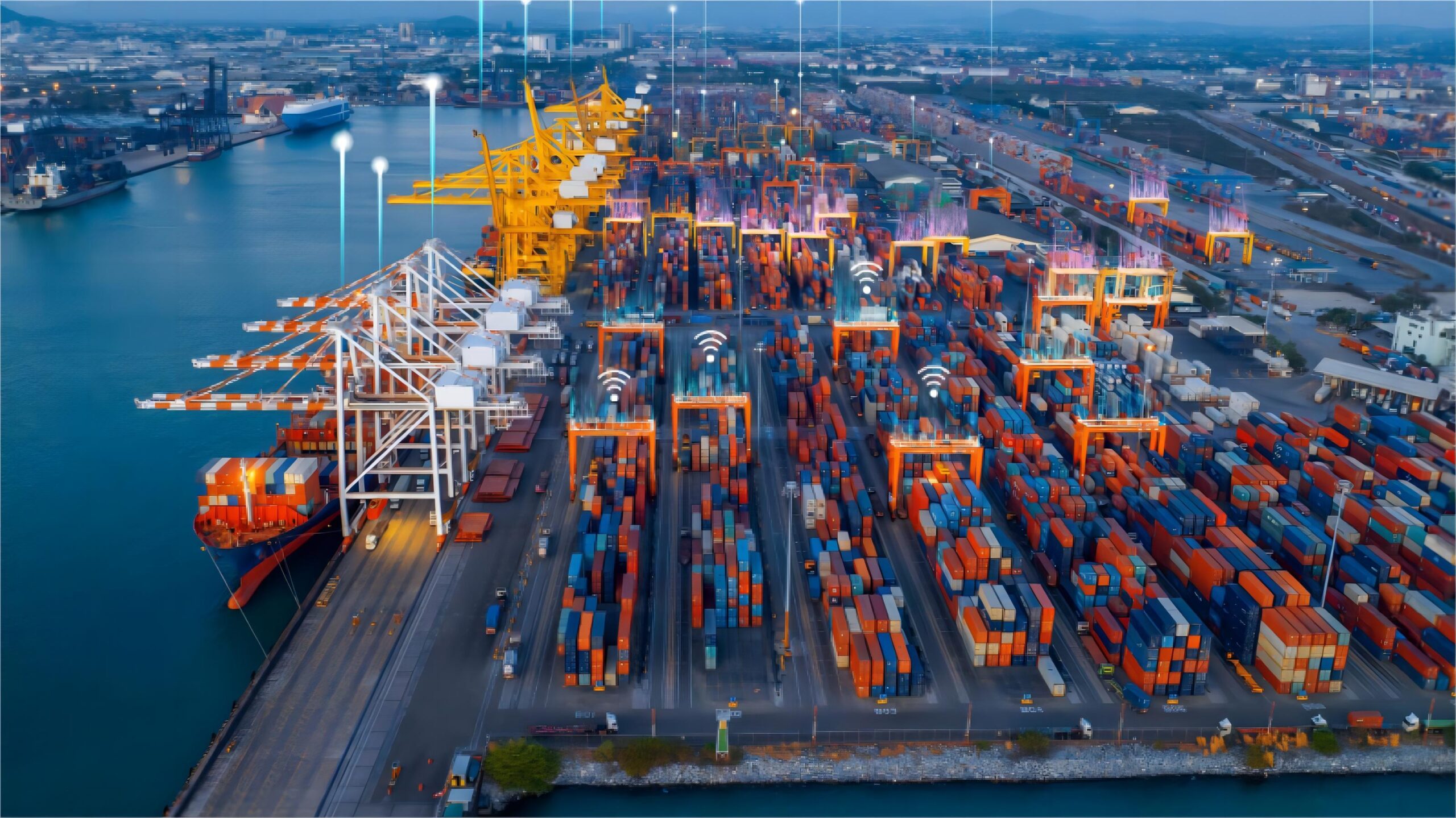
In today’s dynamic global trade environment, technology plays an increasingly vital role in preventing 20GP FCL detention. Digital platforms and real-time tracking systems provide unparalleled visibility into your shipment’s journey. This allows for proactive problem-solving and improved delivery schedule management.
Furthermore, partnering with a professional freight forwarder offering comprehensive logistics solutions is invaluable. An experienced partner can navigate complex customs regulations, optimize shipping routes, and negotiate better terms with carriers. This expertise is particularly beneficial for managing the nuances of importing machinery from China to Poland.
They can also provide insights into current market conditions and logistics trends. Such a partner acts as an extension of your supply chain team, offering peace of mind and significant cost savings. Their ability to anticipate and mitigate issues directly contributes to detention prevention strategies.
Conclusion: Master Your 20GP FCL Detention Prevention
Effectively managing 20GP FCL detention prevention for machinery from China to Poland is a multi-faceted challenge. It requires careful planning, timely documentation, and efficient coordination across all stages of the supply chain. By implementing robust strategies for pre-shipment, customs, and inland transport, businesses can significantly reduce their exposure to costly demurrage and detention fees.
Moreover, selecting the right shipping method, leveraging technology, and partnering with an experienced logistics provider are crucial steps. These elements collectively contribute to a streamlined and cost-effective import process. Ultimately, proactive management ensures your machinery arrives on time and within budget, strengthening your overall supply chain efficiency.
Need a tailored shipping solution?
Are you looking to ship machinery from China to Poland without the headache of costly detention charges? Top China Freight offers expert logistics solutions tailored to your specific needs. Contact us today for a personalized quote and discover how we can optimize your supply chain and ensure smooth, efficient delivery of your 20GP FCL cargo.