
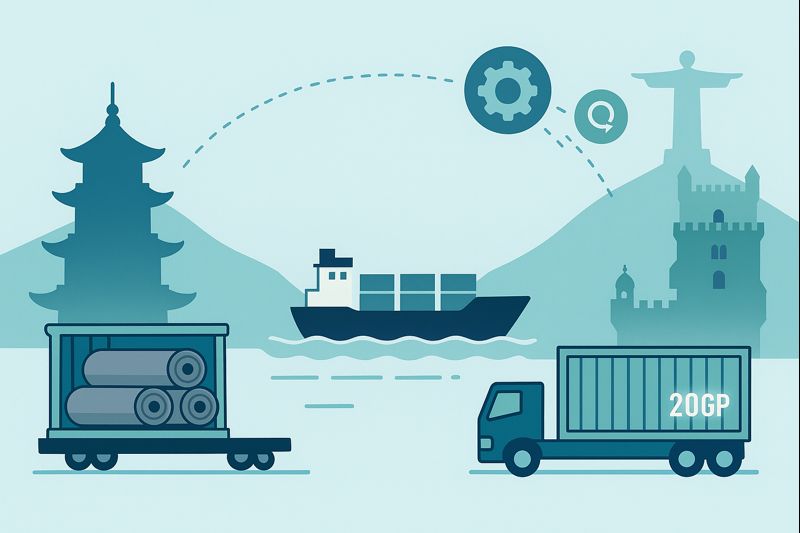
As global trade normalizes unevenly, the 20GP FCL container shortage solution for textiles from China to Portugal has become a pressing issue for exporters facing missed sailings and unstable delivery schedules. However, with the right planning, container strategy, and carrier coordination, these disruptions can be reduced significantly. Therefore, this guide outlines practical, experience-based solutions supported by real shipping scenarios from China to Portugal, starting with a clear overview from the Top China Freight homepage.

Why is there a 20GP container shortage on China–Portugal routes?
Although overall container production has increased, 20GP availability remains constrained on several Europe-bound lanes. As a result, textile exporters often feel the impact first.
Container imbalance between Asia and Europe
Firstly, European imports rely heavily on 40HQ equipment for consumer goods. Consequently, fewer 20GP containers are repositioned back to China, creating an imbalance. Meanwhile, textile shipments—often dense and heavy—still prefer 20GP units for weight compliance.
Slower container turnaround in Southern Europe
Secondly, ports such as Lisbon and Leixões experience longer container dwell times. Therefore, empty equipment returns to Asia more slowly, tightening supply at Chinese loading ports.
Carrier prioritization of high-revenue cargo
Finally, carriers often allocate limited 20GP equipment to long-term contract shippers. As a result, spot textile exporters face reduced booking acceptance.
How does a 20GP shortage specifically affect textile exports?
Although container shortages affect many industries, textiles face unique challenges that amplify the risk.
Weight sensitivity of textile cargo
Textiles, especially fabrics and finished garments, reach weight limits quickly. Therefore, shifting from 20GP to 40HQ is not always viable without exceeding payload thresholds.
Seasonal shipment peaks
Moreover, fashion cycles and retail promotions compress shipping windows. Consequently, missed sailings can lead to lost sales opportunities and inventory imbalances.
Limited flexibility for consolidation
While LCL may seem like an alternative, textile exporters often ship consistent volumes that favor FCL. Thus, container shortages disrupt established supply chain rhythms.

How can early booking mitigate container shortages?
Although shortages cannot always be avoided, early booking significantly improves outcomes.
Advanced rolling forecasts
By sharing shipment forecasts 2–3 weeks ahead, exporters increase their priority with carriers. Consequently, equipment allocation improves.
Flexible sailing windows
Rather than fixing a single ETD, allowing a 3–5 day sailing range creates more booking options.
Carrier diversification
Relying on multiple carriers reduces exposure to individual equipment constraints, especially on Europe-bound lanes via the sea freight services network.
Should textile exporters consider alternative container strategies?
When 20GP containers remain unavailable, alternative strategies may stabilize shipments.
| Strategy | Advantage | Limitation |
|---|---|---|
| Switch to 40HQ | Better availability | Weight restrictions |
| Partial LCL split | Maintains delivery flow | Higher per-unit cost |
| Load optimization | Improves payload efficiency | Requires planning |
Therefore, selecting the right option depends on cargo density, delivery urgency, and cost tolerance.
Case Studies
Textile fabrics from Zhejiang to Lisbon
Route: Ningbo → Lisbon
Cargo: Woven cotton fabrics
Volume: 1 × 20GP, 18.5 tons
Challenge: No 20GP availability for 10 days
Solution:
By shifting loading to Shanghai and confirming a flexible ETD window, the exporter secured a 20GP within four days. As a result, delivery timelines were preserved without switching container types.
Garment exports from Guangdong to Leixões
Route: Shenzhen → Leixões
Cargo: Finished garments
Volume: 2 × 20GP, 17 tons each
Challenge: Persistent 20GP unavailability during peak season
Solution:
The exporter shifted one shipment to a 40HQ with optimized loading while delaying the second by five days. As a result, both orders arrived on time without resorting to LCL, preserving cost efficiency.
What cost risks arise from prolonged 20GP shortages?
Container shortages influence more than just booking difficulty. Therefore, exporters should consider indirect financial impacts.
| Cost Area | Risk During Shortage | Mitigation |
|---|---|---|
| Production delays | Missed factory schedules | Early forecasting |
| Storage costs | Extended warehouse holding | Flexible ETDs |
| Freight premiums | Spot surcharges | Multi-carrier strategy |
Managing these risks requires forward planning rather than last-minute booking.
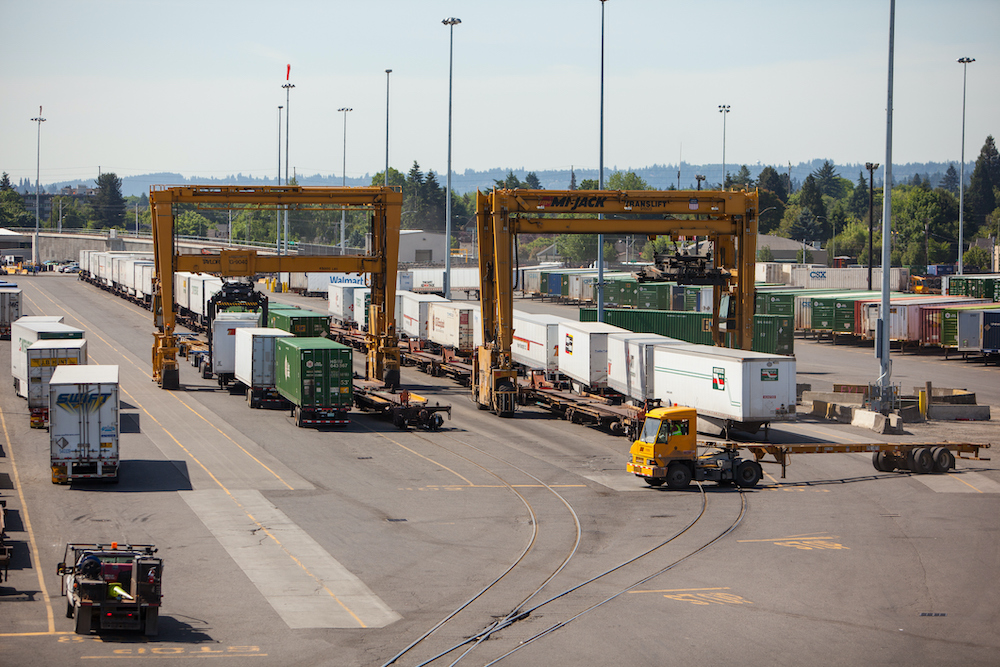
How can alternative routing stabilize shipments during 20GP shortages?
When direct China–Portugal capacity tightens, routing flexibility becomes a critical lever. Therefore, exporters who plan alternatives early gain a clear advantage.
Using nearby European gateways
Routing textiles to nearby hubs such as Spain or Northern Europe can unlock equipment. Subsequently, short-sea or inland trucking moves cargo into Portugal with minimal delay.
Split-routing for high-volume orders
Dividing one large shipment into two smaller sailings reduces dependency on a single container release. As a result, overall delivery risk decreases.
Combining sea and inland solutions
In some cases, blending sea freight with inland transport options improves reliability, especially when supported by integrated door-to-door logistics planning.
How does customs readiness reduce container idle time?
Even when a container is secured, customs delays can waste valuable free days. Therefore, documentation discipline directly affects container turnover.
Accurate HS codes and invoices
Textile products often span multiple HS codes. Correct classification reduces inspection probability and speeds clearance.
Pre-arrival filing
Submitting customs data before vessel arrival shortens release time. Consequently, containers return to circulation faster.
Inspection preparedness
Clear labeling and compliant packing lower inspection risk. Thus, demurrage exposure remains under control.
Experienced coordination through professional customs brokerage services often prevents avoidable delays at Portuguese ports.
Conclusion
In conclusion, managing the 20GP FCL container shortage solution for textiles from China to Portugal requires proactive planning, routing flexibility, and disciplined execution. While shortages remain a structural challenge, exporters who diversify strategies and plan ahead can maintain stable delivery schedules. With the right logistics partner, container constraints no longer dictate business outcomes.
Request A Free Quote
Start shipping smarter with TopChinaForwarder today! 🚢✨ Request a Free Quote 📝 and get a tailored logistics plan built around your cargo and timeline.
FAQ:
Why do textile exporters prefer 20GP containers?
They handle heavy cargo better and reduce the risk of exceeding weight limits.
How early should I book during a shortage?
Booking 2–3 weeks in advance significantly improves confirmation chances.
Can I switch to 40HQ without risk?
Only if cargo weight allows; otherwise, penalties may apply.
How can I reduce demurrage risk?
Accurate documents and pre-arrival filing are key.
Will shortages ease soon?
Shortages fluctuate, but proactive planning remains the safest approach.