
20GP FCL Best Route for Textiles: China to Ireland
Navigating the complexities of international shipping for textiles from China to Ireland requires strategic planning. Securing the 20GP FCL best route for textiles from China to Ireland is crucial for efficiency and cost-effectiveness. This comprehensive guide, brought to you by Top China Freight, will illuminate the optimal paths and considerations for your textile imports. Consequently, you can streamline your supply chain and minimize potential delays.
What is 20GP FCL Shipping for Textiles?
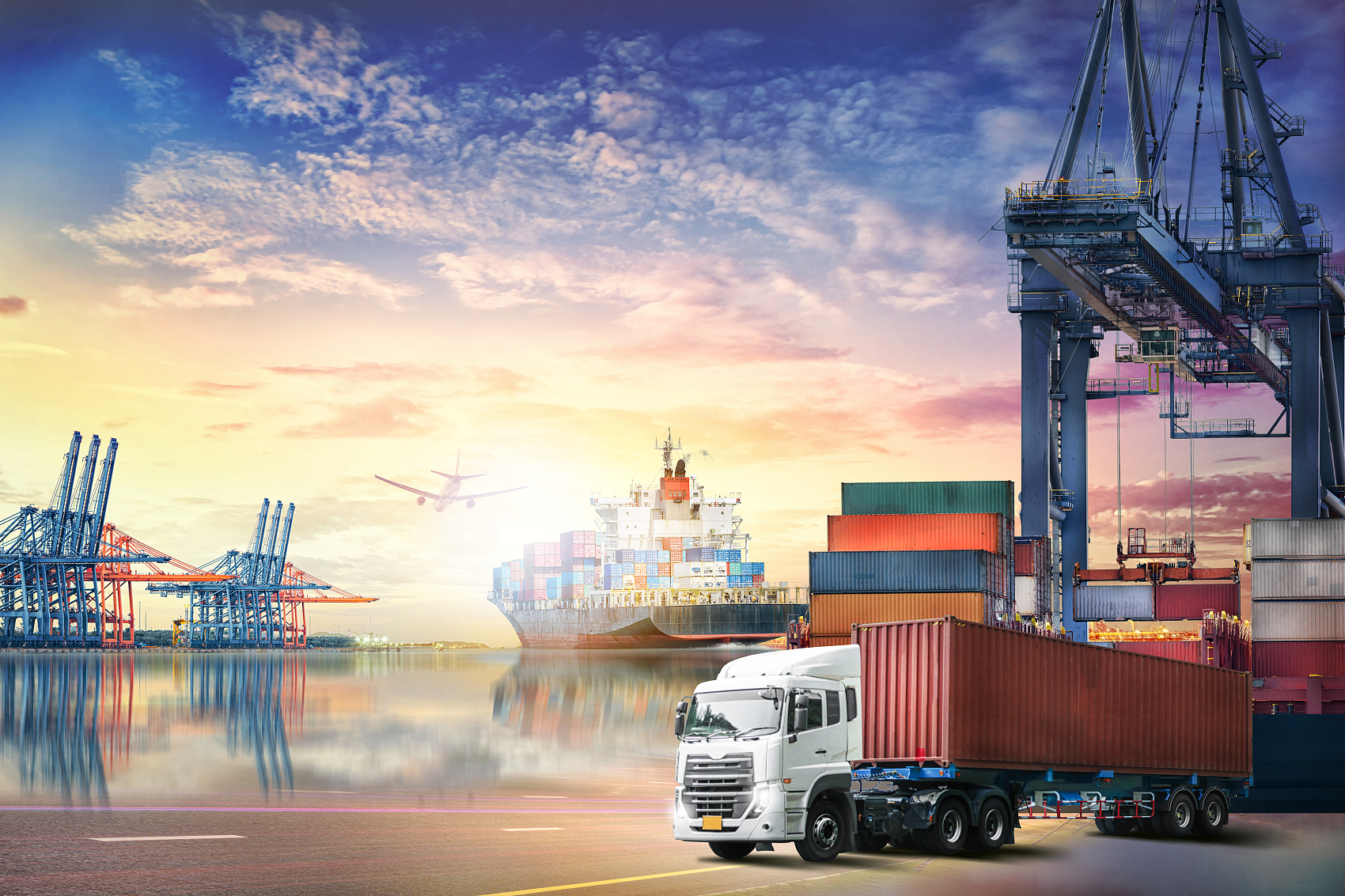
A 20GP FCL, or 20-foot General Purpose Full Container Load, represents a standard shipping container dedicated solely to one consignee’s goods. This method is highly favored for importing textiles from China to Ireland due to its security and cost-efficiency for larger volumes. Essentially, your textile shipment occupies the entire container, avoiding co-loading with other goods.
Furthermore, this approach significantly reduces the risk of damage or misplacement often associated with Less than Container Load (LCL) shipments. Therefore, for businesses with substantial textile orders, 20GP FCL offers a reliable and streamlined solution for their supply chain needs.
Understanding 20GP Container Capacity
A 20GP container typically measures 20 feet long, 8 feet wide, and 8.5 feet high, offering approximately 33 cubic meters (CBM) of usable space. For textiles, which often have a high volume-to-weight ratio, this capacity is often sufficient. Moreover, it allows for efficient packing of various fabric types, apparel, or raw textile materials.
Indeed, proper loading and stowage are essential to maximize space and prevent movement during transit. Consequently, understanding the dimensions and weight limits is critical for planning your textile imports effectively.
Why FCL is Ideal for Textile Imports
FCL shipping provides several distinct advantages for textile imports, including enhanced security and faster transit times. Because the container is sealed at the origin and typically remains untouched until reaching the destination, cargo handling is minimized. This reduces the risk of theft or damage to delicate textile products.
Additionally, FCL shipments generally experience fewer delays at transshipment points compared to LCL cargo, which requires consolidation and deconsolidation. Thus, for predictable delivery schedules and maintaining product integrity, FCL is often the preferred choice for the 20GP FCL best route for textiles from China to Ireland.
Key Considerations for China-Ireland Textile Shipping
Successful textile shipping from China to Ireland involves careful consideration of several critical factors. These include understanding shipping costs, managing transit times, and navigating complex customs procedures. Moreover, fluctuations in freight rates and potential port congestion can impact your delivery schedule.
Planning ahead and working with experienced logistics partners are paramount. This proactive approach helps mitigate risks and ensures a smoother import process for your valuable textile goods.
Shipping Costs and Freight Rates
The cost of a 20GP FCL shipment from China to Ireland varies significantly based on several factors. These include the specific port of origin, the destination port, carrier choice, and current market conditions. Fuel surcharges, peak season surcharges, and port handling fees also contribute to the overall freight rates. Typically, ocean freight for a 20GP from China to Ireland ranges from $2,000 to $2,800, as of early 2025.
Additionally, you must account for origin charges, destination charges, and potential customs duties. Therefore, obtaining a detailed, all-inclusive quote is essential to accurately budget for your textile imports. Note: Freight rates are subject to change based on fuel costs, carrier capacity, and seasonal demand. Contact us for a current quote tailored to your specific shipment.
Understanding Transit Times and Delivery Schedules
Transit time for a 20GP FCL from major Chinese ports to Ireland typically ranges from 30 to 38 days for direct services. However, transshipment routes, often via major European hubs like Rotterdam or Felixstowe, can add several days to the journey. Port congestion, adverse weather conditions, and customs clearance processes can also cause delays.
Consequently, it is vital to build buffer time into your delivery schedule, especially for time-sensitive fashion collections. Regular communication with your freight forwarder, such as those specializing in sea freight, can help you stay informed about your shipment’s progress.
Customs, Duties, and Documentation
Importing textiles into Ireland from China requires meticulous attention to customs regulations and documentation. Key documents include the commercial invoice, packing list, bill of lading, and certificate of origin. Furthermore, textile products often incur specific duties and VAT, which must be correctly declared.
Incorrect or incomplete documentation can lead to significant delays and penalties. Therefore, leveraging expert customs brokerage services is highly recommended to ensure compliance and smooth clearance.
Choosing the Best Route: China to Ireland Ports
Selecting the right ports of loading and discharge is fundamental to establishing the 20GP FCL best route for textiles from China to Ireland. China boasts several major export hubs, while Ireland has key entry points for international cargo. Moreover, the choice between direct and transshipment routes significantly impacts both transit time and cost.
Considerations such as your supplier’s proximity to a Chinese port and your final delivery destination in Ireland will influence the optimal port combination.

Major Chinese Export Ports for Textiles
China’s primary ports for textile exports include Shanghai, Ningbo, Shenzhen, and Guangzhou. Shanghai and Ningbo serve the vast manufacturing regions of Eastern China, while Shenzhen and Guangzhou are crucial for Southern China’s production centers. These ports offer extensive carrier networks and frequent sailings, providing flexibility for your shipping schedule.
Proximity to your supplier’s factory to one of these major ports can significantly reduce inland transportation costs and overall transit time. Thus, coordinating with your supplier on their nearest viable port is a smart strategy.
Key Irish Import Ports for FCL Shipments
Dublin Port is Ireland’s busiest and most significant port, handling the majority of the country’s container traffic. It offers excellent connectivity to the rest of Ireland via road and rail networks. Cork Port is another important gateway, particularly for goods destined for the south of the country. Consequently, your final delivery location in Ireland will often dictate the most efficient port of discharge.
Choosing Dublin typically offers the most direct connections and efficient onward distribution for most of Ireland. Conversely, Cork might be preferable for southern regions, reducing domestic logistics expenses.
Direct vs. Transshipment Routes
Direct services from China to Ireland offer the fastest ocean transit times, typically without intermediate stops. This minimizes handling and often provides a more predictable schedule. However, direct routes can sometimes be more expensive due to premium service offerings.
Alternatively, transshipment routes involve a stopover at a major European hub like Rotterdam, Antwerp, or Felixstowe before onward shipment to Ireland. While potentially more cost-effective, these routes add several days to the total transit time and introduce additional handling risks. Your decision should balance speed, cost, and cargo handling preferences for your textile imports.
| Port of Loading (China) | Port of Discharge (Ireland) | Typical Transit Time | Comments |
|---|---|---|---|
| Shanghai | Dublin | 30-35 days | Most common, good frequency |
| Ningbo | Dublin | 32-37 days | Excellent alternative to Shanghai |
| Shenzhen | Dublin | 35-38 days | Southern China gateway, often via transshipment |
| Qingdao | Dublin | 33-38 days | Northern China access, reliable services |
How Does FCL Sea Freight Compare to Other Shipping Options?
While 20GP FCL sea freight is often the 20GP FCL best route for textiles from China to Ireland, it’s essential to understand its position relative to other shipping methods. Each option presents different trade-offs in terms of cost, speed, and suitability for various cargo types. Consequently, a comprehensive comparison helps in making informed logistics decisions.
This section objectively analyzes sea freight against air freight and LCL options, highlighting when each alternative might be more appropriate for your textile supply chain.
Alternative Shipping Options for Textiles
For urgent textile orders or high-value, low-volume samples, air freight offers significantly faster transit times. Air cargo typically delivers within 5-7 days from China to Ireland, a stark contrast to sea freight’s weeks-long journey. However, the cost difference is substantial; air freight can be 5-10 times more expensive than sea freight for the same volume.
Another alternative is LCL (Less than Container Load) sea freight, where your textiles share container space with other shippers’ goods. LCL is suitable for smaller textile shipments (typically under 15 CBM) that do not fill an entire 20GP container. While more economical for small volumes, LCL usually involves longer transit times due to consolidation and deconsolidation processes at various ports.
| Shipping Method | Cost Range (20GP Equivalent) | Transit Time | Best For | Limitations |
|---|---|---|---|---|
| FCL Sea Freight (20GP) | $2,000 – $2,800 | 30-38 days | Large textile volumes, cost-efficiency, secure | Slowest transit time |
| LCL Sea Freight | $50 – $80 per CBM | 35-45 days | Smaller textile volumes (under 15 CBM), budget-friendly | Longer transit, more handling, potential delays |
| Air Freight | $15,000 – $25,000 | 5-7 days | Urgent, high-value, small-volume textile samples/collections | Very high cost, environmental impact |
| Rail Freight (to Europe only) | $6,000 – $9,000 | 18-25 days (to Germany) | Time-sensitive goods to mainland Europe, then onward | Not direct to Ireland, requires additional leg, limited capacity |
Hybrid Solutions and Cost-Saving Strategies
For specific scenarios, hybrid solutions might offer a balance between speed and cost. For example, a sea-air combination could involve shipping textiles by sea to a hub in the Middle East or Europe, then air freighting the final leg to Ireland. This can cut overall transit time compared to pure sea freight, at a lower cost than pure air freight.
To further optimize shipping costs, consider consolidating multiple smaller textile orders into one 20GP FCL shipment. Moreover, planning your shipments to avoid peak seasons (e.g., Chinese New Year, Golden Week, Q4 holiday rush) can help secure more favorable freight rates. Engaging a reputable freight forwarder, like shipping to Europe experts, can unlock these cost-saving strategies.
Optimizing Your Supply Chain: Cost-Saving Strategies
Beyond choosing the right shipping method, several strategies can further optimize your textile supply chain and reduce overall shipping costs from China to Ireland. Effective planning, strategic partnerships, and careful management of Incoterms are all crucial. Ultimately, these measures contribute to a more efficient and profitable import operation.
By implementing these approaches, businesses can significantly improve their logistics trends and ensure competitive pricing for their textile products.
Consolidation and Incoterms Selection
If you source textiles from multiple suppliers in China, consider consolidating their goods at a single warehouse near a major port. This allows you to ship a full 20GP FCL container, maximizing space utilization and reducing per-unit shipping costs. Furthermore, this approach minimizes the number of individual shipments, simplifying documentation and customs clearance.
Careful selection of Incoterms (International Commercial Terms) is also vital. Terms like FOB (Free On Board) or EXW (Ex Works) give you more control over carrier selection and freight costs, potentially leading to better rates. Conversely, CIF (Cost, Insurance, and Freight) hands more control to the seller, who might not always secure the most competitive ocean freight rates for your textile cargo handling.
The Role of a Reliable Freight Forwarder
Partnering with an experienced freight forwarder is perhaps the most impactful strategy for optimizing your textile supply chain. A good forwarder possesses extensive industry knowledge, strong relationships with carriers, and expertise in international regulations. They can negotiate better freight rates, manage complex documentation, and provide visibility into your shipment’s progress. For example, opting for a door-to-door service can simplify your logistics entirely.
Moreover, they can offer valuable insights into market conditions, such as port congestion or seasonal rate increases, allowing you to plan proactively. This partnership ensures that your 20GP FCL best route for textiles from China to Ireland is not only efficient but also resilient to unforeseen challenges.
Navigating Customs and Regulations for Textile Imports to Ireland
Importing textiles into Ireland from China involves strict adherence to various customs regulations, duties, and taxes. Understanding these requirements beforehand is crucial to avoid delays and unexpected costs. Indeed, proper documentation and compliance are non-negotiable aspects of international trade.
This section outlines the key regulatory aspects and offers guidance on ensuring a smooth customs clearance process for your textile shipments, thereby facilitating seamless import/export operations.
Duties, VAT, and EORI Number
Textile products imported into Ireland (as part of the EU) from China are subject to customs duties and Value Added Tax (VAT). The specific duty rates depend on the Harmonized System (HS) code of your textile product, which categorizes goods for customs purposes. VAT is typically applied at the standard Irish rate (currently 23%) on the total value of the goods, including duties and shipping costs.
Furthermore, any business importing goods into the EU requires an EORI (Economic Operators Registration and Identification) number. This unique identifier is essential for all customs procedures. Without a valid EORI number, your textile shipment cannot clear customs, leading to significant delays.
Product Labeling and Compliance
Textiles and apparel imported into the EU must comply with specific labeling requirements. These typically include information on fiber composition, care instructions, and country of origin. Incorrect labeling can result in goods being held at customs, requiring relabeling, or even re-exportation.
Additionally, certain textile products may be subject to safety standards or chemical restrictions (e.g., REACH regulations). Ensuring your products meet all relevant EU and Irish standards is paramount. A professional freight forwarder or Amazon FBA expert can assist with compliance checks, ensuring your goods are ready for market entry.
Essential Documentation Checklist
To facilitate smooth customs clearance, prepare a comprehensive set of documents for your 20GP FCL textile shipment. This typically includes the commercial invoice, packing list, bill of lading (or airway bill for air freight), certificate of origin, and an insurance certificate if applicable. Moreover, any required licenses or permits for specific textile types must be included.
Accuracy and consistency across all documents are critical. Discrepancies can trigger customs inspections and delays. Therefore, double-checking all paperwork before shipment departure is a crucial step in preventing complications.
| Document Type | Purpose | Importance |
|---|---|---|
| Commercial Invoice | Details goods, value, seller, buyer | High – Basis for duties/taxes |
| Packing List | Describes contents, weight, dimensions | High – For cargo handling and inspection |
| Bill of Lading | Contract of carriage, title to goods | Critical – Proof of shipment |
| Certificate of Origin | Country of manufacture | High – Determines duty rates |
| EORI Number | Importer’s registration ID | Critical – Mandatory for EU customs |
Real-World Textile Shipping Scenarios (Case Studies)
Examining real-world examples can provide practical insights into securing the 20GP FCL best route for textiles from China to Ireland. These case studies illustrate how different priorities—cost, speed, or specific cargo handling—influence the chosen logistics strategy. They highlight both successful outcomes and common challenges encountered during the shipping process.
These scenarios are based on typical rates and market conditions as of Q3 2024, providing a realistic perspective on current freight operations.
Case Study 1: Large Volume, Cost-Sensitive Apparel Importer
This importer focused on maximizing cost-efficiency for a large seasonal apparel order.
| Detail | Description |
|---|---|
| Route | Shanghai, China -> Dublin, Ireland |
| Cargo | Cotton T-shirts and jeans, 28 CBM, 9,500 kg |
| Container | 20GP FCL |
| Shipping Details | Carrier: COSCO, Port of Loading: Shanghai, Port of Discharge: Dublin, Route Type: Transshipment via Felixstowe |
| Cost Breakdown | Ocean Freight: $2,100; Origin Charges: $350; Destination Charges: $400; Customs & Duties (estimated): $1,800; Total Landed Cost: $4,650 |
| Timeline | Booking to Loading: 5 days; Sea Transit: 32 days; Customs Clearance: 3 days; Total Door-to-Door: 40 days |
| Key Insight | Opting for a slightly longer transshipment route saved approximately 10-15% on ocean freight compared to direct services. Careful documentation prevented customs delays. This approach provided the 20GP FCL best route for textiles from China to Ireland for their budget. |
Case Study 2: Time-Sensitive Fashion Collection
A fashion brand needed to launch a new collection quickly, prioritizing speed over minimal cost.
| Detail | Description |
|---|---|
| Route | Shenzhen, China -> Dublin, Ireland |
| Cargo | High-end fashion garments, 25 CBM, 7,000 kg |
| Container | 20GP FCL |
| Shipping Details | Carrier: Maersk (Premium Service), Port of Loading: Shenzhen, Port of Discharge: Dublin, Route Type: Direct Service |
| Cost Breakdown | Ocean Freight: $2,750; Origin Charges: $400; Destination Charges: $450; Customs & Duties (estimated): $2,200; Total Landed Cost: $5,800 |
| Timeline | Booking to Loading: 3 days; Sea Transit: 30 days; Customs Clearance: 2 days; Total Door-to-Door: 36 days |
Case Study 3: Regular Shipments, Supply Chain Optimization
This business maintained a consistent flow of textile imports, focusing on reliability and long-term efficiency.
| Detail | Description |
|---|---|
| Route | Ningbo, China -> Cork, Ireland |
| Cargo | Home textiles (bedding, towels), 30 CBM, 10,000 kg |
| Container | 20GP FCL |
| Shipping Details | Carrier: MSC, Port of Loading: Ningbo, Port of Discharge: Cork, Route Type: Transshipment via Rotterdam |
| Cost Breakdown | Ocean Freight: $2,250; Origin Charges: $380; Destination Charges: $420; Customs & Duties (estimated): $1,950; Total Landed Cost: $5,000 |
| Timeline | Booking to Loading: 4 days; Sea Transit: 34 days; Customs Clearance: 3 days; Total Door-to-Door: 42 days |
| Key Insight | Utilizing Cork Port reduced inland transport costs within Ireland for their southern distribution center. Consistent volume allowed for better contract rates with the carrier. Proactive communication with the freight forwarder helped manage a minor port congestion delay in Rotterdam, ensuring their delivery schedule remained largely intact. |
Market Insights and Current Trends Affecting Textile Shipping
The global logistics landscape is constantly evolving, with several factors influencing the 20GP FCL best route for textiles from China to Ireland. Current market conditions, geopolitical events, and seasonal demand patterns all play a significant role in freight rates and transit times. Therefore, staying informed about these trends is crucial for effective supply chain management.
For instance, as of Q1 2025, freight rates from China to Europe have stabilized somewhat after the 2024 Red Sea disruptions, but volatility remains. Industry average for this route indicates a cautious market.
Impact of Global Events and Peak Seasons
Geopolitical tensions and events, such as the Red Sea rerouting, can significantly disrupt global shipping lanes, leading to longer transit times and increased costs. Furthermore, major holidays like Chinese New Year can cause factory closures and port backlogs, creating delays for shipments originating in China. These events often lead to a surge in demand for express service options.
Moreover, peak shipping seasons, particularly from August to October in anticipation of the Western holiday season, typically see a 15-25% increase in freight rates. Planning your textile imports to avoid these periods, or booking well in advance, can help mitigate these impacts on your delivery schedule.
Technological Advances in Logistics
Technological advancements are continuously improving the efficiency and transparency of the textile supply chain. Digital platforms offer real-time tracking, predictive analytics for transit times, and streamlined documentation processes. Consequently, importers can gain better visibility and control over their shipments, enhancing overall logistics trends.
According to industry benchmarks, adopting digital tools can lead to significant operational efficiencies. This modernization helps in managing cargo handling more effectively and ensures a more responsive supply chain.

Which Option Should You Choose? A Decision Framework
Choosing the optimal shipping solution for your textiles from China to Ireland depends on your specific business priorities. There is no single ‘best’ option for every scenario, as budget, speed, and cargo characteristics all influence the decision. Therefore, a clear decision framework can help you navigate these choices effectively.
Consider the following criteria to determine the most suitable logistics strategy for your textile imports.
Budget Priority
If minimizing shipping costs is your primary concern, especially for large volumes of non-urgent textile goods, then 20GP FCL sea freight is undeniably the most economical option. This method offers the lowest per-unit cost for your bulk textile imports. However, you must factor in the longer transit times.
For smaller volumes where cost is still king, LCL sea freight provides a viable alternative, albeit with potentially extended transit durations due to consolidation.
Speed Priority
When speed is paramount, such as for fast-fashion collections, samples, or urgent replenishment of stock, air freight is the superior choice. While significantly more expensive, it ensures your textile products reach Ireland within days, not weeks. This can be critical for meeting tight market deadlines.
For a balance, consider premium FCL sea freight services that offer faster transit times or explore hybrid sea-air solutions for a moderate increase in speed at a controlled cost.
Cargo Type and Volume Considerations
For delicate or high-value textiles, FCL shipping provides enhanced security and reduced handling, minimizing the risk of damage. If your textile volume consistently fills or nearly fills a 20GP container, FCL is almost always the most efficient and cost-effective solution. This is the definition of the 20GP FCL best route for textiles from China to Ireland.
Conversely, if your shipments are small and irregular, LCL might be more practical. However, for consistent, larger orders, investing in a full container ensures dedicated space and streamlined delivery.
Conclusion
Ultimately, selecting the 20GP FCL best route for textiles from China to Ireland involves a strategic balance of cost, transit time, and reliability. While sea freight offers unparalleled cost-efficiency for bulk textile imports, understanding the nuances of port selection, customs regulations, and market dynamics is paramount. Furthermore, leveraging the expertise of a seasoned freight forwarder can transform potential logistical headaches into a smooth, predictable process.
By carefully planning your shipments, considering alternative strategies, and staying informed about global logistics trends, you can ensure your textile supply chain remains robust and competitive. Partner with professionals to navigate these complexities and secure the most advantageous shipping solution for your business.
Need a tailored shipping solution?
Ready to optimize your textile imports from China to Ireland? Secure the 20GP FCL best route for textiles from China to Ireland with our expert guidance. Contact Top China Freight today for a personalized quote and seamless logistics solutions.