
20GP FCL Best Route for Machinery from China to Italy
“Shipping machinery from China to Italy requires careful planning to ensure efficiency and cost-effectiveness. Navigating the complexities of international logistics can be challenging, particularly for specialized cargo like industrial equipment. This guide explores the 20GP FCL best route for machinery from China to Italy, offering insights into optimizing your supply chain.”

Understanding 20GP FCL Shipping for Machinery
❖A 20GP (20-foot General Purpose) FCL (Full Container Load) container is a standard choice for shipping machinery. It offers approximately 33 cubic meters of capacity, making it suitable for compact industrial equipment or parts. Opting for FCL means your cargo occupies the entire container, reducing handling and potential damage.
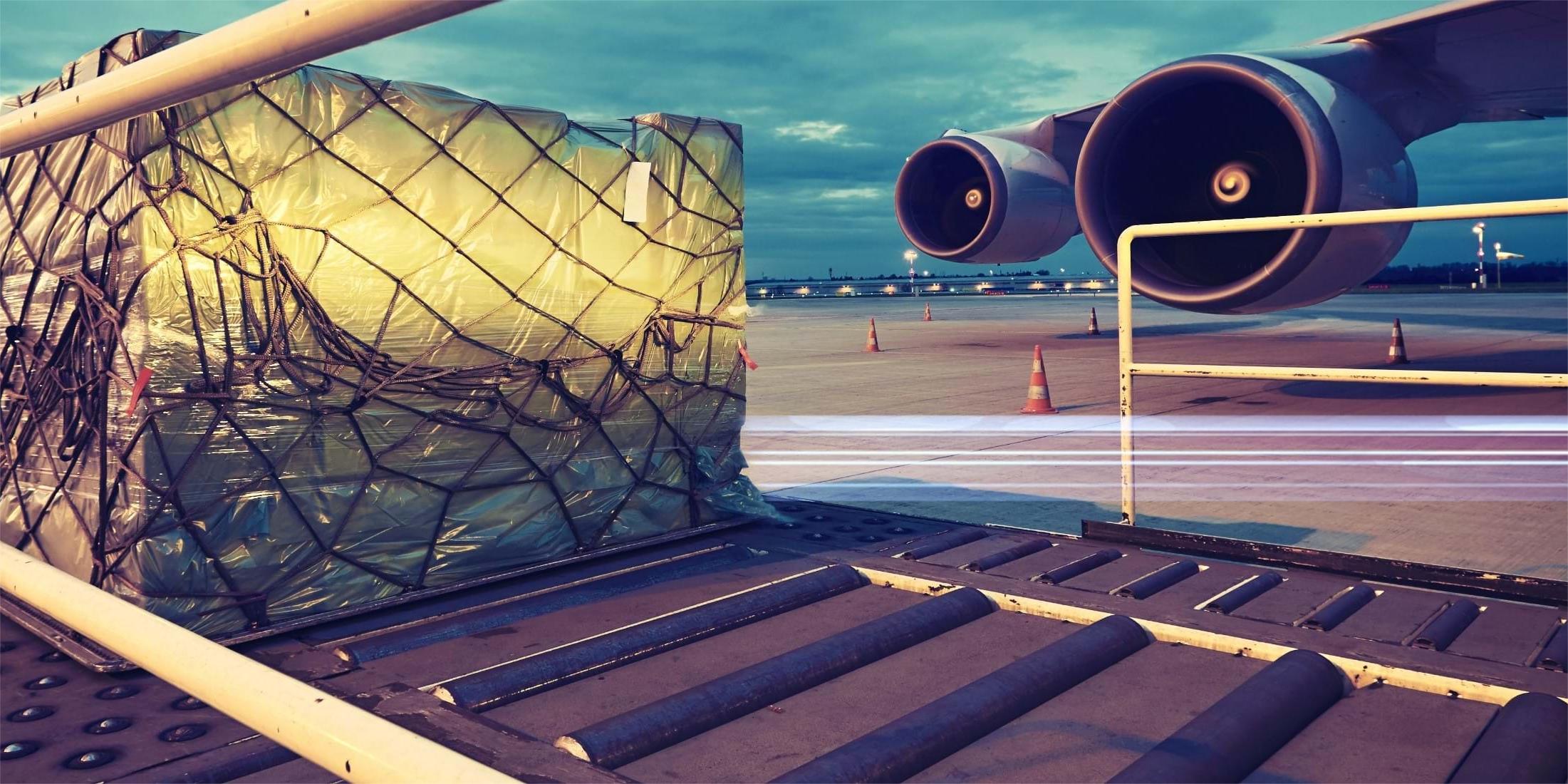
Choosing FCL provides several advantages for valuable machinery. It ensures greater security as your goods are not consolidated with other shipments. Moreover, it often results in faster transit times compared to Less than Container Load (LCL) options, which require additional sorting and deconsolidation processes.
Key Factors for the Best Route from China to Italy
❖Selecting the optimal shipping route involves evaluating several critical factors. These include port proximity, transit time, overall shipping costs, and the reliability of carriers. Each element plays a significant role in determining the efficiency and success of your machinery import.
Furthermore, understanding current market conditions and potential geopolitical impacts is essential. For instance, recent disruptions like those in the Red Sea can significantly alter preferred routes and impact delivery schedules to shipping to Europe.
| Shipping Component | Description | Impact on Cost | Considerations |
|---|---|---|---|
| Ocean Freight | Cost for container transport by sea | Largest component, highly variable | Carrier, route, season |
| Origin Charges | Terminal handling, documentation, local transport | Fixed or variable per container | Port efficiency, local services |
| Destination Charges | Port fees, customs, drayage, storage | Significant, depends on Italian port | Local regulations, delivery distance |
| Customs Duties & Taxes | Import tariffs and VAT | Can be substantial | HS code, trade agreements |
| Marine Insurance | Coverage against loss or damage | Small percentage of cargo value | Cargo type, value, risk tolerance |
Strategic Port Selection in China
China boasts numerous major ports, each offering distinct advantages. Shanghai, Ningbo, Shenzhen, and Qingdao are among the busiest, providing extensive global connections. Your choice of loading port should ideally be close to your machinery’s manufacturing location to minimize inland transportation costs.
Consider the port’s specific services and frequency of sailings to Italy. High-volume ports often provide more direct routes and competitive freight rates. This strategic decision can significantly impact your overall logistics trends and delivery schedule.
Major Ports of Discharge in Italy
Italy’s main commercial ports for containerized cargo include Genoa, Livorno, and Naples. These ports offer excellent infrastructure for handling heavy machinery and provide onward connections throughout Europe. Your destination port should be chosen based on its proximity to your final delivery point in Italy.
Evaluating the port’s capabilities for specialized cargo handling is also crucial. Some ports are better equipped for oversized or heavy-lift items, which can be a factor even for 20GP FCL shipments if specific equipment is needed for unloading.
Transit Time Considerations for Machinery
Typical sea transit times for a 20GP FCL from China to Italy range from 28 to 38 days, depending on the specific origin and destination ports and whether the route is direct or involves transshipment. Direct routes are generally faster but can sometimes be more expensive.
Seasonal variations and carrier schedules can also affect transit times. For example, peak shipping seasons, usually from August to October, might see slightly longer delays. Always confirm the estimated transit time with your freight forwarder to manage expectations.
Cost Components and Freight Rates
The total shipping cost for your 20GP FCL machinery shipment includes several components. These typically cover ocean freight, origin charges (like terminal handling and documentation), and destination charges (such as customs clearance, port fees, and drayage). Marine insurance is also a vital consideration.
Freight rates are dynamic, influenced by fuel costs, carrier capacity, and global demand. As of Q1 2025, rates from China to Europe have seen some stabilization after recent disruptions. However, it is always advisable to obtain a current quote for precise planning.
Navigating the 20GP FCL Best Route for Machinery from China to Italy
❖The most common routes for 20GP FCL machinery from China to Italy involve sailing through the Suez Canal. This historic waterway provides the most direct maritime link between Asia and Europe. While recent events have caused some rerouting, it remains the primary artery for this trade lane.
Direct services are preferred for their speed and simplicity, minimizing transshipment risks. However, some carriers may offer routes with transshipment via major hubs like Colombo, Singapore, or Port Said. These can sometimes be more cost-effective but typically add a few days to the transit time.
For optimal delivery schedule, selecting a carrier with a strong presence on the China-Italy route is beneficial. Their established networks and regular sailing schedules can provide greater reliability. Always inquire about their specific service options for heavy machinery.
How Does FCL Sea Freight Compare to Other Shipping Options?
❖While sea freight is often the most economical choice for 20GP FCL machinery, it is important to understand alternative shipping methods. Each option presents different trade-offs regarding speed, cost, and capacity. This comparison helps in making an informed decision for your specific import/export needs.
Considering various logistics trends and your supply chain requirements is vital. Sometimes, a faster but more expensive option might be justified by production deadlines or urgent market demand. Conversely, for non-urgent shipments, sea freight remains unrivaled in cost-effectiveness.
| Shipping Method | Cost Range (20GP Equivalent) | Transit Time (China to Italy) | Best For | Limitations |
|---|---|---|---|---|
| FCL Sea Freight | $1,800 – $3,500 | 28 – 38 days | Heavy, bulky machinery; cost-sensitive; large volumes | Slowest option; port-to-port focus |
| Rail Freight | $6,000 – $9,000 | 18 – 25 days | Mid-size machinery; faster than sea; inland destinations | Less flexible routes; limited terminal access |
| Air Freight | $15,000 – $30,000+ | 5 – 7 days | Urgent, high-value, small components | Very high cost; weight/volume restrictions; not viable for 20GP FCL |
Air Freight Alternatives for Urgent Shipments
Air freight offers significantly faster transit times, typically 5-7 days from China to Italy. This speed comes at a much higher cost, often 5-10 times that of sea freight for comparable volume. It is best suited for high-value, low-volume, or time-critical machinery components.
However, air freight has strict limitations on cargo size and weight. A 20GP container’s volume and weight would be extremely expensive, if not impossible, to ship by air. It is generally not a viable option for a full 20GP FCL of heavy machinery.
Rail Freight Solutions Across Eurasia
Rail freight from China to Europe has emerged as a popular middle-ground option. It offers a balance between speed and cost, with transit times to destinations like Milan often ranging from 18-25 days. This is faster than sea freight and considerably cheaper than air freight.
For machinery, rail freight provides a reliable and increasingly efficient alternative, particularly for destinations further inland in Europe. It also offers greater environmental benefits compared to air shipping. However, terminal access and onward distribution from rail hubs need careful planning.
LCL for Smaller Machinery Components
For shipments of machinery that do not fill a 20GP container, Less than Container Load (LCL) is an option. While it can be more cost-effective for smaller volumes, LCL involves consolidation with other cargo. This can lead to longer transit times due to additional handling at origin and destination ports.
LCL might be suitable for spare parts or smaller, less critical machinery. However, for complete industrial equipment requiring maximum security and minimal handling, 20GP FCL is generally the superior choice, despite the higher per-unit cost for smaller volumes.
Optimizing Your Machinery Shipment: Strategies and Trade-offs
❖Optimizing your 20GP FCL machinery shipment involves balancing various factors to achieve the best outcome. This often means making strategic trade-offs between speed, cost, and specific cargo handling requirements. A well-thought-out plan can significantly enhance your supply chain efficiency.
Proactive planning and clear communication with your freight forwarder are paramount. This collaboration ensures that all aspects of your shipment, from packaging to final delivery, are managed effectively. It also helps in anticipating and mitigating potential challenges.
Cost-Saving Approaches for 20GP FCL
To reduce shipping costs, consider booking well in advance, especially outside of peak seasons. Negotiating favorable freight rates with multiple carriers or freight forwarders can also yield savings. Furthermore, optimizing packaging to maximize container space avoids paying for unused volume.
Also, explore all-inclusive quotes to avoid hidden fees. Some providers offer competitive rates by bundling services, which can simplify budgeting. Understanding the full scope of charges, from origin to destination, is crucial for accurate cost estimation.
Speed vs. Budget: Making the Right Choice
The decision between speed and budget depends on your business priorities. If time is critical, rail freight or even a partial air shipment for crucial components might be justified. However, for most machinery imports, sea freight offers the best value for money.
Assess the opportunity cost of delays versus the savings from slower shipping. Sometimes, a slightly higher freight rate for a more direct route can prevent costly production downtime or missed sales opportunities. This strategic evaluation is key to effective import/export decisions.
Hybrid Shipping Solutions and Door-to-Door Service
For complex logistics, hybrid solutions combining different modes of transport can be effective. For example, using sea freight for the main leg and then rail or truck for inland distribution in Italy. This approach leverages the strengths of each mode.
Utilizing a comprehensive door-to-door service simplifies the entire process. A single provider manages all aspects, from pickup at the factory in China to final delivery in Italy. This reduces administrative burden and coordination efforts on your part, offering a seamless experience.
Essential Documentation and Customs Clearance for Italy
❖Successful machinery import into Italy hinges on meticulous documentation and efficient customs brokerage. Proper paperwork ensures smooth clearance, preventing delays and additional costs. Incorrect or incomplete documents are a common cause of customs issues.
Italy, as part of the European Union, adheres to EU customs regulations. This means specific standards for product safety, environmental compliance, and labeling must be met. Staying informed about these requirements is crucial for a compliant shipment.
| Document | Purpose | Importance | Notes |
|---|---|---|---|
| Commercial Invoice | Details of goods, value, seller/buyer | High | Basis for customs valuation and duties |
| Packing List | Details of contents, weight, dimensions | High | Assists customs in cargo verification |
| Bill of Lading (B/L) | Contract of carriage, title to goods | Critical | Required to claim cargo at destination port |
| Certificate of Origin | Proves country of manufacture | Medium-High | May qualify for preferential tariffs |
| CE Declaration of Conformity | Machinery safety compliance | Critical for EU | Mandatory for most machinery entering EU |
Key Documents Required for Import
You will typically need a commercial invoice, packing list, bill of lading (for sea freight), and a certificate of origin. Additionally, machinery often requires specific technical documentation, such as CE certification, to demonstrate compliance with EU safety standards.
Ensuring that all documentation is accurate and consistent across all forms is paramount. Discrepancies can lead to scrutiny from customs authorities and significant delays. Professional assistance from a customs broker is highly recommended to navigate these complexities.
Navigating Italian Customs Procedures
Upon arrival in Italy, your machinery will undergo customs inspection and clearance. This involves verifying documentation, assessing duties and taxes, and potentially physical examination. Having a reliable local agent or customs broker is invaluable for this stage.
Customs duties and VAT (Value Added Tax) will be levied based on the machinery’s classification (HS code) and its declared value. Understanding these costs beforehand helps in accurate budgeting and avoids surprises at the destination.

Real-World Case Studies: 20GP FCL Machinery Shipments
❖These case studies illustrate practical scenarios for shipping machinery via 20GP FCL from China to Italy. They highlight typical costs, transit times, and key considerations for successful logistics. Understanding these examples can help inform your own shipping decisions and expectations.
Based on Q3 2024 market rates, these examples provide a realistic snapshot of the challenges and efficiencies involved. Freight rates are subject to change based on fuel costs, carrier capacity, and seasonal demand. Contact us for a current quote tailored to your specific shipment.
Case Study 1: Heavy Industrial Equipment
| Detail | Description |
|---|---|
| Route | Shanghai, China -> Genoa, Italy |
| Cargo | CNC Machine, 18 CBM, 8,500 kg |
| Container | 20GP FCL |
| Shipping Details | |
| – Carrier/Service | COSCO (Direct Service) |
| – Port of Loading | Shanghai |
| – Port of Discharge | Genoa |
| – Route Type | Direct |
| Cost Breakdown | |
| – Ocean Freight | $2,100 |
| – Origin Charges (THC, documentation) | $350 |
| – Destination Charges | $480 |
| – Customs & Duties (estimated) | $750 |
| – Total Landed Cost | $3,680 |
| Timeline | |
| – Booking to Loading | 7 days |
| – Sea Transit | 30 days |
| – Customs Clearance | 3 days |
| – Total Door-to-Port | 40 days |
| Key Insight | Smooth direct service, but CE certification required careful preparation. |
Case Study 2: Manufacturing Line Components
| Detail | Description |
|---|---|
| Route | Ningbo, China -> Livorno, Italy |
| Cargo | Assembly line parts, 25 CBM, 10,200 kg |
| Container | 20GP FCL |
| Shipping Details | |
| – Carrier/Service | MSC (Transshipment via Port Said) |
| – Port of Loading | Ningbo |
| – Port of Discharge | Livorno |
| – Route Type | Transshipment via Port Said |
| Cost Breakdown | |
| – Ocean Freight | $1,950 |
| – Origin Charges (THC, documentation) | $320 |
| – Destination Charges | $450 |
| – Customs & Duties (estimated) | $900 |
| – Total Landed Cost | $3,620 |
| Timeline | |
| – Booking to Loading | 9 days |
| – Sea Transit | 35 days |
| – Customs Clearance | 4 days |
| – Total Door-to-Port | 48 days |
| Key Insight | Cost-effective via transshipment, but added few days to transit time. |
Case Study 3: Specialized Agricultural Machinery
| Detail | Description |
|---|---|
| Route | Qingdao, China -> Naples, Italy |
| Cargo | Small tractor units, 20 CBM, 7,000 kg |
| Container | 20GP FCL |
| Shipping Details | |
| – Carrier/Service | Maersk (Direct Service) |
| – Port of Loading | Qingdao |
| – Port of Discharge | Naples |
| – Route Type | Direct |
| Cost Breakdown | |
| – Ocean Freight | $2,250 |
| – Origin Charges (THC, documentation) | $380 |
| – Destination Charges | $520 |
| – Customs & Duties (estimated) | $800 |
| – Total Landed Cost | $3,950 |
| Timeline | |
| – Booking to Loading | 6 days |
| – Sea Transit | 32 days |
| – Customs Clearance | 3 days |
| – Total Door-to-Port | 41 days |
| Key Insight | Efficient direct service, but required specific agricultural import permits for Italy. |
Which Option Should You Choose for Your Machinery Import?
❖Deciding on the best shipping method depends heavily on your specific business requirements and the nature of your machinery. Consider your budget, urgency, and the characteristics of your cargo. Each factor guides you toward the most appropriate logistics solution.
This decision framework helps to clarify priorities and align them with available shipping options. Ultimately, the goal is to find a balance that supports your business objectives effectively and economically.
Budget Priority
If cost-effectiveness is your primary concern, 20GP FCL sea freight is almost always the recommended option. It provides the lowest per-unit cost for transporting heavy and bulky machinery. Plan well in advance to secure the best freight rates.
Consider optimizing container loading and choosing ports that minimize inland transport costs. This approach maximizes your budget efficiency while ensuring reliable delivery.
Speed Priority
When speed is paramount, particularly for critical production deadlines, rail freight is a strong contender. It offers a significant time advantage over sea freight without the exorbitant costs of air freight. Investigate rail hub connections to your final destination.
For extremely urgent, smaller components, air freight might be necessary, but it is rarely suitable for a full 20GP of machinery. Always weigh the additional cost against the value of faster delivery.
Cargo Type Considerations
For heavy, oversized, or sensitive machinery, FCL sea freight provides the best protection and handling. Your cargo remains undisturbed within its dedicated container, minimizing the risk of damage. Ensure proper crating and securing within the container.
Conversely, if you are shipping smaller, less critical parts, LCL might be considered, though FCL offers enhanced security. Always prioritize the safety and integrity of your valuable machinery.
Volume Thresholds for Switching Methods
For shipments nearing the capacity of a 20GP container, FCL is clearly the most economical choice. If your machinery volume is significantly less than 15 CBM, LCL might seem attractive, but FCL often provides better overall value due to reduced handling.
As your shipment volume increases, the cost benefits of FCL sea freight become increasingly apparent. For a full 20GP, FCL is almost always the most sensible and cost-efficient method for machinery. This strategy helps in managing cargo handling efficiently.
Finding Your Optimal 20GP FCL Best Route for Machinery from China to Italy
Securing the 20GP FCL best route for machinery from China to Italy requires a comprehensive understanding of various logistics factors. From strategic port selection to navigating customs and choosing between different modes of transport, each decision impacts your supply chain’s efficiency and cost.
By carefully considering transit times, freight rates, documentation requirements, and leveraging expert advice, you can optimize your machinery shipments. This ensures timely and secure delivery, ultimately supporting your business growth and operational needs.
Ready to streamline your logistics?
Ready to ship your machinery from China to Italy? Contact Top China Freight today for a personalized quote and expert guidance on the 20GP FCL best route for machinery from China to Italy. Our team is here to streamline your international shipping process.
Request Quote